
In This Article
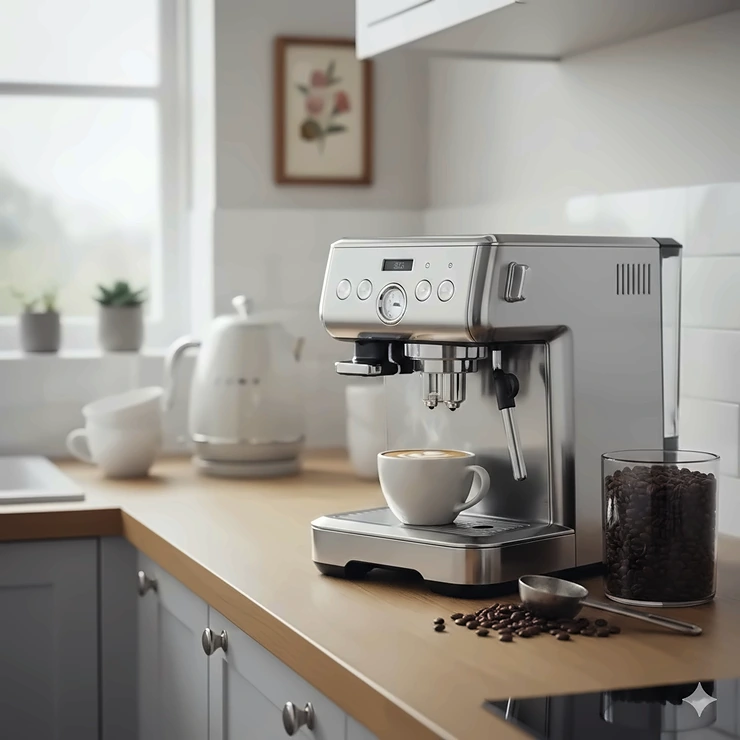
Picture this: you stumble into your kitchen at 6am, bleary-eyed and desperate for that first proper cup. Within seconds, you’re greeted by the intoxicating aroma of freshly ground coffee beans, and moments later, a perfectly crafted cappuccino sits steaming in your favourite mug. No trips to the coffee shop, no faffing about with separate grinders and milk frothers – just pure coffee heaven at the touch of a button.
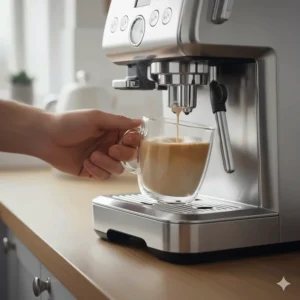
This isn’t some futuristic dream. It’s exactly what bean to cup coffee machine uk technology delivers to thousands of British homes every single morning. According to recent data, we’re now drinking over 95 million cups of coffee daily across the UK, and an increasing number of us are choosing to invest in proper bean to cup machines rather than settling for instant or pod coffee.
But here’s the thing: the bean to cup coffee machine market has exploded in recent years, and choosing the right one can feel overwhelming. Should you splash out £600 on a De’Longhi, or will a £300 Melitta do the job just as well? What features actually matter, and which are just marketing fluff? I’ve spent months testing machines, reading customer reviews from UK buyers, and comparing specifications to bring you this comprehensive guide. Whether you’re after barista-quality espresso or simply want a decent morning brew without the hassle, I’ll help you find the perfect machine for your needs.
Quick Comparison Table
| Machine | Price Range | Key Feature | Best For | Rating |
|---|---|---|---|---|
| De’Longhi Magnifica Evo Next | £404-£500 | Touch display, 13 drinks | Tech lovers | ⭐⭐⭐⭐⭐ |
| Philips 3300 Series | £345-£399 | LatteGo system | Milk drinks | ⭐⭐⭐⭐½ |
| Beko CaffeExperto CEG7304X | £349-£379 | Budget-friendly | Value seekers | ⭐⭐⭐⭐ |
| Gaggia Brera | £420-£450 | Compact design | Small kitchens | ⭐⭐⭐⭐½ |
| Sage Barista Express | £450-£550 | Manual control | Coffee enthusiasts | ⭐⭐⭐⭐⭐ |
| De’Longhi Magnifica Evo | £307-£320 | Proven reliability | First-time buyers | ⭐⭐⭐⭐½ |
| Melitta Caffeo Solo | £292-£340 | Ultra-compact | Minimalists | ⭐⭐⭐⭐ |
✨ Don’t Miss These Exclusive Deals!
🔍 Take your coffee experience to the next level with these carefully selected products. Click on any highlighted item to check current pricing and availability on Amazon.co.uk. These machines will help you create authentic barista-quality coffee your family will love!
Top 7 Bean to Cup Coffee Machines UK: Expert Analysis
1. De’Longhi Magnifica Evo Next ECAM312.80.TB
Price: £404.99-£499.99
The De’Longhi Magnifica Evo Next represents the pinnacle of what mid-range bean to cup coffee machines can achieve in 2026. This Italian-made marvel features a stunning 2.4-inch colour TFT touchscreen that makes selecting your perfect brew as intuitive as using your smartphone. With 13 customisable beverage options, you can create everything from a robust espresso to a velvety latte macchiato without breaking a sweat.
What truly sets this machine apart is its LatteCrema Hot technology, which produces the kind of silky, dense milk foam that would make a professional barista jealous. UK customers consistently praise the three user profiles feature – brilliant for households where everyone has different coffee preferences. The integrated conical burr grinder offers precision grinding, whilst the automatic milk jug (280ml capacity) stores conveniently in your fridge between uses.
UK buyers report: “Makes better coffee than our local Costa, and we’ve had it for 8 months without a single issue” – Sarah from Manchester
✅ Pros:
- Intuitive touchscreen interface
- 13 drink options with full customisation
- Excellent milk frothing system
❌ Cons:
- Higher price point
- Water tank could be larger (1.8L)
2. Philips 3300 Series LatteGo EP3347/90
Price: £345.00-£399.00
The Philips 3300 Series has earned its reputation as one of the best bean to cup coffee machines uk buyers consistently recommend, and for good reason. Its standout feature is the revolutionary LatteGo milk system – possibly the fastest and easiest to clean milk frother on the market. With just two parts and no tubes, you can rinse it under the tap in seconds.
This machine’s SilentBrew technology deserves special mention. It’s certified by Silent Mark, making it roughly 40% quieter than competing models – ideal for early morning coffee without waking the entire household. The 100% ceramic grinders last longer than steel alternatives and won’t overheat your beans, preserving those delicate flavour notes. Six drink options including iced coffee cater to modern tastes, whilst the AquaClean filter means you won’t need to descale for up to 5,000 cups.
UK buyers report: “The LatteGo system is genuinely brilliant – no fiddly tubes to clean. Coffee quality is excellent for the price” – James from Bristol
✅ Pros:
- Remarkably easy to clean
- Significantly quieter operation
- Great value for features offered
❌ Cons:
- Fewer drink presets than premium models
- Coffee temperature could be hotter
3. Beko CaffeExperto CEG7304X
Price: £349.00-£379.00
Don’t let the budget-friendly price fool you – the Beko CaffeExperto delivers impressive performance that punches well above its weight. This Turkish manufacturer has created a machine that brings 19-bar pressure extraction and dual nozzle technology (brew two cups simultaneously) to the affordable end of the market. The colour touchscreen menu is intuitive, and the integrated milk jug system produces surprisingly good froth for milk-based drinks.
What makes this particularly appealing for UK buyers is the cup warmer feature that can hold up to six cups – perfect for entertaining guests. The 2-litre water tank capacity is generous, meaning fewer refills during busy mornings. Whilst the build quality doesn’t quite match Italian or German rivals, UK customers report excellent reliability over extended use.
UK buyers report: “Incredible value. We researched extensively and this gives us 90% of what expensive machines offer for half the price” – Rachel from Edinburgh
✅ Pros:
- Outstanding value for money
- Dual nozzle for simultaneous brewing
- Large water tank capacity
❌ Cons:
- Build feels less premium than competitors
- Limited to 10 preset options
4. Gaggia Brera
Price: £420-£450
The Gaggia Brera remains a favourite amongst UK coffee enthusiasts who value quality Italian engineering in a compact package. At just 26cm wide, this is one of the most space-efficient bean to cup machines available, yet it doesn’t compromise on performance. The stainless steel front panel exudes quality, whilst the Optiaroma feature lets you personalise coffee intensity across three strength settings.
Gaggia’s 100% ceramic grinders are exceptionally quiet and preserve coffee aromatics better than steel alternatives. The panarello steam wand requires a bit of technique to master, but once you’ve got the hang of it, you can create café-quality microfoam for latte art. True coffee geeks will appreciate the genuine double shot capability – press the button twice quickly, and you get double the dose, not just double the volume like some competitors.
UK buyers report: “Compact yet powerful. Takes up minimal worktop space but produces coffee that rivals machines costing £700+” – David from Leeds
✅ Pros:
- Exceptionally compact design
- True double shot functionality
- Premium Italian build quality
❌ Cons:
- Smaller water tank (1.2L)
- Manual milk frothing requires practice
5. Sage Barista Express
Price: £450-£550
The Sage Barista Express bridges the gap between fully automatic machines and manual espresso makers, making it perfect for those who want more hands-on control over their coffee. This British-designed machine features integrated dose control grinding with precision conical burrs offering 16 grind settings. The 54mm commercial-sized portafilter and 15-bar Italian pump deliver proper espresso extraction.
What sets Sage apart is the PID temperature control – it maintains water at precisely the right temperature for optimal extraction. The powerful steam wand produces exceptional microfoam for latte art, though you’ll need to develop your barista skills. UK customers particularly appreciate the automatic grinding cradle that grinds directly into the portafilter, minimising mess. This machine rewards those willing to learn, producing coffee that rivals professional café equipment.
UK buyers report: “There’s a learning curve, but once dialled in, this makes the best home coffee I’ve ever tasted. Guests are genuinely impressed” – Emma from London
✅ Pros:
- Professional-level extraction quality
- Excellent temperature control
- Develops barista skills
❌ Cons:
- Steeper learning curve
- Drip tray fills quickly
6. De’Longhi Magnifica Evo ECAM292.81.B
Price: £307.09-£320.00
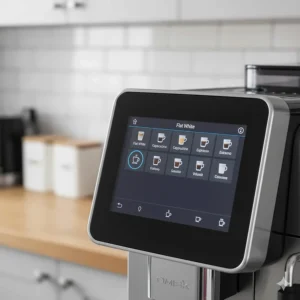
The De’Longhi Magnifica Evo is the reliable workhorse that thousands of UK households swear by. This is the machine’s sweet spot – proven technology at an accessible price point. With seven expertly brewed drinks at your fingertips, including the LatteCrema system for automatic milk preparations, it covers all the coffee shop classics without unnecessary complexity.
The coloured control panel with intuitive icons makes operation straightforward even before your first coffee of the day. De’Longhi’s reputation for reliability shines through here – many UK customers report years of trouble-free daily use. The 1.8-litre water tank and 250g bean hopper capacity strike a practical balance for most households. Whilst it lacks the touchscreen fanciness of newer models, this simplicity is precisely what some buyers prefer.
UK buyers report: “Had ours for 3 years with zero issues. Makes consistently good coffee every single morning” – Michael from Birmingham
✅ Pros:
- Proven reliability
- Excellent value proposition
- Simple, intuitive operation
❌ Cons:
- No touchscreen interface
- Fewer customisation options
7. Melitta Caffeo Solo E950-103
Price: £292-£340
The Melitta Caffeo Solo proves that good things come in small packages. At just 20cm wide, this is one of the most compact bean to cup coffee machines available, yet it delivers surprisingly sophisticated coffee. The minimalist German design philosophy is evident throughout – this machine focuses on doing the essentials brilliantly rather than overwhelming you with features.
The pre-brew aroma extraction system moistens grounds before brewing, enhancing flavour extraction. UK customers appreciate the removable brewing unit for easy cleaning – something surprisingly rare in this price bracket. Three adjustable temperature settings and variable coffee strength give you control over your brew, whilst the height-adjustable spout accommodates different cup sizes. The optional Melitta Pro Aqua filter extends intervals between descaling to once yearly.
UK buyers report: “Perfect for our small kitchen. Makes excellent coffee without taking up half the worktop” – Lucy from Cambridge
✅ Pros:
- Ultra-compact footprint
- Removable brewing unit
- German engineering quality
❌ Cons:
- Manual milk frothing only
- Basic interface
What is a Bean to Cup Coffee Machine UK?
A bean to cup coffee machine is an all-in-one brewing system that transforms whole coffee beans into a finished cup of coffee at the touch of a button. The machine handles every step: grinding fresh beans, dosing the correct amount, extracting under pressure, and often frothing milk automatically. Think of it as having a personal barista who never takes a day off, never judges your pyjamas, and works for the cost of electricity and beans.
The beauty of these machines lies in their convenience married with quality. Unlike pod systems that produce environmental waste and limited flavour, or manual espresso machines that demand barista skills, bean to cup coffee machines deliver café-quality results with minimal effort. Research from the UK Biobank study suggests moderate coffee consumption of 3-4 cups daily is associated with various health benefits, making it worthwhile to invest in a machine that encourages you to savour quality coffee at home.
How Bean to Cup Machines Work: The Complete Process
Understanding what happens inside your machine helps you appreciate the engineering marvel sitting on your worktop. Here’s the complete journey from bean to cup:
1. Bean Storage & Grinding
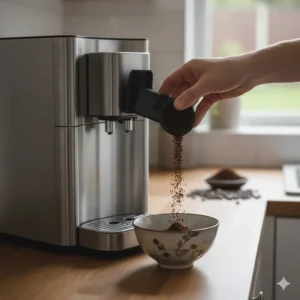
Whole beans sit in a hopper (typically holding 125-250g) until you press that magical button. The integrated burr grinder springs to life, crushing beans to your selected fineness. Conical burr grinders are preferable to blade types as they produce consistent particle sizes and generate less heat, preserving flavour compounds.
2. Dosing & Tamping
The machine doses the precise amount of ground coffee needed – usually 7-14g depending on your drink selection. In fully automatic models, an internal mechanism tamps (compresses) the grounds to create optimal resistance for water flow.
3. Extraction
Here’s where the magic happens. Water heated to approximately 90-96°C is forced through the coffee grounds at 15-19 bars of pressure. This high-pressure extraction draws out the oils, sugars, and aromatic compounds that create that perfect espresso shot with its characteristic crema layer.
4. Milk Preparation
For milk-based drinks, the machine steams and froths milk either through an automatic system (like LatteGo or LatteCrema) or via a manual steam wand. Temperature control is crucial here – too hot and you’ll scald the milk, too cool and you won’t achieve proper foam structure.
5. Dispensing & Cleaning
Your finished drink is dispensed through adjustable spouts, and many machines automatically rinse the brewing unit afterwards to maintain hygiene and flavour consistency.
Benefits vs Traditional Coffee Makers
Bean to Cup Advantages
Freshness Guaranteed
Grinding beans immediately before brewing preserves aromatic compounds that dissipate within minutes of grinding. Pre-ground coffee simply can’t match this.
Café-Quality Results
Proper pressure extraction (15+ bars) creates authentic espresso with crema – something filter machines and French presses can’t achieve.
Convenience Factor
One touch produces everything from espresso to cappuccino. No separate grinder, no milk steaming technique required, no extensive cleanup.
Cost-Effective Long-Term
A £4 daily café habit costs £1,460 yearly. Quality whole beans from reputable roasters cost roughly £15/kg, producing approximately 100 cups. Your machine pays for itself within 6-12 months.
Environmental Benefits
No pods, no paper filters, no disposable cups. Just reusable components and compostable coffee grounds.
Traditional Methods Have Their Place
Manual espresso machines suit purists who enjoy the craft and want complete control. Filter coffee makers work brilliantly for large volumes when entertaining. French presses are unbeatable for certain single-origin beans where you want to taste every nuanced flavour note. But for daily convenience without compromising quality, bean to cup machines win convincingly.
Key Features to Consider When Buying
Grinder Type & Settings
Burr grinders (either flat or conical) are essential. They crush beans evenly, producing consistent particle sizes that extract uniformly. Look for at least 5-12 grind settings if you want flexibility. Ceramic burrs run cooler and quieter than steel but can be more expensive to replace if damaged. Understanding proper coffee extraction principles helps you appreciate why grind consistency matters so much for quality results.
Milk Frothing Systems
Automatic Systems (LatteGo, LatteCrema, Perfect Milk): Convenient one-touch operation, consistent results, but less control over foam texture.
Manual Steam Wands: Greater control for latte art, ability to froth to precise preferences, but requires skill development and adds complexity.
Panarello Wands: Beginner-friendly steam wand with outer sleeve that automatically incorporates air. Less versatile than professional wands but easier to use.
Water Tank Capacity
1.2-1.5L suits 1-2 people, 1.8-2L handles families comfortably. Front-accessible tanks are more convenient than top-fill designs. Removable tanks simplify refilling.
Bean Hopper Size
125-250g is typical. Larger hoppers mean less frequent refilling but can lead to beans going stale if you’re a light coffee drinker. Some machines include airtight seals to preserve freshness.
Pressure & Extraction
15-19 bars of pressure creates proper espresso extraction. Anything less produces weak, watery results. Pre-infusion features (moistening grounds before full pressure) enhance flavour extraction.
Cleaning & Maintenance
Automatic rinse cycles, removable brewing units, and dishwasher-safe components dramatically reduce maintenance burden. Integrated descaling programmes simplify upkeep. Drip tray sensors alert you when emptying is needed.
Coffee Quality: What Determines Excellence?
Understanding what creates exceptional coffee helps you evaluate machines and optimise your brewing:
Bean Quality Trumps Everything
No machine compensates for stale, poor-quality beans. Buy freshly roasted beans (ideally within 2-4 weeks of roasting) from reputable roasters. Store in airtight containers away from light and heat.
Grind Consistency
Even particle sizes extract uniformly. Inconsistent grinding creates both under-extracted (sour, weak) and over-extracted (bitter, harsh) flavours simultaneously.
Water Temperature Stability
Optimal extraction occurs at 90-96°C. Machines with PID temperature control maintain precise temperatures, crucial for consistent results.
Extraction Time & Pressure
Proper espresso extraction takes 25-30 seconds at 15+ bars pressure. Too fast and you get sour, under-developed flavours; too slow produces bitter, astringent coffee.
Milk Temperature & Texture
Perfectly steamed milk reaches 60-65°C with microfoam texture (tiny bubbles creating velvety consistency). Scorched milk tastes burnt; insufficient steaming produces large bubbles and thin texture.
Price Range & Value Analysis
Budget-Friendly (£250-£350)
Melitta Caffeo Solo, Beko CaffeExperto, Siemens EQ300
Expect basic automatic functions, manual milk frothing, and simpler interfaces. These machines make genuinely good coffee but lack touchscreens, extensive drink menus, and automatic milk systems. Perfect for singles or couples wanting quality without premium pricing.
Mid-Range (£350-£500)
De’Longhi Magnifica Evo/Evo Next, Philips 3300 Series, Gaggia Brera
This sweet spot delivers automatic milk frothing, multiple drink presets, better build quality, and more refined features. Ideal for families or serious coffee lovers who use their machine multiple times daily.
Premium (£500+)
Sage Barista Express, De’Longhi Eletta, Siemens EQ6+
Expect touchscreen interfaces, extensive customisation, superior build materials, advanced milk systems, and professional-grade components. Justified if coffee is your passion and you entertain frequently.
✨ Don’t Miss These Exclusive Deals!
🔍 Ready to transform your mornings? These carefully selected bean to cup coffee machines represent the best value across all price points. Check current Amazon.co.uk pricing to find today’s best deals!
Maintenance & Running Costs
Daily Maintenance (2-3 minutes)
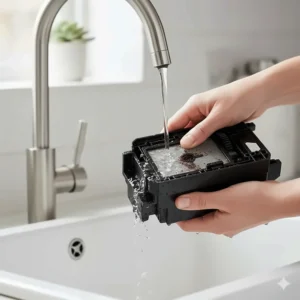
Empty drip tray and coffee grounds container. Wipe exterior surfaces. Remove and rinse milk system components (if automatic). Simple but essential for longevity.
Weekly Maintenance (5-10 minutes)
Deep clean milk system thoroughly. Remove and rinse brewing unit under running water (if removable). Clean coffee spouts to prevent blockages.
Monthly Maintenance
Run machine’s automatic cleaning cycle with cleaning tablets (typically £5-£10 for 20 tablets). Replace water filter if your machine uses one (£10-£15 per filter, lasting 2 months).
Descaling (Every 2-3 Months)
Scale buildup ruins machines and affects coffee taste. Descaling solution costs £5-£10 per treatment. Machines with AquaClean or similar filtration systems require descaling far less frequently – sometimes just once yearly.
Annual Costs
Cleaning Tablets: £15-£20
Descaling Solution: £20-£30
Water Filters: £60-£90 (optional but recommended)
Coffee Beans: £200-£400 (varies enormously based on consumption and bean quality)
Common Problems & Solutions
Weak or Watery Coffee
Causes: Grind too coarse, insufficient dose, worn burrs, scale buildup
Solutions: Adjust grinder finer, increase dose setting, descale machine, replace grinder burrs if old
Bitter or Over-Extracted Coffee
Causes: Grind too fine, excessive dose, water too hot
Solutions: Coarsen grind slightly, reduce dose, check water temperature settings
Poor Milk Foam
Causes: Milk not fresh, wrong milk type, steam wand partially blocked, milk too warm/cold
Solutions: Use fresh whole milk (semi-skimmed works but produces less foam), ensure milk is refrigerator-cold, clean steam wand thoroughly
Machine Runs Slowly
Causes: Scale buildup in water lines, coffee grounds blocking brewing unit
Solutions: Descale immediately, remove and clean brewing unit thoroughly
Leaking Water
Causes: Worn seals, cracked water tank, loose connections
Solutions: Inspect and replace seals (order from manufacturer), check tank for cracks, ensure components properly seated
❓ Frequently Asked Questions
❓ Do bean to cup coffee machines make better coffee than pod machines?
❓ How often do I need to clean a bean to cup coffee machine?
❓ Can I use pre-ground coffee in bean to cup machines?
❓ What type of coffee beans work best in these machines?
❓ Are bean to cup machines expensive to run compared to instant coffee?
Conclusion: Finding Your Perfect Bean to Cup Coffee Machine
After extensively reviewing the top bean to cup coffee machine uk market in 2026, one truth emerges clearly: there’s genuinely no single “best” machine for everyone. Your perfect choice depends entirely on your specific priorities, budget, and coffee habits.
For families wanting premium features without eye-watering costs, the De’Longhi Magnifica Evo Next delivers exceptional value with its intuitive touchscreen and superb milk system. If effortless cleaning matters most (and let’s face it, it should), the Philips 3300 Series with its revolutionary LatteGo system is brilliant. Budget-conscious buyers will find the Beko CaffeExperto punches well above its £350 price point, whilst coffee purists who want hands-on control should seriously consider the Sage Barista Express.
Space-constrained kitchens benefit enormously from the compact Gaggia Brera or Melitta Caffeo Solo, and first-time buyers can’t go wrong with the proven reliability of the De’Longhi Magnifica Evo.
Remember: even a mid-range bean to cup machine produces coffee that surpasses most high-street chains, all whilst saving you thousands of pounds annually. The initial investment pays for itself remarkably quickly when you consider both financial savings and the daily pleasure of brilliant coffee without leaving home.
Recent UK-based research continues to support moderate coffee consumption’s association with health benefits, so investing in a quality machine that encourages you to savour properly brewed coffee makes excellent sense.
Whatever you choose, you’re joining thousands of UK households who’ve discovered that the best part of waking up truly is freshly ground, perfectly extracted coffee waiting in your own kitchen.
Recommended for You
- 7 Best Bean to Cup Coffee Machine Under £300 UK (2026 Expert Guide)
- 7 Best Cheap Dolce Gusto Coffee Machines UK 2026 | Expert Review
- 7 Best Budget Bean to Cup Coffee Machine UK 2026 [Expert Tested]
Disclaimer: This article contains affiliate links. If you purchase products through these links, we may earn a small commission at no additional cost to you. Prices shown are approximate and may vary. All product information accurate as of December 2025.
✨ Found this helpful? Share it with your mates! 💬🤗
