
In This Article
There’s something rather lovely about the ritual of brewing coffee in a cafetiere, isn’t there? The gentle press of the plunger, the rich aroma filling your kitchen, and that first sip of full-bodied coffee – it’s a morning tradition that millions of Brits cherish. Yet with dozens of cafetieres flooding the market, choosing the right one can feel overwhelming. Should you opt for classic glass or go for modern stainless steel? Is a 3-cup model sufficient for your needs, or do you require something larger?
This cafetiere buying guide cuts through the confusion and presents you with expert analysis on the best models available on Amazon.co.uk in 2026. I’ve researched real products, compared specifications, analysed customer feedback from UK buyers, and considered everything from heat retention to durability. Whether you’re replacing a broken cafetiere or investing in your first French press, the device known in Britain as a cafetière traces its history back to 1852 when two Frenchmen patented an early version, and today’s models offer remarkable improvements whilst maintaining that timeless simplicity.
From budget-friendly options starting around £15 to premium stainless steel models exceeding £40, we’ll explore how to choose a french press that matches your lifestyle, budget, and coffee preferences.
Quick Comparison Table
| Model | Material | Capacity | Price Range | Best For | Rating |
|---|---|---|---|---|---|
| Bodum Chambord | Glass/Steel | 350ml-1.5L | £14.65-£39.95 | Classic design lovers | ⭐⭐⭐⭐⭐ |
| Coffee Gator | Stainless Steel | 1L | £40.99-£51.26 | Heat retention | ⭐⭐⭐⭐⭐ |
| La Cafetière Pisa | Glass/Steel/Wood | 350ml-1L | £18-£28 | Style conscious | ⭐⭐⭐⭐½ |
| KICHLY Stainless | Stainless Steel | 350ml-1L | £16-£24 | Budget-friendly | ⭐⭐⭐⭐ |
| Bodum Kenya | Glass/Steel | 1L | £18-£25 | Everyday use | ⭐⭐⭐⭐ |
| Bodum Caffettiera | Glass/Steel | 1L | £19-£23 | Minimalist design | ⭐⭐⭐⭐ |
| KICHLY Glass | Glass/Steel | 1L | £15-£19 | Entry-level | ⭐⭐⭐½ |
💬 Just one click – help others make better buying decisions too!😊
Top 7 Cafetieres: Expert Analysis
1. Bodum Chambord – The Iconic Original
The Bodum Chambord remains the gold standard against which all other cafetieres are measured. Made in Portugal, this timeless design features heat-resistant borosilicate glass, a chrome-plated stainless steel frame, and that unmistakable domed lid. The modern French press design we recognise today was perfected by Faliero Bondanini in 1958 and became known as the Chambord, and Bodum has preserved its classic elegance whilst ensuring consistent quality.
Key Specifications:
- Capacity options: 350ml (3-cup), 500ml (4-cup), 1L (8-cup), 1.5L (12-cup)
- Heat-resistant borosilicate glass carafe
- Dishwasher-safe components
UK Customer Feedback: British buyers consistently praise the Chambord’s reliability and aesthetic appeal. One reviewer mentioned using their Bodum daily for five years before accidentally cracking it, whilst another noted it makes two large mugs perfectly. The fine mesh filter receives particular acclaim for producing coffee without excessive grounds.
✅ Pros:
- Timeless Scandinavian design
- Excellent build quality and durability
- Easy to find replacement parts
- Available in multiple sizes
❌ Cons:
- Glass can crack if dropped
- Requires careful handling when washing up
Price Range: £14.65-£39.95 depending on size Best For: Coffee enthusiasts who appreciate classic design and don’t mind treating their cafetiere with care
2. Coffee Gator – Premium Heat Retention Champion
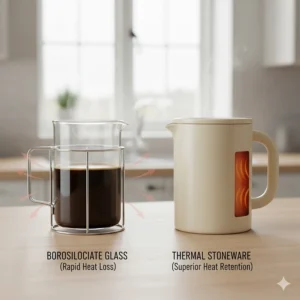
If you’re tired of lukewarm coffee, the Coffee Gator double-walled stainless steel cafetiere solves that problem brilliantly. This American brand has gained a devoted following in the UK for producing cafetieres that keep coffee hot for 60 minutes longer than traditional glass models. Constructed from 304-grade stainless steel, it’s built like a tank and comes with a bonus mini storage canister.
Key Specifications:
- 1L capacity (4-8 cups)
- Double-walled vacuum insulation
- 4-level filtration system
- Includes mini coffee canister
UK Customer Feedback: Reviewers love the Coffee Gator’s durability and heat retention. One UK buyer mentioned it survived camping trips and keeps coffee “properly hot” throughout breakfast. However, some note the grey coating can show wear after extended use, though the stainless steel version avoids this issue entirely.
✅ Pros:
- Exceptional heat retention (60+ minutes)
- Virtually indestructible construction
- Smooth, grit-free filtering
- Cool-touch handle prevents burns
❌ Cons:
- Higher price point
- Heavier than glass alternatives
Price Range: £40.99-£51.26 Best For: Those who prioritise temperature retention and durability, or anyone prone to breaking glass cafetieres
3. La Cafetière Pisa – Italian-Inspired Elegance
The La Cafetière Pisa strikes a beautiful balance between form and function. Inspired by Italy’s culturally rich city, this cafetiere features a sleek stainless steel frame, borosilicate glass jug, and a comfortable beechwood handle that adds warmth to its modern aesthetic. Available in multiple colours including green, pink, navy, and latte, it’s perfect for those who want their cafetiere to complement their kitchen décor.
Key Specifications:
- Capacity options: 350ml (3-cup) or 1L (8-cup)
- Natural beechwood handle
- Micro-fine mesh filter
- Comes gift-boxed with spare filter
UK Customer Feedback: British customers appreciate the Pisa’s stylish appearance and reasonable pricing. The wood handle receives particular praise for keeping hands safe from heat. Some reviewers note the metal sleeve provides decent protection for the glass, though heavy-handed users might prefer an all-metal version. The 3-cup model realistically makes one generous mug rather than three small cups.
✅ Pros:
- Eye-catching design in multiple colours
- Comfortable, heat-safe wooden handle
- Comes with 1-year guarantee
- Excellent value for money
❌ Cons:
- Wood handle requires hand washing
- Glass insert still vulnerable to damage
Price Range: £18-£28 Best For: Design-conscious coffee lovers who want style without sacrificing quality
4. KICHLY Stainless Steel – Best Budget Double-Wall Option
Don’t let the affordable price fool you – the KICHLY Stainless Steel cafetiere punches well above its weight. This double-walled wonder provides excellent insulation at a fraction of the cost of premium brands. It’s become one of Amazon UK’s bestsellers for good reason: solid construction, effective filtering, and genuine heat retention that rivals pricier competitors.
Key Specifications:
- Capacity options: 350ml, 600ml, or 1L
- Double-wall stainless steel construction
- 3-layer filtration system
- Includes spare mesh filter
UK Customer Feedback: UK buyers consistently describe the KICHLY as “excellent quality for the price.” Reviewers mention it keeps coffee hot for hours and survives daily use without issues. The main complaint? The sticky label is difficult to remove, though once off, the cafetiere looks lovely and shiny. Some find it slightly hot to touch externally, though this actually indicates good heat retention.
✅ Pros:
- Outstanding value for money
- Robust and travel-friendly
- Dishwasher safe
- Smooth, easy plunging
❌ Cons:
- Handle can be slippery when wet
- Fingerprints show on polished finish
Price Range: £16-£24 Best For: Budget-conscious buyers wanting stainless steel durability without the premium price tag
5. Bodum Kenya – Reliable Everyday Workhorse
The Bodum Kenya offers Bodum’s renowned quality at a more accessible price point than the Chambord. With a simpler, more utilitarian design featuring a black ABS plastic handle and lid, it prioritises function over flair. Made in Portugal like its fancier sibling, it delivers the same excellent coffee without the premium price tag.
Key Specifications:
- 1L capacity (8-cup)
- Heat-resistant borosilicate glass
- BPA-free plastic components
- Dishwasher-safe cafetiere
UK Customer Feedback: British buyers appreciate the Kenya’s straightforward design and reliability. One long-term user mentioned their previous one lasted five years of daily use before cracking. The filter creates minimal sediment, and it consistently brews two to three large mugs. Some customers have switched from Nespresso machines after discovering how smooth and rich cafetiere coffee can be.
✅ Pros:
- More affordable than Chambord
- Proven Bodum reliability
- Easy to clean and maintain
- Straightforward, no-nonsense design
❌ Cons:
- Less aesthetically striking than Chambord
- Plastic handle less premium-feeling
Price Range: £18-£25 Best For: Daily coffee drinkers wanting proven Bodum quality without paying for fancy design elements
6. Bodum Caffettiera – Minimalist Black Beauty
For those who prefer darker aesthetics, the Bodum Caffettiera delivers the company’s quality in a sleek black finish. This contemporary take on the classic design features a durable glass carafe with black plastic accents and a stainless steel plunger. It’s essentially the Kenya’s stylish cousin, offering the same functionality with a more modern appearance.
Key Specifications:
- 1L capacity (8-cup)
- Heat-resistant glass with black accents
- Stainless steel filter system
- BPA-free materials
UK Customer Feedback: UK reviewers love the Caffettiera’s appearance and performance. One buyer mentioned preferring it over their old glass model for its contemporary look whilst maintaining easy cleaning. The tight filter seal receives praise for keeping coffee grounds where they belong – at the bottom of the jug rather than in your cup.
✅ Pros:
- Modern, sophisticated appearance
- Excellent filtering performance
- Reliable Bodum construction
- Affordable alternative to Chambord
❌ Cons:
- Glass carafe still requires care
- Black plastic may show wear over time
Price Range: £19-£23 Best For: Those wanting a contemporary look with proven performance
7. KICHLY Glass – Best Entry-Level Option
If you’re new to cafetiere coffee or want a basic model for occasional use, the KICHLY Glass cafetiere provides everything you need without unnecessary frills. This traditional glass and steel design offers reliable brewing at the lowest price point on our list, making it perfect for students, first-time buyers, or as a backup cafetiere.
Key Specifications:
- 1L capacity (8-cup)
- Heat-resistant borosilicate glass
- 4-layer filtration system
- Stainless steel plunger and frame
UK Customer Feedback: British customers appreciate the KICHLY Glass’s simplicity and effectiveness. Reviewers mention it’s perfect for beginners, though some note it realistically makes two large coffees rather than eight small cups. The glass allows you to watch the brewing process, which appeals to visual learners. It’s easy to clean and serves as an excellent introduction to proper coffee.
✅ Pros:
- Most affordable option
- Simple, foolproof operation
- Good quality for the price
- Dishwasher safe
❌ Cons:
- Basic design without premium features
- Glass requires careful handling
Price Range: £15-£19 Best For: Beginners, students, or anyone wanting an affordable introduction to cafetiere coffee
✨ Don’t Miss These Exclusive Deals!
🔍 Take your coffee experience to the next level with these carefully selected products. Click on any highlighted item to check current pricing and availability on Amazon.co.uk. These tools will help you create authentic barista-quality coffee your family will love!
Understanding Cafetiere Materials: Glass vs Stainless Steel
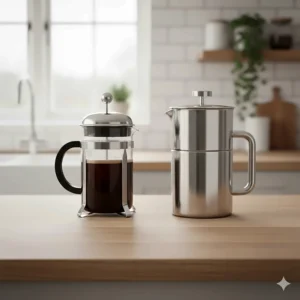
When embarking on your cafetiere buying journey, the glass vs stainless steel cafetiere debate inevitably arises. Each material offers distinct advantages, and understanding these differences helps you make an informed decision.
Glass Cafetieres: Tradition Meets Transparency
Glass cafetieres, typically made from borosilicate glass, represent the traditional choice. The classic French press design features a narrow cylindrical glass beaker with a metal lid and plunger, allowing you to watch the brewing process unfold. This visual element appeals to coffee enthusiasts who enjoy the ceremony of preparation.
Advantages of Glass:
- Visual brewing experience lets you monitor colour and progress
- Doesn’t retain flavours between brews
- Generally more affordable than stainless steel alternatives
- Easy to assess cleanliness at a glance
- Lighter weight for portability
Considerations:
- Requires careful handling to prevent breakage
- Heat dissipates more quickly (coffee cools faster)
- May crack with thermal shock if not borosilicate grade
- Needs proper storage to prevent accidents
British buyers typically favour glass cafetieres for home use where careful handling isn’t an issue. The ability to see your coffee brewing and the classic aesthetic appeal make glass models perennial favourites.
Stainless Steel Cafetieres: Modern Durability
Stainless steel cafetieres, particularly double-walled versions, have gained significant popularity in the UK market over recent years. These models prioritise durability and heat retention, addressing the two main concerns with traditional glass designs.
Advantages of Stainless Steel:
- Virtually indestructible – perfect for busy households
- Superior heat retention (coffee stays hot 60+ minutes longer)
- Travel-friendly and safe for outdoor use
- Cool-touch exterior prevents accidental burns
- Professional appearance suits modern kitchens
Considerations:
- Higher initial investment (typically £30-50)
- Cannot visually monitor brewing process
- Heavier than glass alternatives
- May retain flavours if not cleaned thoroughly
- Fingerprints visible on polished finishes
For UK households with children, those prone to accidents, or anyone wanting coffee to stay hot throughout a leisurely breakfast, stainless steel represents the superior choice despite the higher price.
The Best Size Cafetiere to Buy
Understanding cafetiere capacity is crucial for satisfaction with your purchase. Manufacturers use “cup” measurements, but these rarely align with actual British mug sizes. Here’s the reality behind those numbers:
3-Cup (350ml): Realistically makes one generous mug or two small coffee cups. Perfect for solo coffee drinkers or couples where only one person drinks coffee. Ideal for small kitchens with limited storage.
4-Cup (500ml): Produces approximately 1-2 proper mugs depending on size. Suits individuals who enjoy multiple cups or couples who share. Strikes a nice balance between compact size and practical capacity.
8-Cup (1L): The most popular size in UK households. Makes 2-3 large mugs or serves 3-4 people with smaller cups. Excellent for families or anyone who entertains regularly. Large enough for variety whilst remaining manageable.
12-Cup (1.5L): Produces 3-4 generous mugs or serves larger gatherings. Best for big families or frequent entertainers. Consider whether you’ll consistently use this capacity – larger cafetieres take up more cupboard space and require more coffee grounds.
UK buyers typically find the 1L (8-cup) option provides the sweet spot between capacity and practicality. It’s substantial enough for breakfast for two without being unwieldy, and you can always brew smaller quantities when needed.
Essential French Press Selection Tips
Filter Quality Matters More Than You Think
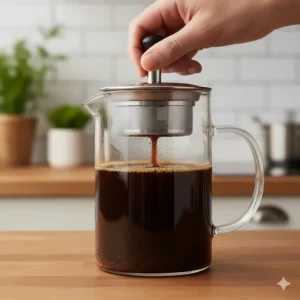
The filter system separates mediocre cafetieres from excellent ones. Quality filters feature multiple layers of fine mesh that trap coffee grounds whilst allowing oils and flavours through. The mesh piston holds down coffee grounds whilst serving, so effective filtration prevents that unpleasant gritty texture in your cup.
Look for cafetieres advertising 3-layer or 4-layer filtration systems. These typically include a coarse outer mesh, fine inner mesh, and additional cross-plate filter. Stainless steel filters outperform nylon alternatives – they’re more durable, easier to clean, and maintain consistent filtration over time.
British coffee enthusiasts often purchase replacement filters for older cafetieres, improving performance dramatically. If you already own a cafetiere with subpar filtering, investing £8-12 in a quality replacement filter might solve your issues without requiring a complete new purchase.
Plunger Design and Ease of Use
A smooth, well-designed plunger makes the difference between enjoyable coffee preparation and a frustrating morning struggle. Quality cafetieres feature plungers that descend smoothly with moderate pressure – not too loose (allowing grounds to escape) nor too tight (requiring excessive force).
Examine the plunger mechanism carefully. Look for models with comfortable, ergonomic grips that won’t become slippery when wet. The plunger rod should feel sturdy rather than flimsy, and the connection between rod and filter plate should be secure without wobbling.
Some premium models include spring-loaded filters that automatically adjust to maintain seal integrity as the filter ages. Whilst not essential, this feature extends the cafetiere’s effective lifespan and ensures consistent results over years of use.
Handle Comfort and Safety
Often overlooked during the selection process, the handle significantly impacts your daily experience. Glass cafetieres transfer heat, so handles must provide adequate insulation. Wooden handles offer excellent heat protection whilst adding aesthetic warmth, though they require hand washing and occasional oiling to maintain condition.
Plastic handles remain cool and are dishwasher-safe, making them practical for busy households. However, ensure the plastic feels substantial rather than cheap – flimsy handles may crack or become loose over time.
Stainless steel cafetieres with double-wall construction typically feature cool-touch handles integrated into the design. These suit modern aesthetics and eliminate concerns about material degradation, though some users find metal handles less comfortable than contoured plastic or wood alternatives.
Consider your personal preferences: do you prioritise aesthetics (wood), practicality (plastic), or modern design (integrated metal)? There’s no wrong answer – choose what aligns with your lifestyle and kitchen style.
The Science of Perfect Cafetiere Coffee
Understanding the science behind coffee extraction helps you maximise your cafetiere’s potential. Water temperature, brewing time, and grind size all interact to extract flavours from coffee beans, and getting these variables right transforms mediocre brews into exceptional ones.
Optimal Grind Size Selection
French press coffee works best with coarse grind, about the consistency of cooking salt. This coarser grind prevents two common problems: difficulty pressing the plunger and excessive sediment in your coffee. Finer grounds have lower permeability, requiring significant force to press and allowing particles to escape around the filter.
UK supermarkets sell pre-ground coffee labelled for cafetieres, but freshly grinding beans immediately before brewing elevates your coffee dramatically. Invest in a burr grinder rather than blade-style for consistent particle size. Set it to coarse grind – individual coffee chunks should be clearly visible rather than appearing powdery.
Water Temperature and Brewing Time
Coffee should be brewed with water at 93-96°C (199-205°F). This temperature range extracts optimal flavour without introducing bitterness from over-extraction. In practical terms, bring your kettle to boil, then wait 30-60 seconds before pouring over the grounds.
Standard brewing time sits at 4 minutes for most coffee. Some enthusiasts prefer 3-minute brews for lighter roasts or 5 minutes for darker roasts, but 4 minutes provides an excellent starting point. Consistent timing matters more than the exact duration – choose a time and stick with it for predictable results.
British tap water quality varies significantly by region. If your area has particularly hard water, consider using filtered water for brewing. Hard water can interfere with extraction and leave limescale deposits in your cafetiere over time.
Coffee-to-Water Ratios
The standard ratio uses about 30g (1 oz) of coffee grounds to 500ml (17 fl oz) of water. This produces a well-balanced, full-bodied brew. For a 1L cafetiere, use 60g of coffee; for 350ml, use approximately 20-22g.
Without a scale, the standard “scoop” included with many cafetieres holds roughly 7-8g of coffee. Measure consistently and adjust to taste over several brews rather than dramatically changing ratios daily. Keep notes on what works – your future self will thank you when you achieve that perfect cup.
Common Brewing Mistakes to Avoid
Leaving coffee in the cafetiere after plunging: Allowing brewed coffee to remain with used grounds causes it to become astringent and bitter. Pour immediately into cups or transfer to a thermal carafe.
Using boiling water directly: Water that’s too hot extracts bitter compounds. Let your kettle rest briefly after boiling.
Pressing too quickly: Rapid plunging disturbs the coffee bed and forces fine particles into your cup. Press gently and steadily, taking 15-20 seconds for the full descent.
Incorrect grind size: This causes either weak coffee (too coarse) or excessive sediment and difficult pressing (too fine). Experiment to find your ideal grind.
Cafetiere Comparison Guide: Making Your Final Decision
Price vs Performance Analysis
Budget options (£15-25) deliver perfectly acceptable coffee for daily drinking. The KICHLY models and basic Bodum Kenya prove you needn’t spend a fortune for quality results. These suit students, first-time buyers, or households wanting a backup cafetiere.
Mid-range choices (£25-35) like the La Cafetière Pisa and higher-capacity Bodum Chambord models provide enhanced durability and aesthetic appeal without breaking the bank. Most UK households find this price range offers optimal value – sufficient quality for discerning coffee lovers without premium pricing.
Premium options (£35-55) including the Coffee Gator and top-tier Bodum models justify their cost through superior materials, extended heat retention, and bulletproof construction. If you’re clumsy, want coffee to stay hot for ages, or appreciate premium build quality, the extra investment pays dividends over years of use.
| Price Range | Best For | Expected Lifespan |
|---|---|---|
| £15-25 | Beginners, backup units | 1-3 years |
| £25-35 | Daily users, design conscious | 3-7 years |
| £35-55 | Premium quality seekers | 7-15+ years |
Durability and Warranty Considerations
Glass cafetieres from reputable brands like Bodum and La Cafetière typically include 1-year warranties covering manufacturing defects. Replacement glass beakers cost £8-15, making repairs economical if you accidentally crack yours. Stock up on spare glass when you purchase your cafetiere – you’ll thank yourself later.
Stainless steel models like Coffee Gator and KICHLY often lack formal warranty periods but rarely require repairs. The solid construction means they’ll survive drops that would shatter glass alternatives. Budget for the higher initial cost but expect decades of reliable service.
Several UK buyers report using Bodum cafetieres for 10-15 years with only occasional replacement glass purchases. This longevity explains why the brand commands premium pricing – you’re investing in a coffee companion for the long haul rather than a disposable appliance.
Cleaning and Maintenance Requirements
Daily cleaning involves rinsing grounds and wiping components – straightforward for any model. However, some designs simplify this process more than others.
Dishwasher-safe models including most Bodum cafetieres and KICHLY ranges handle machine washing excellently. Simply disassemble, place in dishwasher, and you’re done. Glass carafes should go on the top rack to prevent potential damage from heating elements.
Hand-wash models like La Cafetière Pisa (due to wooden handles) require more attention but remain manageable. Rinse immediately after use to prevent coffee oils building up. Soak filters in hot water and washing-up liquid weekly to maintain optimal flow.
Every few months, deep clean your cafetiere by soaking components in a solution of bicarbonate of soda and hot water. This removes accumulated oils that can turn rancid and affect flavour. UK hard water areas should descale periodically using white vinegar or commercial descaling solution.
Speciality Considerations for UK Buyers
UK-Specific Standards and Certifications
When purchasing cafetieres in the UK, verify products meet relevant safety standards. Look for certifications indicating compliance with UK consumer safety regulations. Post-Brexit, some products display both CE (European Conformity) and UKCA (UK Conformity Assessed) markings.
Borosilicate glass should be clearly stated in specifications. This heat-resistant glass withstands thermal shock better than standard glass – crucial for pouring boiling water safely. Reputable brands always specify glass type; vague descriptions raise red flags.
For stainless steel models, look for 304-grade or 18/8 stainless steel designation. This food-safe grade resists corrosion and doesn’t impart metallic tastes. Lower-quality steel may rust or degrade over time, particularly if dishwasher-cleaned regularly.
Availability and Delivery in the UK
All products featured in this cafetiere buying guide are readily available on Amazon.co.uk with Prime delivery options. Most items arrive within 1-2 days for Prime members, whilst standard delivery typically takes 3-5 working days.
Popular models like the Bodum Chambord and Coffee Gator occasionally sell out during peak periods (Christmas, January resolution season). Consider purchasing slightly before you actually need it, particularly if you’ve specific colour or size preferences.
Smaller independent UK retailers also stock these brands, often at competitive prices. Check John Lewis, Lakeland, and speciality coffee shops for alternatives to Amazon. However, Amazon typically offers the widest selection and most competitive pricing, particularly during seasonal sales events.
Customer Service and Returns
Amazon UK’s returns policy covers cafetieres for 30 days after delivery. If you receive a defective unit or simply change your mind, returns are straightforward and usually free. Keep original packaging intact for hassle-free returns.
Bodum maintains UK customer service through their website and responds promptly to warranty claims and replacement part requests. La Cafetière similarly offers good UK support with replacement parts available through various channels.
Lesser-known brands may have limited UK customer service infrastructure. Before purchasing budget options from unfamiliar brands, research their reputation and confirm replacement parts are available. A £20 cafetiere becomes poor value if you cannot source a £5 replacement glass when needed.
Advanced Cafetiere Techniques
Cold Brew with Your Cafetiere
Your cafetiere isn’t limited to hot coffee – it excels at producing smooth cold brew concentrate. Use coarse grounds (same as hot brewing), combine with cold water using the standard 30g per 500ml ratio, and steep in the refrigerator for 12-24 hours. Press the plunger and enjoy either neat over ice or diluted 1:1 with water or milk.
Cold brew produces less acidic, naturally sweeter coffee that highlights different flavour notes. It’s particularly refreshing during British summer heatwaves and can be prepared the night before for immediate morning gratification.
Double-walled stainless steel cafetieres work particularly well for cold brew since they prevent condensation forming on exterior surfaces in the fridge. Glass models function fine but may become slippery with condensation.
Milk Frothing Technique
Transform your cafetiere into a manual milk frother for cappuccinos and lattes. Heat milk to approximately 60°C (not boiling), pour into cleaned cafetiere filling it one-third full, and pump the plunger vigorously 15-20 times. The mesh aerates the milk, creating foam suitable for home coffee drinks.
This technique works best with whole milk due to higher fat content, though semi-skimmed produces acceptable results. Skimmed milk struggles to foam effectively. British buyers seeking optimal frothing results should consider whole organic milk – the additional cost is negligible compared to café prices.
Clean your cafetiere thoroughly after frothing milk to prevent residue affecting your next coffee brew. The mesh requires particular attention as milk solids can clog tiny spaces if left unwashed.
Tea Brewing Applications
Cafetieres excel at brewing loose-leaf tea, providing superior flavour extraction compared to tea bags. Use similar techniques to coffee: add loose tea, pour hot water (temperature varies by tea type), steep for recommended duration, then press gently.
British tea drinkers find cafetieres particularly effective for herbal teas, green teas, and oolongs. The full immersion brewing reveals subtle flavours often lost with conventional tea bag preparation. Start with 1 teaspoon of loose tea per 200ml water and adjust to preference.
Designate separate cafetieres for coffee and tea if possible, as coffee oils can persist despite thorough cleaning and affect delicate tea flavours. Alternatively, perform an extra-thorough clean with bicarbonate of soda before switching between beverages.
FAQs About Cafetiere Selection
❓ How long does a cafetiere last?
❓ Can I put my cafetiere in the dishwasher?
❓ What's the difference between cheap and expensive cafetieres?
❓ How do I stop coffee grounds getting into my cup?
❓ Are stainless steel cafetieres worth the extra cost?
Conclusion: Choosing Your Ideal Cafetiere
Selecting the perfect cafetiere ultimately depends on your specific circumstances, preferences, and budget. If you cherish the traditional coffee ritual and appreciate elegant design, the Bodum Chambord remains unbeatable – its timeless aesthetics and proven reliability justify the investment. For busy households or clumsy coffee lovers, the Coffee Gator stainless steel model eliminates breakage concerns whilst keeping your brew piping hot throughout breakfast.
Budget-conscious buyers needn’t compromise on quality. The KICHLY stainless steel range delivers remarkable performance at prices that won’t strain your finances, whilst the La Cafetière Pisa provides style and substance in equal measure. First-time buyers often find the glass KICHLY or Bodum Kenya models offer gentle introductions to proper coffee without overwhelming complexity or cost.
Remember that the best size cafetiere to buy aligns with your actual consumption patterns. Most UK households find 1L (8-cup) capacity hits the sweet spot, producing 2-3 generous mugs without excessive waste or requiring multiple brews. Smaller households might prefer 350ml or 500ml options, whilst larger families benefit from 1.5L capacity.
Whatever you choose, investing in quality coffee beans and grinding them fresh immediately before brewing will elevate your results more than any equipment upgrade. Master the fundamentals – proper grind size, water temperature, and timing – and even a basic cafetiere produces exceptional coffee that rivals expensive café offerings.
Your perfect morning companion awaits on Amazon.co.uk. Consider your priorities, review the options outlined in this cafetiere buying guide, and make your selection with confidence. Within days, you’ll be enjoying rich, aromatic coffee that transforms your morning routine into a cherished ritual.
Recommended for You
- 7 Best Cafetiere UK 2026 – Expert Reviews & Buying Guide
- 7 Best Grind and Brew Coffee Machines UK 2026
- 7 Best Large Capacity Coffee Machine UK 12 Cup in 2026
Disclaimer: This article contains affiliate links. If you purchase products through these links, we may earn a small commission at no additional cost to you. Prices shown are approximate and may vary.
✨ Found this helpful? Share it with your mates! 💬🤗
