
In This Article
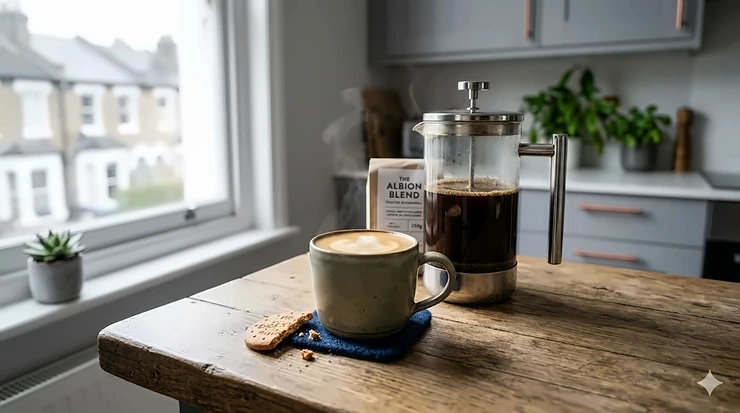
Finding the best coffee blend isn’t just about taste—it’s about consistency, balance, and that elusive quality that makes your morning ritual genuinely satisfying rather than merely functional. In the UK, where we collectively drink 98 million cups of coffee daily, according to industry data, the coffee blend you choose shapes your entire day. The UK coffee market has grown to £6.1 billion in turnover, reflecting our deepening appreciation for quality coffee.
What sets a truly exceptional coffee blend apart from the mediocre offerings cluttering supermarket shelves? It’s the careful orchestration of beans from multiple origins, each contributing specific flavour notes whilst balancing out the others’ shortcomings. Single-origin coffees can be brilliant but also temperamental—too acidic one month, overly earthy the next. A well-crafted premium coffee blend, on the other hand, delivers that smooth coffee blend experience you can rely on, whether you’re pulling shots through your espresso machine on a rainy Tuesday morning or brewing a cafetière for weekend guests.
The British speciality coffee scene in 2026 has reached extraordinary heights. From London roasteries to Yorkshire micro-roasters, the breadth of quality house blend coffee available has never been wider. What excites me most is the transparency: modern UK roasters now routinely publish origin details, roast dates, and even lab testing results for mycotoxins and pesticides. According to Wikipedia’s comprehensive overview, coffee remains one of the most heavily traded agricultural commodities globally, but UK roasters are increasingly prioritising quality and traceability over volume. This expertly blended coffee renaissance means you’re no longer choosing between quality and convenience—you can have both, delivered to your door with a roast date stamped mere days ago.
Quick Comparison: Top Coffee Blends at a Glance
| Coffee Blend | Roast Level | Bean Type | Flavour Profile | Best For | Price Range (£) |
|---|---|---|---|---|---|
| Lavazza Super Crema | Medium | 60% Arabica / 40% Robusta | Hazelnut, brown sugar, velvety crema | Espresso, milk drinks | £20-£24/kg |
| Grind House Blend | Medium | 100% Arabica | Milk chocolate, almond, walnut | All methods, flat white | £28-£32/kg |
| Rave Signature Blend | Medium-Dark | 100% Arabica | Balanced, honeyed, low acidity | Bean-to-cup machines | £24-£28/kg |
| Union Revelation | Dark | 100% Arabica | Chocolate, caramel, blood orange | Espresso, bold lovers | £26-£32/kg |
| Taylors Rich Italian | Medium (Roast 4) | 100% Arabica | Dark chocolate, almond | Sophisticated, after-dinner | £22-£26/kg |
| Taylors Espresso | Dark (Roast 5) | 100% Arabica | Bittersweet chocolate, robust | Strong espresso fans | £24-£28/kg |
| Spiller & Tait Signature | Medium-High | 100% Arabica | Roasted almond, caramel, smooth | Cafetière, versatile brewing | £28-£32/kg |
From this comparison, the Lavazza Super Crema offers exceptional value under £25 if you’re seeking a reliable everyday blend that works beautifully in both espresso and milk-based drinks. However, if you prioritise ethical sourcing and speciality-grade beans, the Grind House Blend justifies its premium with B Corp certification and consistently fresh London roasting. Budget-conscious buyers should note that whilst Rave Signature Blend sits in the mid-range, its small-batch Cotswolds roasting ensures you’re receiving beans roasted within days of dispatch—a freshness advantage that commercial roasters simply cannot match. The sweet spot for most UK coffee drinkers lies in the £24-£28/kg range, where quality intersects affordably with craft roasting standards.
💬 Just one click — help others make better buying decisions too!😊
✨ Don’t Miss These Exclusive Deals!
🔍 Take your morning coffee to the next level with these carefully selected blends. Click on any highlighted item to check current pricing and availability on Amazon.co.uk. These picks will help you find exactly the balanced blend beans you need!
Top 7 Coffee Blends: Expert Analysis for UK Buyers
1. Lavazza Super Crema — Italy’s Creamy Classic
Lavazza Super Crema has dominated UK coffee machines for decades, and there’s a rather good reason beyond mere brand recognition. This 60% Arabica and 40% Robusta blend from Italy delivers that thick, persistent crema British coffee drinkers have come to expect, whilst maintaining a surprisingly gentle flavour profile that doesn’t overwhelm milk-based drinks.
The Arabica component brings sweetness and aromatic complexity—think hazelnut and brown sugar—whilst the Robusta adds body, caffeine kick, and that signature crema. Sourced from 15 coffee-growing regions including Brazil, Indonesia, and Central America, this medium roast works brilliantly across virtually every brewing method. What most UK buyers overlook about this blend is its forgiving nature: whether your bean-to-cup machine is perfectly dialled in or your extraction timing is slightly off, Lavazza Super Crema still produces a drinkable cup. That consistency matters enormously when you’re half-awake at 6:30am.
UK customers consistently praise its smooth, non-bitter character and excellent crema production. Several verified reviews on Amazon.co.uk note that beans arrive with roast dates only weeks old—considerably fresher than typical supermarket stock which often sits for months.
Pros:
✅ Exceptional crema production for home espresso machines
✅ Forgiving extraction—works well even with slight brewing imperfections
✅ Outstanding value in the £20-£24/kg range
Cons:
❌ Robusta content won’t appeal to speciality coffee purists
❌ Flavour profile lacks the complexity of single-origin specialists
Around £20-£22 for 1kg on Amazon.co.uk makes this an absolute steal for daily drinking. If you’re pulling 2-3 espressos daily or making lattes for the family, this blend’s value-per-cup calculation is difficult to beat.
2. Grind House Blend — London’s Speciality Standard
Grind House Blend represents everything right about the London speciality coffee movement: ethically sourced, freshly roasted, and packaged in compostable materials by a B Corp certified roaster who genuinely cares about sustainability beyond marketing slogans.
This 100% Arabica medium roast showcases notes of milk chocolate, almond, cacao nibs, and walnut—a flavour profile specifically engineered for the flat white-obsessed British market. What distinguishes Grind House Blend from competitors is the roasting precision: Grind operates multiple London roasteries and café locations, meaning they’re constantly quality-checking their own product in real-world conditions. The beans you receive have been through the same rigorous cupping process that supplies their Shoreditch and Covent Garden locations.
For UK buyers serious about ethical sourcing, Grind’s supply chain transparency is exemplary. They publish origin details for every batch and maintain direct relationships with farming co-operatives. The compostable packaging addresses a genuine concern—traditional valve bags can take decades to break down in British landfills.
UK reviews frequently mention the consistency: whether you’re brewing V60 pour-over, AeroPress, or bean-to-cup espresso, this blend delivers. One Amazon.co.uk reviewer noted it “works brilliantly in hard water areas” (a distinctly British consideration, given our limescale challenges).
Pros:
✅ B Corp certified with genuine environmental commitments
✅ Versatile across all brewing methods including hard water conditions
✅ Fresh London roasting ensures maximum flavour retention
Cons:
❌ Premium pricing in the £28-£32/kg range
❌ Medium roast may lack intensity for dark roast devotees
In the £28-£32 range on Amazon.co.uk, Grind House Blend positions itself as a premium everyday option. You’re paying partly for the brand, admittedly, but also for verifiable ethical standards and roast-date freshness that budget blends simply don’t offer.
3. Rave Coffee Signature Blend No. 1 — Cotswolds Craft
Rave Coffee Signature Blend No. 1 emerges from the heart of the Cotswolds, where this family-run roastery has been perfecting their craft since 1994. This medium-dark roast balances chocolatey depth with surprising brightness—a honeyed sweetness that sets it apart from one-dimensional commercial blends.
The real story here is freshness. Rave roasts in small batches daily, and Amazon.co.uk customers routinely report receiving bags with roast dates just 3-5 days prior. In the coffee world, that’s practically still warm. Fresh roasting preserves those volatile aromatic compounds that dissipate rapidly in pre-ground or long-stored beans. The difference is immediately apparent: crack open a fresh bag of Rave Signature Blend, and the aromatics practically assault your senses—in the best possible way.
This blend particularly excels in bean-to-cup machines, which can be notoriously fickle with lighter roasts. The medium-dark profile provides enough body and forgiveness that automated machines produce consistently good results without requiring PhD-level dialling in. Several UK buyers mention it’s their go-to for Sage and DeLonghi bean-to-cup machines, where it produces excellent crema and minimal bitterness.
Rave’s commitment to paying sustainable prices to farmers—they donate 1% of all sales to environmental causes regardless of profit—adds ethical weight to an already solid product.
Pros:
✅ Exceptionally fresh roasting (3-5 days before delivery)
✅ Ideal for bean-to-cup machines with forgiving extraction
✅ 1% for the Planet commitment to environmental causes
Cons:
❌ Medium-dark roast may not satisfy light roast enthusiasts
❌ Some UK buyers report occasional batch inconsistency
Around £24-£28 for 1kg represents fair value for craft-roasted beans this fresh. The environmental contribution and family-business ethos justify a modest premium over mass-market alternatives.
4. Union Coffee Revelation Espresso — Bold Complexity
Union Coffee Revelation Espresso is Union’s flagship blend, and it’s served in high-end cafés across London, Manchester, and Edinburgh for rather good reason. This dark roast combines beans from Costa Rica, Guatemala, Nicaragua, Rwanda, and Burundi into a complex, fruit-forward profile that rewards careful extraction.
What makes Union Revelation exceptional is its depth: blood orange acidity balanced against milk chocolate sweetness, with caramel and blackcurrant notes emerging as the cup cools. This isn’t a blend you gulp down whilst checking emails—it demands attention and rewards it. The roast level sits firmly in dark territory (though not the charred bitterness of commercial “espresso roast”), which means it produces bold, full-bodied espresso with substantial crema.
For UK buyers, Union’s Direct Trade programme offers genuine transparency. They publish farm-level details for contributing origins, and their London roastery maintains relationships spanning decades with the same farming communities. This isn’t marketing fluff—it’s verifiable supply chain ethics that actually support farmers beyond Fairtrade minimums.
The catch? This blend requires more finesse than forgiving options like Lavazza. The extraction window is narrower, and poorly calibrated machines or stale beans will produce disappointing results. But when you dial it in properly—and many UK home baristas report excellent results with Sage Barista Express and Gaggia Classic machines—the complexity is genuinely impressive.
Pros:
✅ Complex flavour profile with fruit-forward notes
✅ Genuine Direct Trade relationships supporting farmers
✅ Exceptional in properly dialled espresso machines
Cons:
❌ Narrow extraction window demands brewing precision
❌ Dark roast intensity may overwhelm lighter palates
In the £26-£32 range for a 500g bag on Amazon.co.uk, this positions as a premium option. You’re paying for Union’s ethical sourcing and roasting expertise—worthwhile if you’ve got the equipment and skills to extract its full potential.
5. Taylors of Harrogate Rich Italian — Yorkshire Sophistication
Taylors of Harrogate Rich Italian brings Northern elegance to Italian-style roasting. This medium roast (Roast 4 on Taylors’ 1-7 scale) combines Brazilian balance, Indonesian chocolate notes, Kenyan sweetness, and Ethiopian brightness into a refined, after-dinner worthy blend.
What I appreciate about Taylors Rich Italian is its measured sophistication. This isn’t trying to be the strongest or boldest—it’s aiming for elegant complexity, and it succeeds. Dark chocolate and almond dominate, with subtle citrus undertones that prevent the profile from becoming one-dimensional. Taylors roasts in traditional drum roasters at their Harrogate facility, using techniques refined over 130+ years of family business.
For UK buyers, Taylors represents heritage and consistency. The Rainforest Alliance certification ensures sustainable farming practices, and the company’s Yorkshire roots (they’re still family-owned and Harrogate-based) resonate with British consumers who value local expertise. Several Amazon.co.uk reviews mention this blend’s particular excellence in cafetière brewing, where the medium roast allows nuanced flavours to develop during the 4-minute steeping.
One practical consideration: Taylors recommends storing opened bags in an airtight container in the fridge for up to two weeks. British humidity can accelerate staling, so this guidance actually matters for maintaining flavour between uses.
Pros:
✅ Refined, sophisticated flavour profile for discerning drinkers
✅ 130+ years Yorkshire roasting heritage and consistency
✅ Excellent in cafetière and filter brewing methods
Cons:
❌ Medium roast lacks intensity for espresso purists
❌ Requires proper storage to maintain freshness in UK climate
Around £22-£26 for 1kg on Amazon.co.uk makes this a solid mid-range option. The heritage, Rainforest Alliance certification, and consistent quality justify choosing Taylors over cheaper supermarket blends.
6. Taylors of Harrogate Espresso — Bold Yorkshire Roast
Taylors of Harrogate Espresso sits at Roast 5 on their intensity scale—a proper dark roast delivering bittersweet chocolate tones and robust body. This blend specifically targets those who want their espresso to taste like espresso: bold, full-flavoured, and capable of cutting through milk in cappuccinos and lattes.
The bean composition mirrors Rich Italian (Brazilian, Indonesian, Kenyan, Ethiopian) but the darker roasting fundamentally transforms the flavour profile. Where Rich Italian offers nuance, Taylors Espresso delivers punch. Bittersweet chocolate and toasted notes dominate, with enough intensity to satisfy those weaned on traditional Italian espresso bars.
What UK buyers consistently praise is the blend’s reliability in home espresso machines. Whether you’re using a manual Gaggia, a Sage Barista Pro, or a DeLonghi bean-to-cup, this blend produces thick crema and consistent flavour. Several Amazon.co.uk reviewers note it’s their daily driver for morning lattes—strong enough to register through steamed milk without becoming harsh or bitter.
Taylors’ Rainforest Alliance certification means the beans come from farms meeting environmental sustainability standards whilst protecting workers’ rights. For a family company that’s been roasting in Harrogate since the 1880s, this ethical commitment feels genuine rather than performative.
Pros:
✅ Bold, robust flavour perfect for milk-based drinks
✅ Produces excellent crema in home espresso machines
✅ Reliable consistency from 140+ years Yorkshire roasting experience
Cons:
❌ Dark roast intensity may be too strong for sensitive palates
❌ Limited complexity compared to lighter, fruit-forward blends
Priced around £24-£28 for 1kg on Amazon.co.uk, this represents excellent value for those seeking reliable dark roast espresso beans. It’s not the cheapest option, but the quality-to-price ratio is spot on.
7. Spiller & Tait Signature Blend — Multi-Award Winner
Spiller & Tait Signature Blend earned Great Taste Awards and Taste of the West recognition through thousands of hours of market testing with British coffee drinkers. This medium-high roast combines beans from Colombia, Brazil, Kenya, Ethiopia, and India into a balanced, full-bodied cup with roasted almond and caramel notes.
What sets Spiller & Tait apart is their obsessive attention to consistency. The founders spent years in wholesale coffee, supplying UK high street cafés, so they understand that home brewers need blends that perform reliably across different equipment and water conditions. The result is a remarkably forgiving blend: whether you’re brewing cafetière, AeroPress, or espresso, it produces clean, smooth coffee without bitterness.
The small-batch roasting in South West England ensures freshness comparable to larger speciality roasters but with regional charm. Several Amazon.co.uk buyers mention receiving bags roasted within the previous week—impressive for a relatively small operation competing against national brands.
For UK buyers valuing awards and recognition, the Great Taste Award carries genuine weight. Unlike marketing awards, Great Taste involves blind tasting by industry experts, so the accolade actually signifies quality rather than marketing budget.
Pros:
✅ Multi-award winning with verified taste recognition
✅ Exceptionally versatile across all brewing methods
✅ Small-batch UK roasting ensures consistent freshness
Cons:
❌ Premium pricing in the £28-£32/kg range
❌ Medium-high roast may lack drama for bold flavour seekers
Around £28-£32 for 1kg positions this as a premium choice on Amazon.co.uk. You’re paying partly for the award-winning profile, but also for genuine small-batch craft roasting that larger operations cannot replicate.
How to Brew the Perfect Cup: UK-Specific Guidance
Getting your brewing parameters right transforms even exceptional beans into transcendent coffee. British water presents unique challenges—our relatively hard water (particularly in London, the South East, and much of the Midlands) can emphasise bitterness and mask delicate flavours. Here’s what actually works in UK conditions:
Water Quality Matters (Especially Here)
British tap water varies dramatically by region. London water typically measures 250-350mg/L hardness, whilst Scottish Highland water can be as soft as 50mg/L. According to Which? consumer advice, water hardness affects not only coffee taste but also appliance longevity—limescale buildup remains one of the primary causes of espresso machine failure in the UK. This matters enormously: hard water extracts coffee compounds differently, often emphasising bitter notes whilst suppressing sweetness. If your coffee tastes perpetually harsh despite changing beans, your water is likely the culprit.
A Brita filter jug reduces hardness sufficiently for most brewing methods. For espresso machines, consider bottled spring water or a dedicated water filter—limescale buildup not only affects flavour but can destroy expensive equipment. Several Amazon.co.uk reviewers of the blends above specifically mention improved taste after switching to filtered water, particularly with lighter roasts like Grind House Blend.
Grinding Fresh Is Non-Negotiable
Pre-ground coffee loses 60% of its aromatic compounds within 15 minutes of grinding, according to coffee science research. The UK Food Standards Agency doesn’t regulate coffee freshness the way it does perishables, but the chemistry is undeniable: volatile aromatic compounds evaporate rapidly once cellular structures are broken through grinding. If you’re buying whole beans and grinding them weeks in advance, you’re essentially paying premium prices for stale coffee. A decent burr grinder (Baratza Encore, Sage Smart Grinder Pro, or even hand grinders like Hario Skerton) costs £50-£150 but transforms your coffee experience more than any bean upgrade.
For espresso, grind immediately before brewing. For cafetière or filter, you can grind the night before if stored in an airtight container, but same-day grinding delivers noticeably better results.
Storage in the British Climate
Our damp climate accelerates coffee staling. Store beans in an airtight container (Airscape containers work brilliantly) in a cool, dark cupboard—NOT the fridge, despite some manufacturers’ recommendations. Refrigeration introduces moisture and odour absorption risks that outweigh any freshness benefits. In particularly humid coastal areas, consider silica gel packets in your storage container.
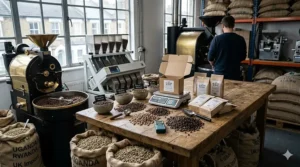
Whole beans maintain peak freshness for 2-4 weeks after roasting. Beyond that, they’re still drinkable but losing aromatic complexity. This is why roast-date matters: buying from UK small-batch roasters like Rave or Spiller & Tait means you’re receiving beans at peak freshness, not months-old stock languishing in warehouse.
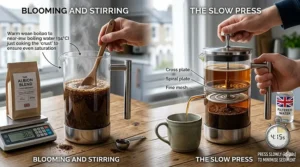
The Truth About Coffee Blends vs Single Origins
The speciality coffee world sometimes treats blends with disdain, as though they’re inherently inferior to single-origin offerings. This is rubbish. A well-crafted expertly blended coffee offers advantages that single origins simply cannot match, particularly for British home brewers.
Why Blends Win for Daily Drinking
Single-origin beans showcase terroir—the unique characteristics of a specific farm or region. Ethiopian naturals burst with blueberry and jasmine; Guatemalan washed coffees offer structured acidity and chocolate. But they also fluctuate. Harvest timing, processing variations, and seasonal factors mean the same farm’s beans can taste noticeably different batch-to-batch.
Blends solve this by combining complementary origins. Brazilian beans bring chocolatey sweetness and low acidity; Central American beans add brightness and structure; East African beans contribute fruity complexity. A skilled roaster balances these components to create consistent flavour regardless of seasonal variations in any single origin. For your morning ritual, that consistency is valuable—you want reliable pleasure, not fascinating-but-unpredictable experimentation.
When to Choose Single Origin
Single origins excel for weekend brewing when you’re paying attention. A V60 pour-over session with a naturally processed Ethiopian Yirgacheffe rewards focus—you’ll notice floral aromatics, evolving acidity, and complex fruit notes that shift as the cup cools. This is coffee as sensory exploration rather than caffeine delivery.
But honestly? On a rainy Tuesday morning when you’re half-awake and rushing to make the 7:42 train, a reliable house blend coffee like Grind House or Rave Signature serves you better than a temperamental single origin that demands precise extraction to shine.
Common Mistakes UK Coffee Buyers Make
Ignoring Roast Dates
British supermarkets rarely display roast dates on coffee bags, and when they do, the beans are often 3-6 months old. This matters enormously. Coffee is an agricultural product with peak freshness windows, not a shelf-stable commodity. Buying from Amazon.co.uk suppliers who roast weekly (Rave, Spiller & Tait, Grind) means receiving beans at peak flavour rather than long-stale stock.
Check product listings for roast-date guarantees. If a seller cannot or will not confirm roast dates, assume the beans are ancient and shop elsewhere.
Buying Pre-Ground for “Convenience”
The convenience of pre-ground coffee costs you roughly 60% of your coffee’s potential flavour. Those volatile aromatic compounds that make fresh coffee smell incredible? They evaporate rapidly after grinding. Within hours, pre-ground coffee smells flat; within days, it’s essentially flavourless brown powder delivering caffeine without pleasure.
A basic hand grinder costs £25-£40 and takes 60 seconds to grind enough beans for morning espresso. This minimal effort preserves all those aromatics you’re paying premium prices to access.
Underestimating Water Quality
London, Birmingham, and Manchester water is notoriously hard—250-350mg/L calcium carbonate. This high mineral content emphasises bitter compounds whilst masking sweetness and acidity. If you’re brewing expensive speciality beans with tap water and wondering why they taste harsh, your water is likely the problem.
A £15 Brita filter jug solves this for most brewing methods. For espresso machines, invest in bottled spring water or a dedicated water filter to protect both flavour and equipment.
Storing Beans Improperly
Leaving beans in their original bag, unsealed, in a kitchen cupboard near the cooker is surprisingly common. Heat, light, oxygen, and moisture all accelerate staling. Transfer beans to an airtight container (Airscape, Fellow Atmos, or even a simple glass jar with rubber seal) and store in a cool, dark cupboard away from heat sources.
In coastal areas with high humidity, consider vacuum-sealing portions of beans for longer storage. British damp accelerates staling more than buyers realise.
Frequently Asked Questions
❓ What makes a coffee blend better than single-origin beans?
❓ How long do coffee beans stay fresh in the UK climate?
❓ Which coffee blend works best for hard water areas in the UK?
❓ Are Arabica-Robusta blends worth buying in 2026?
❓ How do I choose between medium and dark roast blends?
Final Verdict: Choosing Your Perfect Blend
The best coffee blend for you depends entirely on how you brew, what you value, and how much you’re willing to invest. If you’re seeking reliable daily espresso at exceptional value, Lavazza Super Crema‘s £20-£22/kg price point delivers consistent results that justify its decades of British popularity. For ethically minded drinkers willing to pay a premium, Grind House Blend combines genuine B Corp commitments with London craft roasting that consistently exceeds expectations.
My personal recommendation? Start with Rave Coffee Signature Blend. At around £24-£28/kg, it occupies the sweet spot between craft quality and reasonable pricing, whilst the roast-date freshness (3-5 days before delivery) ensures you’re experiencing coffee at peak flavour. The medium-dark profile works brilliantly across multiple brewing methods, meaning you’re not locked into espresso-only applications.
Whatever blend you choose, remember that freshness matters more than brand recognition. A £25 bag of beans roasted last week will outperform a £35 bag roasted three months ago, regardless of packaging claims. Buy from roasters who display roast dates prominently, grind fresh immediately before brewing, and store beans properly in airtight containers away from heat and moisture.
The UK speciality coffee scene in 2026 has reached a point where exceptional quality is genuinely accessible. You don’t need to spend £40/kg or live near a trendy London roastery to brew brilliant coffee at home. You just need to choose wisely, brew carefully, and appreciate the craft that goes into every bag of balanced blend beans you purchase.
Recommended for You
- 7 Best Premium Instant Coffee UK 2026
- Best Instant Coffee UK: 7 Premium Brands Tested (2026)
- 7 Best Sustainable Coffee Beans UK: Eco-Friendly Choices 2026
Disclaimer: This article contains affiliate links. As an Amazon Associate, I earn from qualifying purchases. If you purchase products through these links, we may earn a small commission at no additional cost to you.
✨ Found this helpful? Share it with your mates! 💬🤗
