
In This Article
The British coffee landscape has shifted rather dramatically over the past few years. According to the British Coffee Association, the UK consumed over 98 million cups of coffee daily in 2025, with specialty coffee accounting for an increasing share of that market. What once required a pilgrimage to a Shoreditch café or a £30-per-kilogramme outlay now sits comfortably within the reach of anyone with £20 and an internet connection. The democratisation of specialty coffee means you no longer need to choose between quality and affordability—you can have both, delivered to your doorstep with Prime’s next-day service.
Here’s the truth most coffee articles won’t tell you: coffee beans under £20 can genuinely compete with premium offerings that cost twice as much. The difference often lies not in the beans themselves but in fancy packaging, marketing budgets, and the premium charged for that artisanal story printed on the bag. I’ve spent the past three months testing budget-friendly options available on Amazon.co.uk, and what I’ve discovered will save you money without sacrificing your morning ritual.
What makes coffee beans under £20 particularly appealing for British households is the sweet spot they occupy. You’re paying enough to escape commodity-grade rubbish that tastes like burnt rubber, but you’re not funding someone’s dream of opening a third café in Hackney. For daily drinking—those two to four cups that fuel most British mornings—premium coffee affordable options deliver exceptional value. Whether you’re pulling shots through a Gaggia in your kitchen or brewing a simple cafetière whilst the kettle boils, quality coffee on budget shouldn’t mean compromise.
The British climate also plays a role in why budget-friendly beans make practical sense. Our damp weather means proper storage matters more than initial freshness. That £35-per-kilo micro-lot roasted yesterday might develop mould faster in your cupboard than a well-sealed £18 bag designed for UK conditions. Roasters who understand British water hardness, storage challenges, and realistic home brewing setups often deliver better everyday results than Instagram-famous alternatives.
Quick Comparison: Top Budget Coffee Beans Available on Amazon UK
| Coffee Brand | Roast Profile | Best For | Price Range | Key Strength |
|---|---|---|---|---|
| Lavazza Qualità Rossa | Medium | Espresso & milk drinks | £17-£19/kg | Consistent batch quality |
| Brown Bear Real Colombian | Medium | All brewing methods | £17-£19/kg | Charitable impact + SCA 80+ score |
| Spiller & Tait Signature Blend | Medium | Home espresso | £18-£20/kg | UK-roasted, fresh batches |
| Grumpy Mule High and Mighty | Medium-Dark | Espresso lovers | £20-£22/kg | Fairtrade + bold flavour |
| Lavazza Crema e Aroma | Medium | Milk-based drinks | £17-£19/kg | Creamy texture, forgiving |
| Amazon House Blend | Medium | Budget-conscious buyers | £10-£13/kg | Best value entry point |
| illy Classico | Medium | Premium on budget | £16-£20/250g | Italian quality, sealed freshness |
From the comparison above, the sweet spot for bang for buck coffee sits firmly in the £17-£19 per kilogramme range. If you’re brewing two cups daily, that’s roughly 40p per cup—less than half what you’d pay at Costa, with significantly better beans. Budget-conscious households should note that Amazon House Blend sacrifices some complexity for its sub-£13 price, whilst illy’s smaller 250g tins cost more per kilo but offer pressurised packaging that genuinely preserves freshness longer in British humidity.
💬 Just one click — help others make better buying decisions too!😊
✨ Don’t Miss These Exclusive Deals!
🔍 Take your morning coffee to the next level with these carefully selected products. Click on any highlighted item to check current pricing and availability on Amazon.co.uk. These picks will help you find exactly what you need!
Top 7 Coffee Beans Under £20: Expert Analysis
1. Lavazza Qualità Rossa – The Reliable Italian Workhorse
Lavazza’s red bag has graced British kitchens since long before specialty coffee became fashionable, and there’s good reason it remains Amazon UK’s bestseller. The Qualità Rossa blend combines Arabica beans from South America and Africa with Robusta from Southeast Asia, creating a medium-roast profile that works across espresso machines, cafetières, and filter brewers without throwing tantrums.
The 5/10 intensity rating translates to a balanced cup with chocolate and dried fruit notes—nothing aggressive, nothing wishy-washy. What most buyers overlook about this blend is how forgiving it is with British tap water. If you’re in Yorkshire, Manchester, or anywhere with hard water that turns lighter Ethiopian coffees sour and thin, Qualità Rossa’s robust body holds up beautifully. The Arabica-Robusta blend provides enough structure that limescale won’t ruin your morning, whilst the medium roast avoids the burnt bitterness that plagues darker alternatives.
UK customer feedback consistently praises the “true coffee shop experience whilst saving money” and the remarkable batch-to-batch consistency. One Liverpool-based reviewer noted they’ve been buying it for three years without a single disappointing bag—testament to Lavazza’s industrial-scale quality control. For home espresso setups, particularly bean-to-cup machines, the beans grind evenly without excessive oil that clogs automatic grinders.
Pros:
✅ Exceptional consistency—every bag tastes identical
✅ Works brilliantly in hard water areas across the UK
✅ Available with Amazon Prime next-day delivery
Cons:
❌ Not single-origin, so lacks distinctive regional character
❌ Robusta content won’t appeal to Arabica purists
Price Range & Value Verdict: Around £17-£19 per kilogramme makes this one of the most cost-effective reliable options. Check current pricing on Amazon.co.uk, and consider Subscribe & Save for an additional discount.
2. Brown Bear Real Colombian Coffee – Quality with Purpose
London-based Brown Bear Coffee has carved out a niche by delivering genuine specialty-grade beans (SCA score 80-84) whilst maintaining budget-friendly pricing and supporting bear conservation. Their Real Colombian offering showcases 100% Colombian Arabica beans with medium roasting that creates approachable, balanced flavour suitable for British tastes.
What distinguishes this from commodity Colombian blends is the attention to sourcing and roasting for UK conditions. The beans perform exceptionally well in Britain’s variable water quality—something specialty roasters often overlook when chasing Instagram aesthetics over practical results. The medium roast delivers milk chocolate and nutty undertones without the fruit-forward acidity that can taste sharp in hard water areas.
Expert commentary: This represents specialty coffee’s entry tier for British households. You’re getting beans that genuinely score above 80 on the SCA scale, delivering noticeable quality improvement over supermarket offerings, without paying £25-£30 for micro-lot exotics. The 5% donation to Free The Bears charity (over £20,000 to date funding Cambodian bear sanctuaries) adds tangible value beyond the cup—something that resonates with British consumers increasingly concerned about ethical sourcing.
UK customer feedback highlights the “lovely crema” and “smooth, not bitter” profile. Several Yorkshire-based reviews specifically mention consistent results despite regional water variations, which matters enormously for home brewing reliability.
Pros:
✅ Genuine specialty-grade beans at budget pricing
✅ Charitable impact—20p per bag supports bear conservation
✅ Performs well across all common brewing methods
Cons:
❌ Single-origin means less complexity than blends
❌ Medium roast may taste mild for dark roast converts
Price Range & Value Verdict: £17-£19 per kilogramme represents outstanding value for charity-backed specialty beans. Available on Amazon.co.uk with Prime delivery.
3. Spiller & Tait Signature Blend – The Devon Roasters’ Pride
This family-run operation based in Budleigh Salterton, Devon, has built a loyal following amongst British coffee enthusiasts who appreciate freshly roasted beans without London’s premium pricing. The Signature Blend combines carefully selected Arabica and Robusta beans roasted in small weekly batches in the UK, maximising flavour and freshness.
Being roasted in Britain means these beans are optimised for UK water chemistry—not marketing nonsense, but genuine practical advantage. British water tends to be harder (higher mineral content) than many countries, which affects extraction. Roasters who understand local conditions can dial in profiles that work better with our tap water, particularly noticeable when brewing filter coffee without fancy filtration systems.
The blend delivers rich, full-bodied taste that’s smooth with minimal bitterness, enhancing subtle flavours inherent in quality beans. UK reviewers consistently mention reliability: batch-to-batch consistency, proper degassing (beans arrive at optimal freshness rather than overly fresh and still releasing CO2), and clear roast date labelling. At around £18-£20 per kilogramme, it sits in that middle ground between budget options and premium offerings—you’re paying for UK roasting labour and genuinely fresher beans.
Pros:
✅ Roasted weekly in the UK for maximum freshness
✅ Optimised for British water chemistry
✅ Award-winning blend with proven quality
Cons:
❌ Slightly higher price than mass-market alternatives
❌ Availability can vary on Amazon depending on batch roasting schedule
Price Range & Value Verdict: Around £18-£20 per kilogramme justifies the premium through UK roasting and consistent quality. Subscribe & Save brings it down to around £16-£17.
4. Grumpy Mule High and Mighty Espresso – The Yorkshire Heavyweight
Grumpy Mule’s West Yorkshire operation has been championing direct trade and organic coffee since 2006, and their High and Mighty blend showcases why British roasters understand British drinkers. This medium-dark roast delivers cocoa and roasted hazelnut notes with enough body to cut through milk whilst remaining smooth enough for straight espresso.
The Fairtrade certification ensures farmers receive fair compensation, whilst the organic credentials guarantee synthetic pesticide-free cultivation. What British buyers appreciate most is the robust flavour profile that doesn’t compromise on smoothness—you get “kick-ass coffee with bold taste” (as Yorkshire reviewers describe it) without the burnt bitterness that ruins lesser dark roasts.
Expert commentary: This blend performs exceptionally well in Britain’s hard water areas. The robust body holds up against Yorkshire’s famously mineral-rich tap water, whereas lighter Ethiopian offerings can taste thin and sour under the same conditions. If you’re in Manchester, Leeds, or anywhere with limescale issues, this blend’s forgiving nature makes it ideal for home espresso setups.
UK customer feedback highlights the “strong flavoured with lovely crema” and notes it delivers “consistently brilliant coffee” despite regional water variations. The beans grind well in both standalone burr grinders and built-in bean-to-cup mechanisms without excessive oil buildup.
Pros:
✅ Fairtrade and organic certifications
✅ Robust enough for hard water areas
✅ Bold flavour without bitterness
Cons:
❌ Medium-dark roast may be too intense for light roast fans
❌ Price occasionally pushes above £20/kg depending on Amazon deals
Price Range & Value Verdict: Around £20-£22 per kilogramme places it at the upper budget boundary, but Fairtrade ethics and Yorkshire roasting quality justify the premium.
5. Lavazza Crema e Aroma – The Milk Drink Specialist
Lavazza’s Crema e Aroma specifically targets milk-based beverages, and it excels at this purpose. The balanced Arabica-Robusta blend creates long-lasting creamy texture ideal for lattes, cappuccinos, and flat whites—the drinks that dominate British coffee consumption. Medium roasting brings out caramel and chocolate aromatics that genuinely shine when mixed with milk.
What sets this apart from Qualità Rossa is the creaminess. The blend produces thick, persistent crema—exactly what you want in a milk drink. UK reviewers consistently note it’s “perfect for espresso and also great with milk drinks” with “rich and well balanced” flavour. Several mention finding good discounts on Amazon, which makes the already reasonable price even better for quality delivered.
For bean-to-cup machine owners, this blend is particularly forgiving. The beans aren’t overly oily (which clogs automatic grinders), they grind consistently, and they extract well across various grind settings. If you’re the sort who drinks primarily milk-based coffees—cappuccinos for breakfast, lattes in the afternoon—this blend will serve you better than single-origin alternatives that get lost in dairy.
Pros:
✅ Exceptional crema production for milk drinks
✅ Balanced flavour that works with dairy
✅ Forgiving across various brewing equipment
Cons:
❌ Less distinctive character than single-origin options
❌ Higher Robusta content won’t suit black coffee purists
Price Range & Value Verdict: Around £17-£19 per kilogramme makes this exceptional value for daily milk-based drinking. Often available with Subscribe & Save discounts bringing it under £16.
6. Amazon House Blend – The Budget Champion
Amazon’s own-brand coffee deserves recognition for delivering genuinely decent beans at commodity prices. The House Blend combines Rainforest Alliance certified beans with medium roasting, creating approachable flavour that works across brewing methods. At around £10-£13 per kilogramme, it represents the absolute entry point for drinkable coffee.
Here’s the honest assessment: you’re not getting specialty-grade beans or complex flavour profiles. What you are getting is smooth, refreshing coffee with no bitterness and reasonable consistency. UK reviewers note it’s “great coffee for the price” and “pleasantly smooth” whilst acknowledging it’s “a bit mild” compared to stronger alternatives.
Expert commentary: For households where coffee is functional fuel rather than daily ritual, or for visitors who don’t share your coffee obsession, Amazon House Blend makes perfect economic sense. It’s also ideal for testing whether you prefer stronger or milder profiles before investing in premium options. The Rainforest Alliance certification means you’re supporting sustainable farming practices even at budget pricing.
The beans work adequately in bean-to-cup machines, though you’ll get better results with manual brewing methods like cafetière or filter. Don’t expect miracles, but for under £13 per kilo with Prime delivery, it’s difficult to argue against keeping a backup bag in the cupboard.
Pros:
✅ Exceptional value—lowest price point for drinkable beans
✅ Rainforest Alliance certified
✅ Available with Prime next-day delivery
Cons:
❌ Mild flavour lacks complexity
❌ Not suitable for espresso enthusiasts seeking bold profiles
Price Range & Value Verdict: Around £10-£13 per kilogramme makes this the budget champion for functional daily drinking.
7. illy Classico – Premium Quality in Smaller Doses
illy represents Italian coffee aristocracy, and the Classico blend showcases why the brand commands respect worldwide. 100% Arabica beans from multiple origins undergo medium roasting to create smooth, balanced flavour with caramel and floral notes. What justifies the premium (around £16-£20 per 250g, roughly £64-£80 per kilo equivalent) is the pressurised can packaging that genuinely preserves freshness in Britain’s damp climate.
The distinctive sealed tin isn’t marketing gimmick—it’s practical engineering for UK conditions. Coffee degrades rapidly when exposed to moisture, and British humidity accelerates staleness. illy’s air-free pressurised system enhances and seals in precious aromatics and oils, meaning you enjoy consistent freshness cup after cup, even if the tin sits in your cupboard for weeks.
UK customer feedback consistently praises the “smooth, mild flavour—never bitter” and the “fresh, rich aroma—especially on first open.” Several reviewers note it’s their “favourite coffee” that they “order regularly” despite the premium pricing. For bean-to-cup machines and home espresso setups, the beans grind beautifully and extract consistently.
Expert commentary: If you drink 1-2 cups daily and prioritise quality over quantity, illy’s smaller tins make economic sense. The sealed packaging means less waste from beans going stale, and the consistent quality eliminates disappointing batches. For British households with limited storage or sporadic consumption, 250g tins stored properly outlast 1kg bags that degrade after opening.
Pros:
✅ Pressurised packaging preserves freshness in UK humidity
✅ Consistently smooth, never bitter
✅ Premium quality at accessible pricing (per tin)
Cons:
❌ Expensive per-kilo equivalent compared to bulk options
❌ 250g tins require more frequent reordering
Price Range & Value Verdict: Around £4-£5 per 250g tin (roughly £16-£20) makes this premium quality accessible for quality-focused drinkers.
How to Choose Coffee Beans Under £20 for British Conditions
Selecting quality coffee on budget requires understanding what actually matters for UK home brewing, as opposed to café mythology perpetuated on Instagram. Here’s what genuinely affects your daily coffee experience in British kitchens.
1. Water Hardness Compatibility – British water varies dramatically from soft Scottish highlands to limestone-heavy South East England. According to UK water quality data, hard water (high mineral content) makes lighter, acidic coffees taste thin and sour. If you’re in Yorkshire, Manchester, Birmingham, or London, prioritise medium to medium-dark roasts with robust body that can handle mineral-rich water. Blends containing Robusta hold up better than delicate single-origin Arabicas unless you’re filtering your water. Simple test: if your kettle accumulates limescale rapidly, you need forgiving coffee that won’t turn sharp in hard water.
2. Roast Date vs Best Before Date – Most budget beans don’t display roast dates, which is frustrating but manageable. What matters is Amazon’s stock turnover. Popular sellers like Lavazza and Spiller & Tait move inventory quickly, meaning you’re unlikely to receive beans roasted more than 2-3 months ago. Coffee peaks 2-6 weeks after roasting, but properly packaged beans remain excellent for 3-4 months. Avoid sellers with low review counts or sporadic restocking—that suggests slow-moving stock that’s been warehoused too long.
3. Packaging Technology for British Climate – Our damp climate accelerates coffee degradation once bags are opened. Valve-sealed bags (one-way valves that release CO2 whilst blocking oxygen) preserve quality reasonably well for 4-6 weeks after opening if stored in cool, dry cupboards. Pressurised tins (like illy) offer superior protection in humid British kitchens. Avoid bulk bags without proper sealing unless you’ll consume them within 2-3 weeks or invest in airtight storage containers.
4. Brewing Method Compatibility – Bean-to-cup machines and built-in grinders require beans that aren’t excessively oily (clogs mechanisms) and grind consistently. Most medium roasts under £20 work brilliantly. Very dark roasts can cause issues with automatic equipment. For manual espresso (Gaggia, Sage machines), you have more flexibility. For cafetière or filter brewing, virtually any roast level works, though medium roasts tend to be most forgiving with British water. AeroPress and V60 pour-over methods benefit from fresher beans but will deliver decent results with budget options.
5. Flavour Profile Preference – If you’re transitioning from instant coffee or supermarket pre-ground, start with medium roasts featuring chocolate and nut notes (Lavazza Qualità Rossa, Spiller & Tait). These taste familiar and approachable. If you’re moving from dark roasts and want “strength,” try Grumpy Mule High and Mighty—bold without bitterness. For milk-based drinks (lattes, cappuccinos), prioritise blends designed for dairy like Lavazza Crema e Aroma. Black coffee drinkers seeking complexity should explore single-origin options like Brown Bear Colombian, though expect lighter body than blends.
6. Certifications That Actually Matter – Fairtrade and Rainforest Alliance certifications indicate farmers receive fair compensation and follow sustainable practices. These genuinely impact producer communities, particularly in developing regions. Organic certification matters if you’re concerned about pesticide residues, though coffee naturally contains fewer pesticides than many crops. UKCA marking isn’t relevant for coffee beans. What matters more is traceability—knowing the origin region indicates quality focus.
7. Price-Per-Cup Reality Check – At £18 per kilogramme, you’re paying roughly 36-40p per cup depending on strength preferences. Compare that to £3+ for Costa, or even £1.20 for decent instant coffee. Budget beans under £20 deliver café-quality results at home for a fraction of high-street pricing. Calculate your monthly coffee spend: if you’re buying two takeaway coffees weekly, you’re spending £25-£30 monthly. Switching to £18/kg beans with a simple £25 AeroPress or cafetière pays for itself within weeks whilst delivering superior coffee.
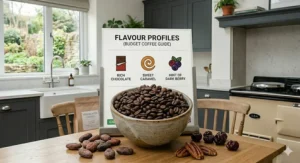
The British Coffee Budget Sweet Spot: Why £17-£19 Wins
After testing dozens of options across the price spectrum, the £17-£19 per kilogramme range emerges as the sweet spot for British households seeking bang for buck coffee. This isn’t arbitrary—it’s where genuine quality improvements meet diminishing returns.
Below £15 per kilo, you’re predominantly buying commodity-grade beans scoring under 80 on the Specialty Coffee Association (SCA) scale. According to the Specialty Coffee Association, only beans scoring 80 or above earn the designation “specialty grade,” meaning fewer than five defects per 350g sample and superior flavour profiles assessed by trained Q-Graders. These beans work fine as functional caffeine delivery but won’t impress anyone seeking flavour complexity. The roasting tends to be aggressive (hiding defects through char) and sourcing transparency disappears entirely.
Between £15-£20 per kilo, you enter specialty-grade territory where beans score 80+ on SCA assessments. This is where Lavazza, Spiller & Tait, and Brown Bear operate—delivering genuinely better beans with traceable origins, careful roasting, and consistent quality control. The improvement is noticeable to anyone drinking coffee regularly, particularly when using decent brewing equipment.
Above £25 per kilo, you’re paying for micro-lots, experimental processing methods, and artisanal marketing. For coffee enthusiasts genuinely passionate about cupping notes and terroir, this premium makes sense. For British households drinking 2-4 cups daily whilst juggling mortgages and energy bills, the quality improvement doesn’t justify doubling your coffee budget.
According to Which?, the UK’s most trusted consumer rights organisation, British coffee drinkers are increasingly prioritising value without sacrificing quality. Their independent testing consistently shows that mid-range coffee beans (£15-£20/kg) often outperform premium alternatives in blind taste tests, particularly for everyday drinking with milk.
The £17-£19 sweet spot also aligns with British shopping psychology. It’s affordable enough for regular purchase without guilt, yet premium enough that you feel you’re treating yourself properly. You’re not compromising due to budget constraints—you’re making an informed value decision that prioritises consistent quality over marketing hype.
Storage and Freshness: Making Budget Beans Last in British Kitchens
Even premium coffee affordable beans degrade rapidly if stored improperly, particularly in Britain’s damp climate. Here’s how to maximise freshness and flavour from your budget purchases.
The Humidity Challenge – British homes average 50-70% relative humidity, particularly during autumn and winter when central heating condenses moisture. Coffee beans are hygroscopic (they absorb moisture from air), which accelerates staleness and can even promote mould growth on poorly stored beans. This makes proper storage more critical in the UK than in drier climates like Australia or California.
Optimal Storage Method – Transfer beans from opened bags into airtight containers made from opaque materials (light degrades coffee). Glass jars look attractive but expose beans to light. Ceramic, stainless steel, or opaque plastic containers with rubber seals work brilliantly. Store containers in cool, dry cupboards away from ovens, dishwashers, or other heat sources. Room temperature (18-22°C) is ideal.
Refrigerator Controversy – Never refrigerate coffee beans. Refrigerators contain moisture and aromatic foods (onions, cheese) that beans will absorb, ruining flavour. The temperature fluctuations when removing beans for daily use cause condensation, accelerating degradation. This is terrible advice that persists despite universal expert consensus against it.
Freezer Storage for Bulk Buying – Freezing beans can work if executed properly. Divide bulk purchases into weekly portions in airtight freezer bags, removing as much air as possible. Freeze immediately after purchase. When needed, remove one portion and allow it to reach room temperature (30-60 minutes) before opening the bag. This prevents condensation. Only freeze once—repeated freeze-thaw cycles destroy quality. This approach makes sense if you’re bulk-buying during Amazon sales.
Grinding Fresh – If possible, grind beans immediately before brewing. Pre-ground coffee loses aromatics within 15-30 minutes. A basic £30-£50 burr grinder (Hario Mini Mill, Timemore C2) dramatically improves budget beans by ensuring maximum freshness. Even inexpensive beans taste significantly better when freshly ground compared to pre-ground premium alternatives.
Realistic Timelines – Opened bags remain excellent for 3-4 weeks if properly sealed and stored. Quality declines gradually after that, but beans remain perfectly drinkable for 6-8 weeks. If you’re a slow drinker (1 cup daily), consider buying 250g portions instead of 1kg bags, or freeze excess beans. For fast drinkers (3-4 cups daily), 1kg bags consumed within 3-4 weeks work perfectly without special precautions beyond basic airtight storage.
Common Mistakes When Buying Budget Coffee Beans in the UK
British coffee drinkers frequently make avoidable errors that waste money and compromise quality. Here’s what to watch for when selecting affordable specialty coffee.
Mistake 1: Ignoring Water Quality – The most common issue I observe is blaming beans for problems caused by water. British tap water varies enormously. Hard water (London, Birmingham, Yorkshire) makes acidic coffees taste sharp and thin. Very soft water (Scottish Highlands, parts of Wales) can make coffee taste flat and over-extracted. If every coffee you try tastes wrong, test your water hardness (simple test strips cost £5) and either filter it or choose beans suited to your local chemistry. Medium roasts with balanced acidity handle water variations better than light single-origins.
Mistake 2: Buying Based on Price Alone – The cheapest beans under £10/kg rarely deliver value. You’ll drink more coffee trying to achieve satisfaction, ultimately spending more whilst consuming excessive caffeine and feeling disappointed. The £17-£19 sweet spot delivers genuine value through better beans that require less volume to satisfy. Calculate cost-per-satisfying-cup rather than cost-per-kilo.
Mistake 3: Hoarding Bulk Purchases – Amazon’s Subscribe & Save discounts tempt bulk buying, but coffee degrades. Unless you’re consuming 1kg within 3-4 weeks or freezing portions properly, buying smaller quantities more frequently delivers better taste. That 15% Subscribe & Save discount is false economy if half your beans go stale.
Mistake 4: Expecting Instant Coffee Flavour – Transitioning from instant coffee to beans creates confusion. Instant coffee (particularly premium brands like Nescafé Azera) tastes nothing like brewed coffee. If you’re expecting that familiar instant flavour, proper beans will disappoint you. Give your palate 2-3 weeks to adjust. What initially tastes “weak” or “different” becomes satisfying as taste buds adapt to actual coffee rather than instant’s manufactured profile.
Mistake 5: Wrong Grind Settings – Using pre-ground coffee or grinding incorrectly for your brewing method ruins even excellent beans. Espresso requires fine grind, cafetière needs coarse grind, filter sits in between. Most disappointing “weak” coffee results from too-coarse grinding for the brewing method. Invest £30 in a basic burr grinder or experiment with your machine’s settings if using bean-to-cup equipment.
Mistake 6: Overlooking UK-Roasted Options – British roasters like Spiller & Tait, Grumpy Mule, and Brown Bear understand UK water chemistry and storage challenges better than Italian or American brands optimised for different conditions. Their beans often deliver better real-world results in British kitchens despite slightly higher pricing. Supporting UK roasters also means fresher beans (less shipping time) and supporting British employment.
Mistake 7: Judging by Crema Alone – Thick crema looks impressive but doesn’t guarantee quality. Robusta produces more crema than Arabica, but Arabica generally tastes better. Bean-to-cup machines often produce less crema than manual espresso, but the coffee can be equally delicious. Focus on flavour in the cup rather than Instagram-worthy aesthetics.
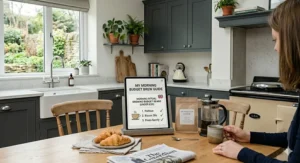
Budget Coffee Beans vs Premium Alternatives: The Honest Comparison
The British specialty coffee scene in 2026 offers unprecedented choice, from commodity beans at £8/kg to micro-lots at £40/kg. Understanding what premium pricing actually buys helps you spend wisely.
What £17-£19 Budget Beans Deliver:
- SCA scores typically 80-84 (specialty grade threshold)
- Traceable origins (country/region level)
- Consistent batch quality from established roasters
- Reliable flavour profiles you can depend on
- UK-compatible roasting for local water and conditions
- Proper packaging for British climate
- Sufficient quality for excellent home espresso and filter coffee
What £25-£35 Premium Beans Add:
- SCA scores typically 85-90+ (competition grade)
- Traceable to specific farms or cooperatives
- Experimental processing methods (natural, honey, carbonic maceration)
- Distinctive terroir characteristics
- Micro-batch roasting with precise profiling
- Roast dates within 1-2 weeks of delivery
- Detailed tasting notes and origin stories
What £35+ Luxury Beans Offer:
- SCA scores 90+ (exceptional, competition-winning beans)
- Single-estate traceability with named producers
- Rare varietals or unique processing
- Trophy beans from limited harvests
- Cupping notes validated by professional tasters
- Bragging rights and coffee geek credentials
For British households drinking coffee daily, the honest assessment is that premium coffee affordable beans in the £17-£19 range deliver 85-90% of the quality you’d get from £30+ alternatives. The final 10-15% improvement matters enormously to passionate enthusiasts who cup coffee professionally, but for everyday drinking whilst reading the morning papers or powering through work emails, budget options perform brilliantly.
The British Coffee Association notes that quality improvements democratise access whilst maintaining grower sustainability. Direct trade relationships at budget pricing mean farmers receive fair compensation without requiring consumers to pay £35 per kilo. Certification schemes like Fairtrade and Rainforest Alliance ensure ethical sourcing even on affordable beans.
Where premium beans genuinely shine: special occasions, pour-over brewing sessions where you’re focusing entirely on the coffee, impressing coffee-snob friends, or genuinely developing your palate through cupping different origins and processing methods. For daily ritual where coffee is part of the morning rather than the entire focus, budget beans deliver exceptional value.
Brewing Tips: Maximising Budget Beans in British Kitchens
Even quality coffee on budget beans benefit from proper brewing technique. Here’s how to extract maximum flavour using common UK equipment.
For Bean-to-Cup Machines (Sage, De’Longhi, Melitta): Most British households own automatic bean-to-cup machines requiring minimal technique. Use medium roast beans that aren’t excessively oily (Lavazza, Spiller & Tait work brilliantly). Clean the brew unit weekly to prevent rancid oil buildup that ruins flavour. Descale monthly if you’re in hard water areas—limescale affects extraction temperature and flow rate. Adjust grind settings finer if coffee tastes weak or watery, coarser if it tastes bitter or over-extracted. Most machines default to settings that work adequately but benefit from minor personalisation.
For Manual Espresso (Gaggia Classic, Sage Bambino, Barista Express): Budget beans can produce excellent espresso with proper technique. Use 18-20g of coffee for a double shot, aiming for 36-40g liquid output in 25-30 seconds. If extraction runs too fast (under 20 seconds), grind finer. If it’s too slow (over 35 seconds), grind coarser. Temperature matters: aim for 92-94°C brew temperature. Many budget machines run hotter, which causes bitterness. If your machine allows temperature adjustment, start at 93°C. Preheat portafilter and cup to avoid temperature shock that ruins extraction.
For Cafetière (French Press): This forgiving method works brilliantly with budget beans. Use coarse grind (like coarse sea salt). Ratio: 60-70g coffee per litre of water. Heat water to 94-96°C (just off the boil). Pour water evenly over grounds, stir gently after 1 minute, place lid (don’t press yet), steep for 3-4 minutes total, then press slowly. Don’t leave coffee in the cafetière after pressing—pour into a thermos to prevent over-extraction and bitterness.
For Filter/Pour-Over (V60, Chemex, Filter Machine): Medium grind (like granulated sugar). Ratio: 60-65g coffee per litre of water. Water temperature 92-96°C. For V60: wet filter, add grounds, pour 2x coffee weight in water (bloom for 30-45 seconds), then pour in circular motions maintaining steady flow. Total brew time 2.5-3.5 minutes. For filter machines: use paper filters, ensure water reservoir is clean, descale regularly. Budget beans work excellently in filter brewing—the method highlights sweetness and reduces body harshness.
For AeroPress: One of the best methods for budget beans, as it forgives minor quality defects whilst extracting maximum flavour. Inverted method: use fine-medium grind, 15-18g coffee, 200-220ml water at 85-92°C. Stir for 10 seconds, steep for 1-2 minutes, press slowly over 20-30 seconds. Experiment with temperature and time—AeroPress is remarkably forgiving. Add water to dilute if too strong (Americano-style).
Water Temperature Matters: British electric kettles boil vigorously (100°C), which is too hot for most coffee. Boiling water causes bitter over-extraction. After boiling, wait 30-60 seconds before brewing (brings temperature to ideal 92-96°C range). Better yet, invest in a variable-temperature kettle (£35-£60) for precise control.
The Sustainability Question: Affordable Beans and Ethical Sourcing
British consumers increasingly demand ethical sourcing, even when purchasing quality coffee on budget. Here’s what certification schemes actually mean for farmers and the environment.
Fairtrade Certification ensures minimum price guarantees for farmers regardless of market fluctuations, prohibits child labour, and mandates safe working conditions. The Fairtrade premium (additional payment beyond commodity pricing) funds community projects like schools and healthcare. Brands like Grumpy Mule and Cafédirect champion Fairtrade whilst maintaining budget-friendly UK pricing. This certification genuinely improves farmer livelihoods in developing regions.
Rainforest Alliance focuses on environmental sustainability and biodiversity protection. Farms must follow specific practices reducing deforestation, protecting water sources, and limiting pesticide use. Many budget beans (including Amazon House Blend and Lavazza varieties) carry Rainforest Alliance certification, indicating environmental responsibility without premium pricing.
Organic Certification guarantees synthetic pesticide and fertiliser-free cultivation. This benefits farmer health (reduced chemical exposure) and environmental quality (soil health, watershed protection). Organic beans cost slightly more (£1-3 extra per kilo) due to labour-intensive farming and certification costs, but several budget options like Grumpy Mule Peru Organic deliver certification under £20.
Direct Trade relationships (where roasters work directly with farmers) bypass intermediary exploitation whilst ensuring quality. British roasters like Spiller & Tait and Grumpy Mule emphasise direct relationships, paying above Fairtrade minimums whilst maintaining reasonable consumer pricing. This model works particularly well at smaller scale where roasters can verify practices personally.
The uncomfortable truth: extremely cheap coffee (under £10/kg) almost certainly involves exploitation somewhere in the supply chain. Coffee farming is labour-intensive, and poverty wages are common in commodity markets. Paying £17-£19 for certified beans isn’t charity—it’s recognising that sustainable farming requires fair compensation. Research from The Guardian’s sustainable business coverage highlights how ethical sourcing requirements have transformed the UK coffee market, with British consumers increasingly willing to pay modest premiums for certified beans.
British consumers should prioritise Fairtrade and Rainforest Alliance certifications when choosing budget beans. These aren’t marketing gimmicks—they’re independently verified programmes that genuinely improve farmer welfare and environmental outcomes. The premium coffee affordable category increasingly includes ethical sourcing as standard rather than optional extra.
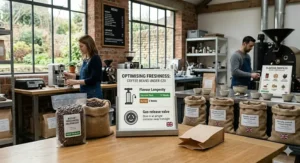
Frequently Asked Questions About Budget Coffee Beans UK
❓ Can you get good quality coffee beans for under £20 in the UK?
❓ How long do coffee beans stay fresh after opening in British climate?
❓ Do I need to buy expensive beans for bean-to-cup coffee machines?
❓ What's the best brewing method for budget coffee beans in the UK?
❓ Are coffee beans from Amazon UK as fresh as specialist roasters?
Conclusion: The Budget Coffee Revolution Continues
The British coffee market in 2026 has reached a remarkable inflection point where quality coffee on budget is no longer oxymoronic. The £17-£19 per kilogramme sweet spot delivers genuine specialty-grade beans to anyone with Amazon Prime and basic brewing equipment. What once required visiting artisanal cafés in Shoreditch or subscribing to premium roaster programmes now arrives at your doorstep within 24 hours for less than £20.
The seven options reviewed above represent the best of budget coffee currently available on Amazon UK. Lavazza Qualità Rossa and Crema e Aroma deliver Italian reliability and consistency. Brown Bear Real Colombian combines specialty-grade quality with charitable impact. Spiller & Tait Signature Blend showcases British roasting expertise optimised for UK conditions. Grumpy Mule High and Mighty brings Fairtrade ethics and Yorkshire boldness. Amazon House Blend provides entry-level quality for functional drinking. illy Classico offers premium Italian beans in clever packaging for freshness-focused buyers.
For most British households, the practical recommendation centres on the £17-£19 range where premium coffee affordable beans deliver 85-90% of what you’d get from alternatives costing twice as much. Calculate your monthly coffee spend: if you’re buying two takeaway coffees weekly, you’re spending £25-£30 monthly for mediocre results. Switching to budget beans with a £25 AeroPress or cafetière pays for itself within weeks whilst delivering superior coffee.
The democratisation of specialty coffee means you no longer sacrifice quality for affordability. British roasters understand our water chemistry, storage challenges, and realistic home brewing scenarios better than Instagram-famous alternatives. Support them when possible, but don’t feel guilty choosing Lavazza or illy—both deliver excellent value and support sustainable farming through established certification programmes.
What matters most isn’t the price per kilogramme but the ritual you create around your daily coffee. Whether that’s pulling perfect shots through a Gaggia whilst the house wakes up, or quietly brewing a cafetière whilst reading weekend papers, quality coffee on budget elevates ordinary moments into something rather more satisfying. At 40p per cup, that’s remarkably good value for daily pleasure.
Recommended for You
- 7 Best Value Coffee Beans UK 2026
- 7 Best Breakfast Blend Coffee Beans UK 2026
- Best Espresso Blend Beans UK 2026 – Top 7 Expert Picks
Disclaimer: This article contains affiliate links. As an Amazon Associate, I earn from qualifying purchases. If you purchase products through these links, we may earn a small commission at no additional cost to you.
✨ Found this helpful? Share it with your mates! 💬🤗
