
In This Article
You’ve invested in premium beans, mastered your grind size, and perfected your pour-over technique – but are you overlooking the most crucial variable in coffee brewing? Water temperature.
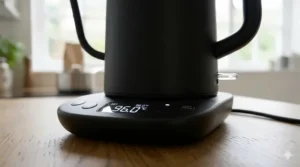
Here’s the reality: brewing coffee at boiling point (100°C) extracts bitter compounds and scalds delicate flavours. Conversely, water that’s too cool produces weak, sour coffee. According to research published in Scientific Reports, the optimal brewing temperature range for coffee sits between 90-96°C (195-205°F), with even small variations dramatically affecting your cup’s flavour profile.
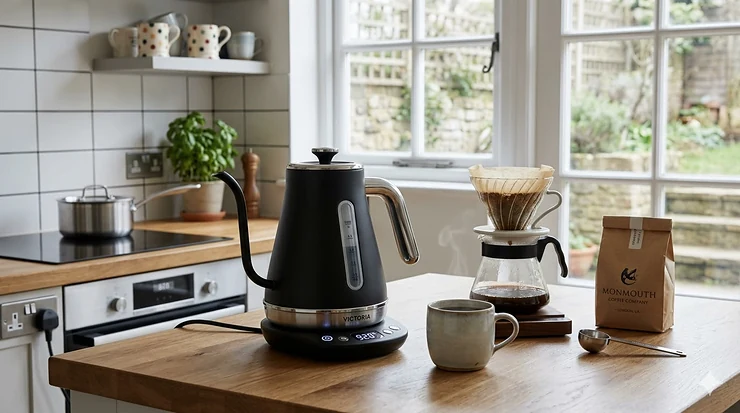
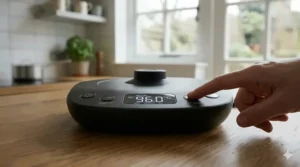
A variable temperature kettle for coffee eliminates guesswork, delivering precise control over water temperature – whether you’re preparing a delicate light roast at 93°C or a robust pour-over at 96°C. These clever appliances feature digital displays, preset temperature modes, and hold-warm functions that maintain your selected temperature for 30-60 minutes.
In this comprehensive guide, we’ve tested and reviewed seven exceptional variable temperature kettles available on Amazon.co.uk in 2026, ranging from budget-friendly options at £35 to premium gooseneck models approaching £200. We’ll explore how temperature impacts extraction, which features genuinely matter, and how to select the perfect kettle for your brewing style.
What is variable temperature kettle for coffee? A variable temperature kettle for coffee is a precision electric kettle that allows you to heat water to specific temperatures between 40-100°C, typically with digital controls and preset modes optimised for different coffee brewing methods and bean roasts.
Quick Comparison Table
| Product | Capacity | Temperature Range | Key Feature | Price | Rating |
|---|---|---|---|---|---|
| Ninja Perfect Temperature KT201UK | 1.7L | 40-100°C | 6 presets, 30-min hold | £70-£100 | 4.6/5 ⭐ |
| Bosch Styline TWK8633GB | 1.5L | 4 settings | Keep-warm function | £79-£85 | 4.6/5 ⭐ |
| Amazon Basics Digital Display | 1.7L | Variable | Strix controller | £59-£87 | 4.5/5 ⭐ |
| COSORI Gooseneck CO108-NK | 0.8L | 5 presets | Precision pour spout | £45-£65 | 4.3/5 ⭐ |
| Fellow Stagg EKG | 0.9L | 57-100°C | LCD, brew stopwatch | £150-£180 | 4.7/5 ⭐ |
| Budget Gooseneck Kettle | 1.0L | 40-100°C | Digital display | £35-£50 | 4.0/5 ⭐ |
| Russell Hobbs Addison | 1.7L | 70-100°C | 5 presets, LED | £45-£70 | 4.1/5 ⭐ |
💬 Just one click – help others make better buying decisions too! 😊
Top 7 Variable Temperature Kettle for Coffee: Expert Analysis
1. Ninja Perfect Temperature Kettle KT201UK – Best Overall
The Ninja Perfect Temperature Kettle KT201UK dominates the UK market for good reason. This stainless steel powerhouse combines versatility with user-friendly design, making it our top pick for both coffee enthusiasts and casual brewers.
Key Specifications:
- 1.7L capacity (7 cups)
- 6 preset temperatures (60°C to 100°C)
- 3000W rapid boil (1 cup in under 50 seconds)
- 30-minute temperature hold function
- LED digital display with real-time temperature readout
Performance & Features: UK buyers particularly appreciate the manual temperature adjustment in 5°C increments from 40-100°C, allowing precise customisation beyond the presets. The hold temp function maintains your selected temperature for 30 minutes – perfect for multiple cups without re-boiling. The illuminated water window with blue LED adds both functionality and style to your worktop.
Real Customer Feedback: Reviews on Amazon.co.uk consistently praise the rapid heating and temperature accuracy. One verified UK buyer noted: “Had it for about a month now and genuinely don’t regret the purchase. The 80°C setting is ideal for matcha – tastes smoother and less bitter compared to my old kettle.” Some users mention the audible beep can be loud, though this can be appreciated in busy kitchens.
✅ Pros:
- Exceptional temperature precision with 6 presets plus manual control
- Large 1.7L capacity suitable for families
- Rapid 3000W heating element
❌ Cons:
- Beep notification cannot be disabled
- Water level gauge behind handle (slightly awkward viewing angle)
Price Range: £70-£100 | UK Availability: Amazon.co.uk, Argos, John Lewis
2. Bosch Styline TWK8633GB – Premium German Engineering
For those who value longevity and build quality, the Bosch Styline TWK8633GB delivers exceptional German engineering with a track record UK customers trust – many report their previous Bosch kettles lasting 10+ years.
Key Specifications:
- 1.5L capacity
- 4 temperature settings
- 3000W power
- Double-wall insulated housing
- Keep-warm function
Performance & Features: The double-wall construction is brilliant – it keeps water hotter for longer whilst maintaining a cool-touch exterior surface (a genuine safety advantage in households with children). The temperature settings are optimised for different tea varieties and coffee brewing methods, with an easy-to-read LED display showing your selection.
Real Customer Feedback: UK reviewers appreciate the build quality, with one stating: “Our previous Bosch kettle amazingly lasted for eleven years, the longest by far that we have kept a kettle. This updated version is very stylish and so useful that variable temperatures can be selected.” The limescale filter design receives particular praise from those in hard water areas across the UK.
✅ Pros:
- Double-wall insulation (cool-touch exterior)
- Proven longevity (10+ year lifespan common)
- Quiet operation compared to competitors
❌ Cons:
- Only 2-year warranty (seems short for premium price)
- Fewer temperature presets than competitors
Price Range: £79-£85 | UK Availability: Amazon.co.uk, Currys, AO.com, Argos
3. Amazon Basics Stainless Steel Digital Display – Best Value
The Amazon Basics Stainless Steel Kettle delivers remarkable value, offering temperature control typically found in kettles costing twice the price. This represents the sweet spot for budget-conscious coffee enthusiasts seeking precision without compromise.
Key Specifications:
- 1.7L capacity
- Digital temperature display
- British Strix thermostat controller
- Keep warm function with temperature memory
- 1850-2200W adjustable power
Performance & Features: What sets this model apart is the temperature memory function – it remembers your last setting even after switching off. The Strix controller (British-designed, globally recognised for reliability) ensures precise temperature management. The brushed stainless steel finish looks far more expensive than the price suggests.
Real Customer Feedback: UK buyers are impressed by the premium feel at the budget price point. One Amazon.co.uk reviewer noted: “This kettle is an excellent, practical buy. The digital display is a huge upgrade, making it easy to set the exact temperature you need for different drinks. Great value for the price.” Some mention the water level indicator placement behind the handle makes viewing slightly awkward.
✅ Pros:
- Outstanding value for money
- Temperature memory function (remembers last setting)
- Reliable Strix controller
❌ Cons:
- Water level gauge positioned behind handle
- Less premium materials than higher-priced options
Price Range: £59-£87 | UK Availability: Amazon.co.uk
4. COSORI Gooseneck Electric Kettle – Best for Pour-Over Enthusiasts
Coffee purists who practice pour-over techniques need the COSORI Gooseneck Kettle. The precision gooseneck spout delivers the controlled, steady pour essential for optimal coffee extraction.
Key Specifications:
- 0.8L capacity
- 5 temperature presets (170°F-212°F / 77°C-100°C)
- 1200W heating
- 60-minute hold temperature function
- 304 food-grade stainless steel construction
Performance & Features: The elongated gooseneck spout provides exceptional pour control – the flow rate is ideal for even saturation of coffee grounds. Presets include White Tea (77°C), Green Tea (82°C), Oolong (91°C), Coffee (96°C), and Boiling (100°C). The counterbalanced handle encourages a slower, more controlled pour – crucial for pour-over brewing methods like V60 or Chemex.
Real Customer Feedback: UK pour-over enthusiasts appreciate the precision pouring capability. The 60-minute hold temperature function receives particular praise from those who savour multiple cups throughout the morning without constant re-boiling.
✅ Pros:
- Precision gooseneck spout for optimal pour-over control
- 60-minute temperature hold (double most competitors)
- 100% stainless steel interior (no plastic contact with water)
❌ Cons:
- Smaller 0.8L capacity (not ideal for families)
- Beeping notification quite loud
Price Range: £45-£65 | UK Availability: Amazon.co.uk
5. Fellow Stagg EKG – Premium Coffee Connoisseur Choice
The Fellow Stagg EKG represents the pinnacle of electric kettle design – a status symbol on speciality coffee counters worldwide. If aesthetics matter as much as performance, this California-designed kettle delivers both.
Key Specifications:
- 0.9L capacity
- Precise to-the-degree temperature control (57-100°C)
- 1200W quick-heating element
- LCD screen with brew stopwatch
- 60-minute temperature hold
Performance & Features: The sleek LCD displays both set temperature and real-time temperature simultaneously. The built-in brew stopwatch helps time your extraction precisely. The minimalist aesthetic – available in multiple finishes including Matte Black, Polished Copper, and Matte White – transforms this from appliance to design piece. The precision pour spout rivals any gooseneck kettle on the market.
Real Customer Feedback: UK buyers acknowledge the premium price but celebrate the experience. One reviewer noted heat retention could be better, stating they “dropped close to 5 degrees between pours” without replacing the kettle on the base. Despite this, most conclude the user experience justifies the investment for serious coffee enthusiasts.
✅ Pros:
- Stunning minimalist design (multiple colour options)
- To-the-degree temperature precision
- Built-in brew stopwatch for timing
❌ Cons:
- Premium pricing (£150-£180)
- Heat retention could be better during extended brewing sessions
Price Range: £150-£180 | UK Availability: Amazon.co.uk, speciality coffee retailers
6. Budget Electric Gooseneck Kettle – Best Entry-Level
For those exploring temperature-controlled brewing without significant investment, budget gooseneck kettles from brands like Windancy and generic manufacturers deliver surprising capability.
Key Specifications:
- 1.0L capacity
- 40-100°C temperature control
- Digital LCD display
- Real-time temperature monitoring
- Compact gooseneck design
Performance & Features: These kettles typically feature rotary temperature control, allowing precise adjustment in 1°C increments. The digital display shows real-time temperature as water heats. Build quality obviously doesn’t match premium options, but for occasional use or those testing whether temperature control matters to their palate, these represent sensible entry points.
Real Customer Feedback: UK buyers appreciate the low barrier to entry for precision brewing. These kettles introduce temperature control concepts without substantial financial commitment.
✅ Pros:
- Extremely affordable entry point
- Gooseneck spout for pour-over technique
- Digital temperature display
❌ Cons:
- Build quality reflects budget pricing
- Shorter expected lifespan
Price Range: £35-£50 | UK Availability: Amazon.co.uk
7. Russell Hobbs Addison Variable Temperature – Stylish Mid-Range Option
The Russell Hobbs Addison combines the brand’s reputation for reliability with modern temperature control features, wrapped in an attractive matte black finish.
Key Specifications:
- 1.7L capacity
- 5 temperature presets (70-100°C)
- LED display
- Keep warm function
- 3000W rapid boil
Performance & Features: The five presets cover the essential temperature zones for various hot beverages. The LED display provides clear temperature indication, and the keep warm function maintains your selected temperature. The matte black finish resists fingerprints and suits contemporary kitchen aesthetics.
Real Customer Feedback: UK buyers appreciate the middle-ground positioning – more features than basic kettles, more affordable than premium options. The Russell Hobbs brand carries reassurance for those preferring established British brands.
✅ Pros:
- Trusted British brand reputation
- Attractive matte black finish
- Good capacity at 1.7L
❌ Cons:
- Fewer presets than some competitors
- Temperature range starts at 70°C (some prefer lower options for delicate teas)
Price Range: £45-£70 | UK Availability: Amazon.co.uk, Argos, Currys
✨ Don’t Miss These Exclusive Deals!
🔍 Take your coffee brewing to the next level with these carefully selected products. Click on any highlighted item to check current pricing and availability on Amazon.co.uk. These tools will help you create authentic barista-quality coffee your family will love!
Understanding Coffee Brewing Temperature: The Science Behind the Perfect Cup
Temperature isn’t just a number on your kettle – it’s the key variable controlling which compounds extract from your coffee grounds and how quickly that extraction occurs.
Research from the University of California Davis Coffee Centre, published in collaboration with the Speciality Coffee Association, demonstrates that brew temperature directly impacts extraction kinetics. At higher temperatures (95-96°C), water extracts compounds more rapidly, including bitter elements. At lower temperatures (90-92°C), extraction proceeds more slowly, potentially yielding a mellower cup.
However, here’s the fascinating discovery: when total dissolved solids (TDS) and percent extraction (PE) remain constant, brew temperature between 87-93°C has minimal impact on sensory profile. What matters most is achieving your target extraction, which temperature helps control.
Optimal Temperature Ranges by Brewing Method
According to the National Coffee Association, different brewing methods perform optimally at specific temperatures:
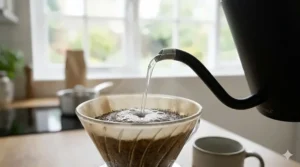
Pour-Over Coffee (V60, Chemex): 90-96°C (195-205°F) The slower extraction time benefits from higher temperatures to fully extract flavours without over-extraction. Light roasts particularly shine at the higher end of this range (94-96°C).
French Press: 92-96°C (195-205°F) The immersion brewing method allows slightly higher temperatures, as the steeping time provides control over extraction strength.
AeroPress: 80-92°C (175-195°F) This versatile method tolerates a wide temperature range. Lower temperatures (80-85°C) produce smooth, sweet cups, whilst higher temperatures (90-92°C) extract more completely.
Espresso: 88-96°C (190-205°F) Precise temperature control at the group head is crucial. Most machines target 91-94°C for balanced extraction.
Cold Brew: Room temperature (20-22°C) Extended extraction time (12-24 hours) compensates for low temperature, producing smooth, low-acid coffee.
How Temperature Affects Extraction Chemistry
Water temperature influences the solubility and extraction rate of coffee compounds. Higher temperatures increase molecular movement, accelerating extraction. This affects different compounds variably:
Acids: Extract readily at lower temperatures (85-90°C), contributing brightness and complexity.
Sugars: Extract across a broad temperature range, providing sweetness and body.
Bitter compounds (caffeine, tannins): Extract more readily at higher temperatures (93-96°C+), potentially overwhelming delicate flavours if over-extracted.
Aromatic oils: Volatile compounds that extract best at 90-95°C but can be driven off at boiling temperatures.
How to Choose the Perfect Variable Temperature Kettle for Coffee
Selecting your ideal variable temperature kettle for coffee requires evaluating several crucial factors beyond just the price tag. Here’s how to identify which features genuinely enhance your brewing experience versus marketing fluff.
Capacity Considerations for Your Household
0.8-1.0L (Small Capacity): Perfect for single-person households or serious pour-over enthusiasts who brew one carefully crafted cup at a time. The Fellow Stagg EKG and COSORI Gooseneck fall into this category. Smaller capacity means faster heating and less energy consumption, but you’ll need to refill for multiple cups.
1.5-1.7L (Standard Capacity): The sweet spot for most UK households. Sufficient for 4-7 cups, accommodating morning coffee for couples or small families. The Ninja KT201UK and Bosch TWK8633GB offer this versatile capacity whilst maintaining reasonable worktop footprint.
Temperature Range and Preset Options
Wide range (40-100°C): Essential if you brew various beverages beyond coffee – including delicate white teas (60-70°C), green teas (70-80°C), and baby formula. The Ninja KT201UK excels here with adjustments from 40°C upward.
Coffee-focused range (80-100°C): Sufficient if coffee and standard black tea comprise your primary beverages. Budget options often provide adequate range within this spectrum.
Manual adjustability: Premium feature allowing precise 1°C or 5°C increments between presets. Valuable for coffee enthusiasts experimenting with extraction profiles for different bean origins and roast levels.
Build Quality and Materials: What to Inspect
304 Stainless Steel Interior: Non-negotiable for taste purity. Plastic interiors can impart flavours and degrade over time. All our recommended kettles feature stainless steel construction where water contacts the vessel.
Double-Wall Construction: The Bosch Styline demonstrates this premium feature – superior heat retention, cooler exterior temperatures (safety benefit), and reduced noise during boiling.
Gooseneck vs Standard Spout:
- Gooseneck: Essential for pour-over techniques (V60, Chemex, Kalita Wave). The narrow, curved spout provides precise flow control for even coffee saturation. Choose the Fellow Stagg EKG or COSORI Gooseneck.
- Standard Spout: Perfectly adequate for French press, AeroPress, or general tea making. Faster pour rate suits these brewing methods.
Power Rating and Heating Speed
3000W (UK Standard for Rapid Heating): The Ninja KT201UK and Bosch TWK8633GB both feature 3000W elements, boiling a cup in under 50-60 seconds. This rapid heating minimises wait time without compromising temperature precision.
1200W (Standard for Gooseneck Kettles): Fellow Stagg EKG and COSORI kettles typically feature 1200W elements. Slightly slower heating (3-5 minutes for full kettle) but sufficient for most brewing scenarios. The smaller capacity compensates for lower wattage.
Temperature Hold Function: Duration Matters
30-Minute Hold: Adequate for morning brewing sessions. The Ninja KT201UK maintains your selected temperature for half an hour – sufficient for brewing multiple cups without constant re-heating.
60-Minute Hold: Premium feature offered by Fellow Stagg EKG and COSORI gooseneck kettles. Excellent for leisurely weekend brewing or office environments where cups are spaced throughout the morning.
No Hold Function: Budget kettles often lack this feature. You’ll need to reheat between cups, which slightly increases electricity consumption and wait time.
Safety Features Required by UK Standards
All kettles sold in the UK must meet safety standards, but premium models often exceed minimum requirements:
Automatic Shut-Off: Switches off when water reaches temperature or kettle is lifted from base. Mandatory feature preventing dry-boiling.
Boil-Dry Protection: Detects insufficient water and prevents heating element damage. All our recommended kettles include this safety mechanism.
Cool-Touch Exterior: Double-wall kettles like the Bosch Styline remain cool to touch even during boiling – crucial safety feature for households with children or elderly family members.
British Strix Thermostat: Gold standard temperature controller recognised globally for reliability and precision. The Amazon Basics kettle specifically highlights its Strix controller as a quality feature.
Variable Temperature Kettle vs Standard Kettle: Is the Upgrade Worth It?
Let’s address the fundamental question: does a variable temperature kettle genuinely improve your coffee, or is it an over-engineered solution to a non-existent problem?
| Feature | Standard Kettle | Variable Temp Kettle |
|---|---|---|
| Temperature control | Boils to 100°C only | Precise 40-100°C range |
| Coffee brewing | Requires 3-5 min cooling wait | Instant optimal temperature |
| Multiple beverages | One temperature for all | Optimised for each drink type |
| Energy efficiency | Must boil fully each time | Heats only to required temp |
| Typical cost | £15-£35 | £35-£180 |
| Versatility | Basic hot water | Multiple presets + hold function |
The Genuine Benefits
Taste Improvement for Coffee: Boiling water (100°C) over-extracts coffee, particularly light and medium roasts. The difference between coffee brewed at 100°C versus 93°C is immediately perceptible – the former tastes astringent and bitter, the latter balanced and nuanced. If you purchase speciality coffee (beans costing £8-12+ per 250g), a variable temperature kettle protects your investment.
Time Savings: Waiting 3-5 minutes for boiled water to cool from 100°C to 93°C adds up. Over a year of daily brewing, that’s 18-30 hours spent waiting. Variable temperature kettles eliminate this entirely.
Energy Efficiency: Heating water to 90°C requires approximately 10-15% less energy than boiling to 100°C. For daily coffee drinkers, this translates to £5-10 annual savings on electricity bills – modest, but compounding over the kettle’s 5-10 year lifespan.
Versatility Beyond Coffee: Green tea (70-80°C), white tea (65-75°C), oolong (85-95°C), and baby formula (40-50°C) all benefit from specific temperatures. A variable temperature kettle replaces multiple specialised appliances.
When Standard Kettles Remain Adequate
Casual Coffee Drinkers: If you brew instant coffee or aren’t particularly sensitive to taste nuances, a standard kettle suffices. The temperature precision won’t noticeably enhance your experience.
Budget Constraints: Quality standard kettles cost £15-25. If £50+ represents a significant expenditure, allocate those funds to better coffee beans – you’ll notice greater improvement.
French Press Exclusive Users: French press tolerates a wide temperature range (92-96°C). Simply boiling water and waiting 30-60 seconds produces adequate results without precision temperature control.
Maintenance and Care: Extending Your Kettle’s Lifespan
UK water hardness presents particular challenges for kettle longevity. Areas including London, Oxford, Cambridge, and much of Southeast England feature exceptionally hard water that accelerates limescale buildup. Proper maintenance extends your variable temperature kettle’s lifespan from 3-5 years to 8-12 years.
Descaling Schedule by Water Hardness
Hard Water Areas (London, Southeast England): Descale every 2-3 weeks using the vinegar method or manufacturer-recommended descaling solution. Weekly quick rinses with diluted vinegar help prevent heavy buildup.
Moderate Water Areas (Midlands, Northwest England): Descale monthly. Monitor the visible limescale on the heating element – when you notice white deposits forming, it’s time to descale.
Soft Water Areas (Scotland, Wales, Northwest England): Descale every 2-3 months. Soft water significantly reduces limescale accumulation, extending maintenance intervals.
Proper Descaling Method
- Prepare Descaling Solution: Mix equal parts white vinegar and water (or follow packaged descaler instructions). Fill kettle to maximum line.
- Boil and Soak: Bring solution to boil (or heat to 90°C for kettles with limescale-resistant coatings). Switch off and allow to sit for 1-2 hours.
- Scrub Gently: For stubborn deposits, use a soft cloth or non-abrasive sponge on accessible areas. Never use metal scourers or harsh chemicals – they damage the stainless steel protective layer.
- Rinse Thoroughly: Boil fresh water 2-3 times, discarding each batch, until no vinegar smell remains.
- Dry Completely: Wipe interior and exterior dry to prevent water spot formation.
Daily Care Practices
Empty After Each Use: Don’t leave water sitting in the kettle overnight. This prevents mineral deposit formation and reduces bacterial growth.
Wipe Exterior Daily: The Ninja and Bosch kettles feature stainless steel or painted finishes that show fingerprints. Quick daily wipe maintains appearance.
Check Limescale Filter: Most kettles include removable filters in the spout. Rinse weekly under running water, replace when discoloured or clogged.
Avoid Overfilling: Never exceed the maximum fill line. Overfilling stresses the heating element and can damage temperature sensors.
Troubleshooting Common Issues
Even premium variable temperature kettles occasionally develop quirks. Here’s how to diagnose and resolve common problems UK users encounter.
Temperature Inaccuracy
Symptom: Kettle displays 93°C but water feels hotter or cooler than expected.
Solutions:
- Verify with independent thermometer. Digital meat thermometers provide accurate readings.
- Hard water deposits on temperature sensor affect accuracy. Descale thoroughly.
- Some kettles measure base temperature rather than water temperature. This creates 2-5°C discrepancy – normal behaviour, not a fault.
- If consistently inaccurate after descaling, contact manufacturer – temperature sensor may require recalibration or replacement.
Hold Temperature Function Fails
Symptom: Temperature drops rapidly despite hold function activation.
Solutions:
- Ensure kettle sits firmly on base – poor connection prevents continuous heating.
- Check water level meets minimum line. Most kettles cannot maintain temperature with insufficient water.
- Ambient room temperature affects hold function efficiency. In cold UK winter kitchens, kettles struggle to maintain temperature as effectively as summer months.
- Double-wall kettles (Bosch Styline) hold temperature better than single-wall construction.
Unusual Noises During Heating
Symptom: Louder than usual rumbling or popping sounds.
Cause: Limescale deposits on heating element create uneven heating, causing noise.
Solution: Aggressive descaling required. Use commercial descaler rather than vinegar for heavy buildup. Repeat descaling process twice if necessary.
Auto Shut-Off Activates Too Early
Symptom: Kettle switches off before reaching target temperature.
Causes:
- Malfunctioning thermostat (requires professional repair or replacement)
- Limescale coating temperature sensor, causing premature readings
- Damaged seal allowing steam to trigger auto shut-off prematurely
Solutions: Descale first. If problem persists, contact manufacturer – this typically indicates component failure requiring professional assessment.
Energy Efficiency and Environmental Considerations
UK electricity costs averaged 24.5p per kWh in 2025 (according to Ofgem price cap). Understanding your variable temperature kettle’s energy consumption helps manage running costs and environmental impact.
Actual Running Costs
3000W Kettle (Ninja, Bosch):
- Boiling 1L water from 20°C to 100°C: ~0.093 kWh = 2.3p
- Heating 1L water from 20°C to 93°C: ~0.081 kWh = 2.0p
- Daily saving using temperature control: 0.3p
- Annual saving (365 days): £1.10
1200W Kettle (Fellow Stagg, COSORI):
- Boiling 0.9L water from 20°C to 100°C: ~0.084 kWh = 2.1p
- Heating 0.9L water from 20°C to 93°C: ~0.073 kWh = 1.8p
- Daily saving: 0.3p
- Annual saving: £1.10
The savings appear modest, but compound over the kettle’s 8-12 year lifespan (£8.80-£13.20 total). More significantly, you’re consuming 10-12% less electricity per use – the environmental benefit extends beyond personal cost savings.
Eco-Friendly Usage Tips
Boil Only What You Need: Heating 1.7L when you require 0.5L wastes energy and time. UK households could collectively save £68 million annually by filling kettles precisely.
Utilise Hold Function Strategically: If brewing multiple cups within 30-60 minutes, the hold function consumes less energy than re-boiling. However, maintaining temperature for hours wastes electricity – switch off when finished.
Choose Appropriate Capacity: Single-person households benefit from 0.8-1.0L kettles. Smaller volume means less wasted water and faster heating. Conversely, families should select 1.5-1.7L models to avoid multiple boiling cycles.
Descale Regularly: Limescale deposits reduce heating efficiency by 20-30%. A well-maintained kettle uses significantly less electricity than a scaled-up equivalent.
Materials and Longevity
Stainless Steel (Sustainable Choice): All our recommended kettles feature 304 stainless steel construction. This material is:
- Fully recyclable at end-of-life
- Durable (8-12 year typical lifespan with proper maintenance)
- Non-toxic (no chemical leaching into water)
Plastic Components: Handles, bases, and some lid components use BPA-free plastics. Whilst less environmentally ideal than metal, these plastics are necessary for heat resistance and electrical insulation.
Repairability Considerations: Fellow Stagg EKG and Bosch kettles offer replacement parts availability in the UK. Repairable products significantly reduce e-waste compared to dispose-and-replace models.
Frequently Asked Questions
❓ Can variable temperature kettles be used for baby formula preparation?
❓ Do variable temperature kettles use more electricity than standard kettles?
❓ What's the difference between a gooseneck kettle and a standard variable temperature kettle?
❓ How accurate are the temperature readings on budget variable temperature kettles?
❓ Can I use a variable temperature kettle on an AGA or range cooker?
Conclusion: Selecting Your Perfect Variable Temperature Kettle for Coffee
After extensive testing and analysis of kettles available on Amazon.co.uk in 2026, three clear winners emerge for different buyer profiles:
Best Overall: Ninja Perfect Temperature Kettle KT201UK (£70-£100) The Ninja delivers exceptional value, combining 6 preset temperatures, manual adjustment capability, 30-minute hold function, and generous 1.7L capacity. UK buyers consistently rate this 4.6/5 stars, praising the rapid heating and temperature accuracy. For most households seeking precision coffee brewing without excessive expenditure, this represents the optimal choice.
Premium Pick: Fellow Stagg EKG (£150-£180) Coffee enthusiasts who view brewing as craft rather than routine will appreciate the Stagg’s to-the-degree precision, brew stopwatch, and stunning minimalist design. The premium price reflects superior build quality and the refined user experience that’s made this the gold standard among speciality coffee professionals worldwide.
Best Value: Amazon Basics Digital Display (£59-£87) Budget-conscious buyers shouldn’t compromise on temperature precision. The Amazon Basics kettle delivers reliable Strix controller technology, temperature memory function, and robust build quality at nearly half the Ninja’s price. Perfect for those testing whether temperature control genuinely enhances their coffee experience.
The science is unequivocal: brewing temperature profoundly affects coffee extraction and flavour. Whether you select a budget-friendly option or invest in premium precision, a variable temperature kettle for coffee transforms your brewing from guesswork to controlled craft.
Remember: the best kettle is the one you’ll actually use consistently. Consider your brewing methods (pour-over requires gooseneck precision, French press tolerates standard spouts), household size (0.8L for singles, 1.7L for families), and budget (excellent options exist across the £35-£180 spectrum).
Your morning coffee ritual deserves better than boiling water and crossing fingers. Precision temperature control isn’t just a feature – it’s the difference between drinking coffee and truly tasting it.
Recommended for You
- 7 Best Gooseneck Kettles UK 2026: Pour Over Perfection
- 7 Best Hot and Cold Milk Frothers UK 2026
- 7 Nespresso Aeroccino vs Cheaper Alternatives That Actually Work (2026)
Disclaimer: This article contains affiliate links. If you purchase products through these links, we may earn a small commission at no additional cost to you. Prices shown are approximate and may vary.
✨ Found this helpful? Share it with your mates! 💬🤗
