

In This Article
Ah, the bean to cup machine — that gleaming countertop marvel that promises café-quality coffee without the barista attitude or the £4.50 price tag. You’ve made the investment, and now you’re standing in the coffee aisle (or scrolling through Amazon at midnight) wondering which beans will actually do justice to your shiny new machine.
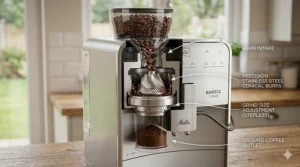
Here’s the thing: your bean to cup coffee machine is only as good as the beans you feed it. Chuck in some stale supermarket rubbish, and you’ll get a cup that tastes like disappointment. But choose wisely, and you’ll wonder why you ever bothered queuing at Costa.
I’ve spent the better part of a month testing coffee beans for bean to cup machine setups, from budget-friendly blends to premium single origins. Whether you’re running a De’Longhi Magnifica, a Jura, or a Sage, this guide will help you find beans that’ll make your machine sing. We’ll explore whole bean coffee for automatic machines, discuss why fresh beans matter, and reveal which options deliver the best bang for your pound.
Quick Comparison Table: Top Coffee Beans at a Glance
| Coffee Bean | Roast Type | Bean Type | Price (1kg) | Best For | Intensity |
|---|---|---|---|---|---|
| Lavazza Qualità Oro | Medium | 100% Arabica | £14-£18 | Everyday drinking | 5/10 |
| illy Classico | Medium | 100% Arabica | £24-£28 | Premium quality | 5/9 |
| Lavazza Super Crema | Dark | Arabica/Robusta (60/40) | £12-£16 | Milk-based drinks | 7/10 |
| Grind House Blend | Medium | 100% Arabica | £18-£22 | Filter & espresso | Medium |
| Lavazza Crema e Aroma | Medium | Arabica/Robusta | £11-£15 | Value option | 8/10 |
| Kimbo Caffè Crema | Light | Arabica/Robusta | £13-£17 | Italian style | 7/10 |
| Rounton Granary Blend | Medium | 100% Arabica | £16-£20 | Speciality coffee | Medium |
💬 Just one click – help others make better buying decisions too! 😊
Top 7 Coffee Beans for Bean to Cup Machine: Expert Analysis
1. Lavazza Qualità Oro – The Everyday Champion
If there’s one bag of beans that represents “safe bet” in the bean to cup world, it’s Qualità Oro. This medium-roasted 100% Arabica blend has been a staple in Italian households for decades, and there’s a bloody good reason why.
Key Specifications:
- 100% Arabica beans from Central and South America
- Medium roast with intensity 5/10
- Available in 250g, 500g, and 1kg bags
The flavour profile sits comfortably in that sweet spot between interesting and approachable — fruity notes with a hint of floral character, but nothing that’ll scare off your mother-in-law. UK buyers consistently praise its performance in bean to cup machines, noting the non-oily beans don’t clog grinders and produce a lovely golden crema.
At around £14-£18 per kilogram on Amazon.co.uk, it’s neither the cheapest nor the priciest option. One customer mentioned using it daily in their Jura machine for over a year without issue, which speaks volumes about consistency.
✅ Pros:
- Clean beans that won’t gunk up your grinder
- Versatile for both black coffee and milk drinks
- Widely available with consistent quality
❌ Cons:
- May taste too mild for dark roast enthusiasts
- Premium price compared to supermarket brands
Perfect for: Those wanting reliable, crowd-pleasing coffee without breaking the bank or their machine.
2. illy Classico – Premium Italian Excellence
When you want to impress (or just treat yourself), illy Classico steps up. This is the coffee that turns up in posh hotels and makes you think “why does this taste so much better than mine?”
Key Specifications:
- 100% Arabica blend from 9 different origins
- Medium roast (Intensity 5/9)
- Pressurised tin packaging for freshness
What sets illy apart is their obsessive quality control — reportedly 114 quality checks from green bean to sealed tin. The result? A remarkably consistent cup with notes of caramel, orange blossom, and jasmine. It’s smooth, balanced, and never bitter.
UK reviewers mention the distinctive pressurised tin (handle with care — it pops on first opening), which keeps beans fresh for months. At £24-£28 per kilogram, you’re paying a premium, but the quality justifies it for special occasions or if you’re particularly fussy.
✅ Pros:
- Exceptional quality and consistency
- Sophisticated flavour profile
- Excellent packaging preserves freshness
❌ Cons:
- Pricey compared to alternatives
- Some find the tin packaging wasteful
Perfect for: Coffee connoisseurs who appreciate nuanced flavours and are willing to pay for quality.
3. Lavazza Super Crema – The Milk Drink Maestro
If your bean to cup machine spends most of its time churning out lattes and cappuccinos, Lavazza Super Crema might just be your new best mate. This Arabica-Robusta blend (60/40) is specifically designed to cut through milk.
Key Specifications:
- 60% Arabica, 40% Robusta beans
- Dark roast
- Intensity 7/10
The Robusta content gives it the body and crema that milk-based drinks demand, whilst the Arabica keeps it from tasting like battery acid. UK customers rave about the thick, long-lasting crema — that beautiful tan foam that makes your flat white look Instagram-worthy.
Priced at £12-£16 per kilogram, it offers brilliant value for daily drinking. One Amazon reviewer mentioned switching from their usual blend and immediately noticing the difference in their cappuccinos — “proper coffee shop quality” was the verdict.
✅ Pros:
- Exceptional crema production
- Perfect for milk-based beverages
- Great value for money
❌ Cons:
- Too strong for some when drunk black
- Robusta content may not appeal to purists
Perfect for: Latte lovers who want café-quality milk drinks at home without the café prices.
4. Grind House Blend – London’s Speciality Offering
Grind House Blend brings that Shoreditch coffee shop vibe into your kitchen. Roasted fresh in London and packed in compostable bags, it’s for those who care about both flavour and sustainability.
Key Specifications:
- 100% Arabica speciality-grade beans
- Medium roast
- Freshly roasted in London
This blend combines Brazilian and Colombian beans for a smooth, sweet signature coffee that works brilliantly in bean to cup machines. The speciality-grade designation means these beans score over 80 points on the Specialty Coffee Association’s 100-point scale — proper quality stuff.
At £18-£22 per kilogram on Amazon.co.uk, you’re paying for freshness and ethical sourcing. UK buyers appreciate that it’s roasted to order, meaning your beans arrive within days of roasting. The compostable packaging is a nice touch for environmentally conscious coffee drinkers.
✅ Pros:
- Speciality-grade quality
- Freshly roasted
- Sustainable packaging
❌ Cons:
- Higher price point
- May be too light for dark roast fans
Perfect for: Those who want speciality coffee without visiting hipster cafés or learning latte art.
5. Lavazza Crema e Aroma – The Budget Workhorse
Not everyone wants to spend £20 on coffee beans, and that’s where Lavazza Crema e Aroma earns its place. This is the value option that doesn’t taste like a value option.
Key Specifications:
- Arabica and Robusta blend
- Medium roast
- Intensity 8/10
It’s designed for bean to cup machines and delivers a balanced cup with chocolate notes and a creamy texture. The blend works particularly well for milk-based recipes, creating that coveted long-lasting crema without costing a fortune.
UK customers on Amazon frequently mention the consistency — “same great taste every time” appears repeatedly in reviews. At £11-£15 per kilogram, it’s proper everyday coffee that won’t make you wince when you check your bank balance.
✅ Pros:
- Excellent value for money
- Reliable quality
- Great for daily consumption
❌ Cons:
- Less complex flavour than premium options
- May be too intense for some
Perfect for: Families or heavy coffee drinkers who need quality without the premium price tag.
6. Kimbo Caffè Crema Classico – Authentic Neapolitan Character
For a proper Italian espresso experience, Kimbo Caffè Crema Classico brings Neapolitan roasting tradition to your kitchen. This light-roasted blend has been crafted in Naples since 1963.
Key Specifications:
- Arabica and Robusta blend from South America and Asia
- Light roast
- Intensity 7/10
The light roast brings out distinct notes of cinnamon and dates, with a spicy aroma that’s quintessentially Italian. Despite the lighter roast, it maintains a powerful flavour (intensity 7) that’s rounded and smooth. UK customers appreciate its versatility — works brilliantly in fully automatic machines for both straight espresso and cappuccinos.
Priced at £13-£17 per kilogram, it sits comfortably in the middle ground. The beans are ideal for those who want authentic Italian coffee without the very dark, bitter roasts that some traditional Italian brands offer.
✅ Pros:
- Authentic Italian flavour profile
- Versatile for all coffee types
- Well-balanced despite intensity
❌ Cons:
- Light roast may surprise those expecting traditional dark Italian beans
- Less widely available than Lavazza
Perfect for: Those seeking genuine Italian coffee character with a modern, approachable profile.
7. Rounton Coffee Granary Blend – Yorkshire’s Finest
Rounton Coffee Granary Blend represents the growing UK speciality coffee movement. Roasted in Yorkshire, these beans bring proper craft coffee credentials to your automatic machine.
Key Specifications:
- 100% Arabica speciality beans
- Medium roast
- Freshly roasted in Yorkshire
This blend showcases chocolate, caramel, and pecan notes with a smoothness that makes it perfect for all-day drinking. UK Amazon reviewers consistently mention the freshness — beans often arrive within days of roasting, which makes a noticeable difference to flavour.
At £16-£20 per kilogram, you’re supporting a small British roaster whilst getting speciality-grade quality. The beans work beautifully in bean to cup machines, producing a clean cup without the oiliness that can plague some darker roasts.
✅ Pros:
- Incredibly fresh beans
- Supporting UK small business
- Speciality-grade quality
❌ Cons:
- Premium price
- Availability can vary
Perfect for: Those wanting to support British roasters whilst enjoying café-quality coffee at home.
Understanding Bean to Cup Coffee Machines
Bean to cup machines have revolutionised home coffee making in the UK over the past decade. These clever devices combine a grinder, brewing unit, and often a milk frother into one compact unit, promising café-quality coffee at the press of a button.
The magic happens in seconds: whole beans drop into the integrated grinder, which grinds them fresh for each cup. The ground coffee then passes through a brewing chamber where hot water extracts the flavours under pressure, creating espresso-based drinks that rival your local coffee shop. According to Wikipedia’s comprehensive guide to espresso machines, modern automatic systems use sophisticated pump mechanisms to achieve the 9-bar pressure essential for proper extraction.
Modern bean to cup machines from brands like De’Longhi, Sage, Jura, and Siemens have become remarkably sophisticated. Many feature customisable settings for grind size, water temperature, coffee strength, and milk texture. Some even have dual bean hoppers, letting you switch between regular and decaf without mixing.
According to industry data, the UK bean to cup market has grown significantly as café prices have soared. When a high street flat white costs £4-£5, investing in a machine that produces similar quality for pennies per cup makes financial sense. The key to success? Quality beans that complement your machine’s capabilities.
Why Fresh Beans Matter for Automatic Coffee Machines
Here’s a truth that coffee aficionados bang on about (and they’re actually right): freshness matters enormously. Coffee begins losing flavour the moment it’s roasted, with peak taste occurring between 6 and 30 days after roasting.
Pre-ground coffee? Even worse. Once beans are ground, they oxidise rapidly, losing aromatic compounds within hours. This is why bean to cup machines exist — grinding immediately before brewing preserves those delicate flavours that make coffee worth drinking.
The Specialty Coffee Association recommends consuming coffee within one month of roasting for optimal flavour. In practice, most decent beans remain enjoyable for up to three months if stored properly in an airtight container away from light, heat, and moisture.
When buying whole bean coffee for automatic machines, check for roast dates on the packaging. Avoid beans without this information — they could be months old. UK roasters like Grind, Rounton, and other speciality brands typically roast to order, ensuring maximum freshness upon delivery.
Arabica vs Robusta: What Works Best?
The eternal coffee debate: Arabica or Robusta? For bean to cup machines, the answer often lies somewhere in between.
Arabica beans (representing about 60% of global production) grow at higher altitudes and offer more complex, nuanced flavours. They’re naturally sweeter with pleasant acidity, featuring notes ranging from fruity and floral to chocolatey and nutty. According to botanical research on coffee cultivation, Arabica plants thrive at elevations between 600-2,000 metres, where cooler temperatures slow cherry maturation and develop more complex flavours. Most speciality coffee uses 100% Arabica for this reason.
Robusta beans contain nearly double the caffeine of Arabica, giving them a stronger, more bitter taste with earthy, woody notes. They also produce more crema — that gorgeous tan foam atop espresso. Robusta beans are hardier, cheaper to produce, and add body to blends.
For automatic coffee machine beans, many Italian brands use Arabica-Robusta blends (typically 70/30 or 60/40). This combination delivers the flavour complexity of Arabica with the body, crema, and caffeine kick of Robusta. It’s particularly effective for milk-based drinks where you need coffee strong enough to cut through dairy.
Pure Arabica works brilliantly if you prefer black coffee or appreciate subtle flavours. Blends with some Robusta excel for lattes, cappuccinos, and those mornings when you need a proper caffeine hit.
Roast Levels and Your Bean to Cup Machine
Roast level dramatically affects your coffee’s final taste, and bean to cup machines respond differently to various roasts.
Light roasts preserve the bean’s original characteristics and acidity, showcasing origin flavours. They’re brilliant for speciality single-origin coffees but can taste weak in automatic machines if your settings aren’t dialled in perfectly.
Medium roasts hit the sweet spot for most bean to cup machines. They balance origin character with developed flavours from roasting, producing chocolate and caramel notes alongside brighter fruit notes. Medium roasts grind consistently and extract reliably in automatic machines.
Dark roasts develop bold, smoky flavours with less acidity. However, very dark roasts can be problematic in bean to cup machines — the oils coating the beans may clog grinders over time. If you prefer dark roasts, choose ones that aren’t overly oily.
For super-automatic espresso beans, medium to medium-dark roasts typically perform best. They’re forgiving with extraction times, produce good crema, and maintain consistent flavour whether you’re making a ristretto or an Americano.
UK roasters increasingly offer “omni-roast” beans designed to work across multiple brewing methods, including bean to cup machines. These versatile roasts extract well at various temperatures and grind sizes, making them ideal if you’re still experimenting with your machine’s settings.
How to Choose the Right Coffee Beans
Selecting coffee beans for Jura machines (or any bean to cup machine) involves balancing personal preference with practical considerations.
Step 1: Determine Your Drinking Style
Do you primarily drink black coffee or milk-based beverages? Black coffee drinkers benefit from 100% Arabica beans with complex flavours, whilst milk drink enthusiasts should consider blends with some Robusta for body and strength.
Step 2: Consider Roast Preference
Start with medium roasts — they’re the most versatile. Once you’ve established a baseline, experiment with lighter or darker options based on taste.
Step 3: Check Freshness
Look for roast dates on packaging. Buy from roasters who date their products and consume within three months of roasting for best results.
Step 4: Read Reviews from UK Bean to Cup Users
Amazon UK reviews often mention specific machines. Search for comments from users with your machine model to see how beans perform in similar setups.
Step 5: Buy Small Quantities Initially
Purchase 250g or 500g bags when trying new beans. Once you find your favourites, stock up with 1kg bags for better value.
Step 6: Store Properly
Keep beans in an airtight container away from light, heat, and moisture. The original bag usually works fine if resealed properly. Freezing beans is controversial but can extend freshness if done correctly (vacuum-sealed portions).
Step 7: Experiment and Refine
Coffee preference is personal. Don’t be afraid to try different origins, roasts, and blends until you find what works for your palate and machine.
Speciality Coffee vs Commercial Blends
The speciality coffee movement has transformed how Brits think about coffee. But what actually distinguishes speciality beans from commercial alternatives?
Speciality coffee refers to beans scoring 80+ points on the Specialty Coffee Association’s 100-point grading scale. This scoring evaluates numerous factors including acidity, body, flavour, aftertaste, and defects. Only about 5% of global coffee production qualifies as speciality grade.
These beans come from specific regions (often single estates), grown at optimal altitudes with careful processing. They’re roasted in smaller batches to highlight unique characteristics rather than masked with dark roasting. The result? Coffee with distinct flavour notes you can actually taste.
Commercial blends, by contrast, prioritise consistency and cost-effectiveness. They often use Grade 2 or 3 beans, roasted darker to create uniform flavour across varying bean qualities. This isn’t necessarily bad — consistency has value, especially at £11-£15 per kilogram.
For bean to cup coffee recommendations, both have their place. Speciality beans shine when you want to explore different origins and flavours. Commercial blends work brilliantly for daily drinking when you need reliable, affordable quality. Many UK coffee lovers keep both: speciality for weekends, commercial for weekday mornings.
The beauty of bean to cup machines is they handle both equally well. Experiment with speciality options like Grind or Rounton, then compare against established commercial blends from Lavazza or illy. Your taste buds (and wallet) will guide the decision.
Bean Origin and Flavour Profiles
Coffee beans from different regions develop distinct characteristics based on soil, altitude, climate, and processing methods. Understanding these profiles helps select fresh bean coffee makers that’ll deliver flavours you enjoy. Research from the International Coffee Organization demonstrates how terroir—the combination of geography, geology, and climate—fundamentally shapes coffee flavour profiles across producing regions.
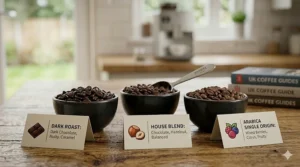
South American beans (particularly Brazilian and Colombian) typically offer chocolatey, nutty notes with medium body. They’re sweet, approachable, and work beautifully in blends. Brazil produces more coffee than any other country, making it the backbone of many commercial blends.
Central American beans (Guatemala, Costa Rica, Honduras) tend toward brighter acidity with apple, citrus, and caramel notes. They’re clean, crisp, and excellent for morning coffee.
African beans (especially Ethiopian and Kenyan) showcase fruity, floral characteristics with wine-like acidity. Ethiopian coffee often features blueberry, jasmine, or bergamot notes — truly distinctive stuff that divides opinion.
Asian beans (Indonesian, Vietnamese) deliver earthy, spicy flavours with heavy body and low acidity. They’re bold and complex, working well in blends to add depth.
Most commercial blends combine beans from multiple origins to create balanced, consistent flavour. Lavazza Qualità Oro, for instance, uses six Arabica varieties from Central and South America for its signature fruity-floral profile.
Single-origin beans let you explore specific regions but may lack the balance of well-crafted blends. For bean to cup machines, blends often perform more consistently across different drink types.
Avoiding Common Bean Selection Mistakes
Even experienced coffee drinkers make errors when selecting beans for automatic machines. Here are the pitfalls to dodge:
Buying Pre-Ground Coffee Some people defeat the entire purpose of a bean to cup machine by using pre-ground coffee. Don’t. The integrated grinder exists for a reason — fresh grinding is essential for flavour.
Ignoring Roast Dates Beans without roast dates are probably months old. Freshness fades quickly; always check when beans were roasted.
Going Too Dark Very dark, oily beans can clog bean to cup grinders. If oil visibly coats the beans, they’re probably too dark for your machine.
Bulk Buying Unknown Beans That 3kg bag looks like great value until you discover you hate the flavour. Buy small first, stock up later.
Storing Incorrectly Coffee beans are hygroscopic (they absorb moisture and odours). Store in airtight containers away from strong smells like spices or onions.
Confusing Intensity with Quality A rating of 9/10 intensity doesn’t mean better coffee — it means stronger, more bitter coffee. Choose based on preference, not numbers.
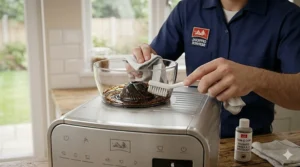
Neglecting Machine Maintenance The best beans can’t overcome a dirty machine. Regular cleaning (backflushing, descaling, milk system cleaning) is essential for optimal flavour and machine longevity.
Price Ranges and Value for Money
Coffee beans for bean to cup machine setups vary dramatically in price, from under £10 to over £30 per kilogram. Here’s what you actually get at each price point:
Budget Tier (£8-£12/kg): Commercial blends from supermarket brands. Consistent but unremarkable flavour. These beans are perfectly drinkable for daily consumption if you’re not fussy about complexity. Lavazza Crema e Aroma represents the top end of this bracket.
Mid-Range (£12-£18/kg): Premium commercial blends and entry-level speciality options. This sweet spot offers excellent quality without premium pricing. Lavazza Qualità Oro and Lavazza Super Crema dominate here, delivering reliable quality that justifies the modest premium.
Premium (£18-£25/kg): High-end commercial blends and proper speciality coffee. illy Classico, Grind House Blend, and Rounton Coffee occupy this space, offering genuine quality improvements in flavour complexity and freshness. Worth it for weekends or special occasions.
Ultra-Premium (£25+/kg): Limited edition single origins and rare microlots. These beans showcase unique characteristics from specific farms or processing methods. Brilliant for exploration but perhaps excessive for daily automatic machine use.
For most UK households, the mid-range offers the best value. You’re getting significantly better coffee than budget options without the diminishing returns of ultra-premium prices. Buying 1kg bags rather than smaller packs typically saves 15-25% per kilogram.
Consider your consumption: If you drink 2-3 cups daily, a 1kg bag lasts roughly two weeks. At £15/kg, that’s about 25p per cup — far cheaper than any café whilst delivering comparable quality.
Ethical and Sustainable Coffee Choices
The coffee industry faces significant ethical and environmental challenges, from farmer poverty to deforestation. Conscientious UK consumers increasingly consider sustainability when purchasing automatic coffee machine beans.
Fairtrade Certification ensures farmers receive minimum prices and fair trading conditions. Recognised by the distinctive green and blue logo, Fairtrade coffee guarantees ethical treatment throughout the supply chain.
Rainforest Alliance focuses on environmental protection and worker welfare. Coffee bearing their green frog logo comes from farms following sustainable practices regarding land, water, and energy use. Both Lavazza and by Amazon ranges feature Rainforest Alliance certified options.
Direct Trade involves roasters buying directly from farmers, cutting out middlemen. This often results in higher farmer payments whilst ensuring quality. Many UK speciality roasters like Rounton and Grind emphasise direct trade relationships.
Organic Certification means beans grown without synthetic pesticides or fertilisers. Whilst beneficial environmentally, organic doesn’t automatically mean better flavour or fairer prices for farmers. Research published by DEFRA (Department for Environment, Food & Rural Affairs) shows that sustainable farming practices benefit both environmental conservation and long-term agricultural viability.
B Corp Certification recognises companies balancing profit with social and environmental responsibility. Grind holds B Corp status, demonstrating commitment to using business as a force for good.
The UK Coffee Association reports that sustainable coffee sales continue growing, with consumers increasingly willing to pay modest premiums for ethical options. When choosing beans, look for certifications that align with your values without necessarily assuming the most expensive option is automatically the most ethical.
Maintenance Tips for Bean to Cup Machines
The best coffee beans can’t overcome a poorly maintained machine. Proper care ensures optimal flavour and extends your investment’s lifespan.
Daily Tasks:
- Empty and rinse the drip tray
- Empty coffee grounds container
- Wipe milk frother after use
- Run a quick rinse cycle
Weekly Tasks:
- Clean milk system thoroughly with hot water
- Wipe down exterior and bean hopper
- Check water filter (if applicable)
Monthly Tasks:
- Deep clean brewing unit (remove and rinse under running water)
- Clean milk system with manufacturer’s cleaning tablets
- Descale if water is hard (frequency depends on water hardness)
Every 3-6 Months:
- Replace water filter
- Deep descale following manufacturer instructions
- Check seals and gaskets for wear
UK water is notoriously hard in many areas, causing limescale buildup that affects taste and machine performance. Using filtered water or built-in water filters significantly reduces descaling frequency. The investment in filters pays for itself through better-tasting coffee and reduced maintenance.
Different beans also affect cleaning requirements. Oily dark roasts leave more residue than medium roasts, necessitating more frequent cleaning. If you notice flavour deterioration or slower extraction, it’s probably time for a thorough clean rather than new beans.
Frequently Asked Questions
❓ What coffee beans are best for bean to cup machines?
❓ Can I use any coffee beans in my automatic coffee machine?
❓ How long do coffee beans stay fresh for bean to cup machines?
❓ Should I buy 100% Arabica or Arabica-Robusta blends?
❓ Are expensive coffee beans worth it for automatic machines?
Conclusion: Your Perfect Cup Awaits
Choosing the right coffee beans for bean to cup machine setups needn’t be overwhelming. Start with a quality mid-range option like Lavazza Qualità Oro or illy Classico to establish a baseline, then experiment with different roasts, origins, and blends to discover your preferences.
Remember the fundamentals: freshness matters enormously, so buy beans roasted within the past month and consume within three months. Medium roasts typically perform best in automatic machines, whilst Arabica-Robusta blends excel for milk-based drinks. Store beans properly in airtight containers away from light and heat.
The beauty of modern bean to cup machines is they democratise café-quality coffee. With the right beans and proper maintenance, your morning flat white can genuinely rival what you’d pay £4.50 for on the high street. That’s not marketing hype — it’s achievable reality.
Whether you opt for the reliable consistency of commercial blends or explore the exciting world of UK speciality coffee, your machine will reward quality beans with exceptional cups. The investment in better beans pays dividends in flavour, satisfaction, and the daily ritual of genuinely good coffee.
So choose your beans wisely, keep your machine clean, and enjoy the simple pleasure of barista-quality coffee without leaving home. Your taste buds (and bank balance) will thank you.
✨ Don’t Miss These Exclusive Deals!
🔍 Take your coffee game to the next level with these carefully selected products. Click on any highlighted item to check current pricing and availability on Amazon.co.uk. These beans will help you create authentic café-quality coffee your family will love!
Recommended for You
- 7 Best Espresso Beans UK 2026
- 7 Best Whole Bean Coffee UK 2026
- 7 Best Luxury Coffee Machines UK 2026 | Premium Worth It
Disclaimer: This article contains affiliate links. If you purchase products through these links, we may earn a small commission at no additional cost to you. Prices shown are approximate and may vary.
✨ Found this helpful? Share it with your mates! 💬🤗
