
In This Article
The British coffee scene has evolved beyond recognition in recent years, and 2026 marks a watershed moment for specialty coffee beans in the UK. According to the British Coffee Association, the UK now consumes 98 million cups of coffee daily — nearly rivalling tea consumption for the first time in British history. What most buyers overlook is this: not all coffee scoring 80+ on the Specialty Coffee Association scale delivers the same experience in your cup. The difference lies in sourcing transparency, roasting expertise, and understanding what those cupping scores actually mean for your morning brew.
Specialty coffee beans represent roughly the top 5% of global production — beans meticulously cultivated at high altitudes, hand-picked at peak ripeness, and processed with exacting standards. According to the Specialty Coffee Association, coffees scoring 80 points or above on their 100-point cupping system earn the specialty grade designation. But here’s what the spec sheet won’t tell you: in Britain’s damp climate and compact living spaces, storage and freshness matter even more than in drier regions. Those lovely beans you’ve just ordered? They’ll lose their vibrancy faster in a humid Scottish flat than in Arizona’s desert heat.
Third wave coffee — the movement emphasising coffee as an artisanal product rather than a commodity — has firmly taken root across UK cities from Edinburgh to Bristol. This shift means British coffee enthusiasts now demand single-origin transparency, micro-batch roasting, and direct trade relationships. The best specialty coffee beans available on Amazon.co.uk in 2026 come from UK-based roasters who understand our weather, our water hardness, and our preference for balanced brews over aggressive roast profiles. Whether you’re brewing in a London flat or a Cotswolds cottage, this guide will help you navigate the bewildering array of options and find beans that genuinely justify their premium pricing.
Quick Comparison: Top Specialty Coffee Beans UK
| Brand | Roast Profile | SCA Score Range | Price Range (1kg) | Best For | Prime Delivery |
|---|---|---|---|---|---|
| Grumpy Mule High & Mighty | Medium | 80-84 | £16-£20 | Espresso lovers, bold flavours | ✅ Yes |
| Rave Coffee Signature | Medium | 82-86 | £18-£24 | All-rounders, milk-based drinks | ✅ Yes |
| Balance Coffee Espresso | Medium | 80-85 | £28-£35 | Health-conscious, toxin-free | ✅ Yes |
| Spiller & Tait Colombian Huila | Light-Medium | 83-87 | £17-£22 | Filter coffee, bright acidity | ✅ Yes |
| Brown Bear Real Colombian | Medium | 80-84 | £15-£19 | Everyday drinking, budget-friendly | ✅ Yes |
| Grind House Blend | Medium | 81-85 | £19-£25 | Organic seekers, ethical sourcing | ✅ Yes |
| Exhale Organic Wholebean | Medium | 82-86 | £30-£38 | Maximum health benefits, polyphenols | ✅ Yes |
Analysis: The table reveals a clear divide between budget-friendly specialty options (under £20 per kilogramme) and premium health-focused beans (£28-£38 range). What’s particularly telling is that all these offerings sit in the medium roast sweet spot — a deliberate choice by UK roasters who recognise that British palates generally prefer balanced, approachable profiles over the aggressively dark roasts popular in Southern Europe. If you’re after maximum value under £20, the Grumpy Mule and Brown Bear options deliver genuine specialty grade quality without the premium markup. For those willing to invest in third-party lab testing and enhanced health benefits, Balance and Exhale justify their higher pricing through rigorous quality control and toxin screening.
💬 Just one click — help others make better buying decisions too! 😊
Top 7 Specialty Coffee Beans UK: Expert Analysis
1. Grumpy Mule High and Mighty Espresso Blend
Yorkshire-based Grumpy Mule’s High and Mighty blend exemplifies what British specialty coffee should be: no-nonsense quality with regional character. This 100% Arabica blend sources from high-altitude farms in Brazil (800+ metres) alongside seasonal producers, resulting in a specialty grade coffee scoring 80-84 on the SCA scale.
The 16-17g dose extracts beautifully over 23-27 seconds, delivering rich cocoa and roasted hazelnut notes with surprising body for a medium roast. What sets this apart from commodity alternatives is the attention to provenance — each batch undergoes Grumpy Mule’s Yorkshire roasting process within days of your order, ensuring you receive beans at peak freshness rather than warehouse stock that’s been sitting for months.
Expert Commentary: This blend performs exceptionally well in Britain’s hard water areas. The robust body holds up against Yorkshire’s famously mineral-rich tap water, whereas lighter Ethiopian offerings can taste thin and sour under the same conditions. If you’re in Manchester, Leeds, or anywhere with limescale issues, this blend’s forgiving nature makes it ideal for home espresso setups. The charity angle — 20p per pack supporting the Peak District Foundation — adds genuine value beyond the cup.
UK Customer Feedback: British buyers consistently praise the “kick-ass coffee with bold taste” and note it’s “strong flavoured with lovely crema.” Several Yorkshire-based reviews specifically mention its consistency despite regional water variations.
Pros:
✅ Specialty grade from Brazil’s high-altitude regions
✅ Roasted fresh in Yorkshire with rapid UK delivery
✅ Supports Peak District conservation (£47,000 donated in 2025)
Cons:
❌ Not single-origin for those seeking terroir specificity
❌ Medium roast may feel underwhelming for dark roast enthusiasts
Value Verdict: Around £17-£19 per kilogramme represents outstanding value for specialty grade beans with charitable impact. Check current pricing on Amazon.co.uk.
2. Rave Coffee Signature Blend (Italian Style)
Cotswolds-based Rave Coffee built its reputation on obsessive attention to roasting profiles, and their Signature Italian blend showcases this expertise. Scoring 82-86 on the SCA scale, this specialty coffee blends premium Arabica beans with carefully selected high-quality Robusta to create the traditional Italian espresso experience British coffee shops have popularised.
The roast sits slightly darker than typical UK specialty offerings, nodding to Italian tradition whilst maintaining the bright, clean finish British palates expect. Expect bold walnut and dark chocolate flavours that genuinely hold their own when combined with milk for cappuccinos or flat whites — a critical consideration given that most UK coffee consumption involves dairy.
Expert Commentary: What most buyers don’t realise about Robusta inclusion is this: quality Robusta (which Rave sources) delivers nearly double the caffeine of Arabica alongside distinctive earthy notes that complement rather than overpower the blend’s character. For morning espresso drinkers who need that proper kick without resorting to triple shots, this blend’s elevated caffeine content proves invaluable. The Cotswolds roasting facility ships same-day, meaning your beans arrive within 24-48 hours of roasting — fresher than virtually any high street offering.
UK Customer Feedback: Reviews from across England, Scotland, and Wales highlight the blend’s versatility with both traditional espresso machines and bean-to-cup setups. Several note it works brilliantly in Italian moka pots — a consideration for compact UK kitchens where counter space limits equipment options.
Pros:
✅ Roasted and shipped same-day for maximum freshness
✅ Italian tradition adapted for British tastes
✅ Higher caffeine content from quality Robusta inclusion
Cons:
❌ Darker roast profile loses some origin characteristics
❌ Not suitable for those avoiding Robusta
Value Verdict: In the £19-£24 range per kilogramme, this represents mid-tier specialty pricing. The freshness guarantee and proven consistency justify the premium over budget options.
3. Balance Coffee Espresso Starter Pack
Balance Coffee has pioneered the “healthy coffee” movement in the UK, and their Espresso blend represents specialty coffee taken to the next level: third-party lab testing for mycotoxins, moulds, and pesticide residues. Scoring 80-85 on the SCA scale, these 100% Arabica beans undergo seven separate testing protocols before they reach your cup.
The medium roast profile delivers 1,000+ antioxidants per serving — substantially higher than commodity coffee due to Balance’s proprietary roasting technique designed to maximise polyphenol retention. For British buyers increasingly conscious about what goes into their bodies, this represents coffee as functional nutrition rather than mere caffeine delivery.
Expert Commentary: The toxin-free claim isn’t marketing fluff. Coffee grown in humid tropical regions naturally risks mould contamination during processing and storage — a particular concern in Britain’s damp climate where improperly stored beans can develop further issues. Balance sources from the top 1% of global farms and tests every batch, meaning you’re genuinely avoiding the ochratoxin A found in varying levels across most commercial coffee. The trade-off? You’re paying £28-£35 per kilogramme versus £15-£20 for equally high-scoring beans without the lab verification. Whether that premium proves worthwhile depends on your health priorities and budget.
UK Customer Feedback: British reviews consistently mention the “smooth taste” and “very fresh” aroma. Health-conscious Londoners particularly appreciate the detailed transparency about sourcing and testing — a stark contrast to vague “ethically sourced” claims elsewhere.
Pros:
✅ Lab-certified free from mycotoxins and pesticides
✅ Roasted to maximise antioxidant retention (1,000+ per cup)
✅ Top 1% of global coffee farms
Cons:
❌ Premium pricing (£28-£35/kg) versus standard specialty options
❌ Medium roast only — no variety for dark roast preferences
Value Verdict: Around £30-£35 per kilogramme positions this firmly in premium territory. The health benefits and lab certification justify the cost for wellness-focused buyers, but traditional coffee drinkers may find better value elsewhere.
4. Spiller & Tait Pure Colombian Huila
Colombia’s Huila department produces some of the world’s finest specialty coffee, and Spiller & Tait’s single-origin offering brings this excellence to British homes. Scoring 83-87 on the SCA scale, these 100% Arabica beans undergo light-to-medium roasting in Southwest England to preserve Huila’s distinctive sweet, fruity characteristics combined with chocolate, caramel, and vanilla notes.
The beans arrive roasted within days of your order — critical for specialty coffee where flavour compounds deteriorate rapidly after roasting. Huila’s high-altitude growing conditions (1,200-2,000 metres) produce dense beans with complex flavour development that truly showcases why Colombian coffee commands global respect.
Expert Commentary: Single-origin Colombian coffee like this performs magnificently in filter methods — V60 pour-over, AeroPress, or even a simple cafetière. The bright acidity and fruity notes that define Huila coffee genuinely shine through filter brewing in ways they can’t via espresso’s intense pressure extraction. If you’re among Britain’s growing contingent of home filter enthusiasts, this represents an ideal entry point into understanding terroir and regional coffee characteristics. The light-medium roast preserves origin complexity whilst remaining approachable for those transitioning from darker supermarket offerings.
UK Customer Feedback: Amazon.co.uk buyers praise this as “top speciality Columbian coffee” with several noting the noticeable quality difference versus high street brands. Multiple reviews mention the lack of bitterness — a common complaint about over-roasted commercial coffee.
Pros:
✅ High-scoring single-origin (83-87 SCA points)
✅ Light-medium roast preserves terroir characteristics
✅ Roasted fresh in UK, shipped within days
Cons:
❌ Bright acidity may surprise those accustomed to dark roasts
❌ Single-origin means less consistency year-to-year versus blends
Value Verdict: At £17-£22 per kilogramme, this delivers exceptional value for genuine single-origin specialty coffee. The quality-to-price ratio here is particularly impressive.
5. Brown Bear Real Colombian Coffee
London-based Brown Bear Coffee has built a loyal following through straightforward quality and genuine charitable impact. Their Real Colombian offering scores 80-84 on the SCA scale whilst maintaining budget-friendly pricing that makes specialty coffee accessible to British households beyond London’s affluent postcodes.
The 100% Arabica beans undergo medium roasting to create a balanced, approachable profile suitable for espresso, filter, and French press brewing. What distinguishes Brown Bear is their commitment to Free The Bears charity — 5% of all sales support bear sanctuaries across Southeast Asia, with over £20,000 donated to date funding bear rescue facilities in Cambodia.
Expert Commentary: This represents specialty coffee’s entry tier — beans that genuinely score 80+ and deliver noticeable quality improvement over supermarket offerings, without the premium pricing of health-focused or micro-lot alternatives. For British families buying multiple kilogrammes monthly, the £15-£19 price point makes specialty coffee sustainable financially whilst the charitable dimension adds feel-good value. The strength 3 rating sits perfectly in British preference territory — not the aggressive intensity popular in Italy, but robust enough to satisfy those who find Costa underwhelming.
UK Customer Feedback: Reviews across England emphasise the “great value” and consistent quality. Several mention using it daily for both espresso and cafetière without disappointment — versatility that’s particularly valuable for UK households with varied coffee preferences.
Pros:
✅ Budget-friendly specialty grade (£15-£19/kg)
✅ 5% of sales support bear conservation (£20,000+ donated)
✅ Versatile across multiple brewing methods
Cons:
❌ Less distinctive than single-origin alternatives
❌ Medium roast offers no variety for those seeking lighter/darker options
Value Verdict: Around £15-£19 per kilogramme makes this the most accessible specialty coffee on this list. The charitable impact and proven consistency represent genuine value.
6. Grind House Blend Specialty Coffee
London’s Shoreditch-based Grind has expanded from trendy coffee shops to home delivery, and their House Blend brings certified organic specialty coffee to British homes. Scoring 81-85 on the SCA scale, these 100% Arabica beans undergo medium roasting to create a balanced, crowd-pleasing profile that works across all brewing methods.
The organic certification (EU Organic, now supplemented by UK equivalents post-Brexit) ensures these beans meet strict environmental and sustainability standards — no synthetic pesticides, herbicides, or fertilisers used during cultivation. For British buyers increasingly concerned about agricultural chemicals entering their food chain, this certification provides genuine peace of mind.
Expert Commentary: Organic coffee costs more to produce — farmers sacrifice higher yields available through conventional agriculture to meet certification standards. You’re paying £19-£25 per kilogramme partially for that certification’s assurance, but also for Grind’s roasting expertise honed across their London cafe portfolio. These beans are roasted to satisfy discerning Shoreditch coffee drinkers, then made available nationwide via Amazon.co.uk with Prime delivery. The medium roast showcases organic coffee’s cleaner, more nuanced flavour profile — when beans aren’t masked by chemical residues or aggressive roasting, subtler characteristics emerge.
UK Customer Feedback: British Amazon buyers particularly appreciate the sustainable packaging and “barista quality” results at home. Several reviews mention using it successfully in bean-to-cup machines — important given these automated systems’ popularity in space-conscious UK homes.
Pros:
✅ Certified organic (EU Organic standards)
✅ Roasted by London’s specialty coffee leaders
✅ Prime-eligible for next-day UK delivery
Cons:
❌ Mid-range pricing (£19-£25/kg) without health testing premium features
❌ House blend offers less origin specificity than single-origin alternatives
Value Verdict: At £19-£25 per kilogramme, this sits comfortably in mid-tier specialty pricing. The organic certification and Grind’s cafe-honed expertise justify the cost for sustainability-focused buyers.
7. Exhale Organic Wholebean Coffee
Exhale Coffee represents the cutting edge of specialty coffee meeting functional nutrition. Scoring 82-86 on the SCA scale, these organic specialty grade beans undergo nine separate laboratory tests to verify freedom from mycotoxins, pesticides, and contaminants. The result: coffee with antioxidant power equivalent to 12 servings of typical commercial coffee.
Sourced from San Ignacio, Peru, and fresh-roasted in small batches in Brixton, London, Exhale’s medium roast delivers delicate notes of toffee, almond, and oat milk. The polyphenol-rich profile and elevated vitamin B3 (niacin) content position this as coffee-as-medicine rather than mere morning ritual.
Expert Commentary: The nine-test verification protocol sets Exhale apart from even other health-focused specialty brands. You’re paying £30-£38 per kilogramme for laboratory-verified purity that goes beyond organic certification — testing each batch for specific mycotoxins (ochratoxin A, aflatoxins), heavy metals, and pesticide residues. NHS Doctor Rupy and leading UK nutritionist Alex Manos both endorse this approach, recognising that coffee’s health benefits (when sourced and roasted correctly) substantially outweigh the minimal risks from quality beans. The plastic-free packaging aligns with Britain’s growing environmental consciousness, whilst B-Corp Pending status signals genuine commitment beyond greenwashing.
UK Customer Feedback: British reviews emphasise the “smooth taste” and notably reduced jitters versus regular coffee — likely attributable to the clean, toxin-free profile allowing natural caffeine absorption without inflammatory contaminants. Several health-conscious Londoners mention switching exclusively to Exhale after experiencing digestive improvements.
Pros:
✅ Nine independent lab tests verify purity
✅ Antioxidant power of 12 cups of regular coffee
✅ Plastic-free packaging, B-Corp Pending, 1% For The Planet member
Cons:
❌ Premium pricing (£30-£38/kg) limits accessibility
❌ Single roast profile (medium) with no variety
Value Verdict: Around £32-£38 per kilogramme positions Exhale at the premium end of specialty coffee. The extensive lab testing and proven health benefits justify the cost for wellness-focused British buyers.
Understanding SCA Cupping Scores: What They Actually Mean
The Specialty Coffee Association’s 100-point cupping system evaluates beans across ten sensory attributes: aroma, flavour, aftertaste, acidity, body, balance, uniformity, clean cup, sweetness, and overall impression. According to Wikipedia’s specialty coffee definition, coffees scoring 80-84.99 earn “Very Good” designation, 85-89.99 achieve “Excellent,” and 90-100 reach “Outstanding” status.
But here’s what those scores mean in practical terms for British buyers: a coffee scoring 80 points represents the top 5% of global production — already a massive quality leap from the commodity beans in your local supermarket’s house brand. An 85-point coffee showcases distinctive regional characteristics and complex flavour development. A 90+ coffee is exceptionally rare, typically a competition-grade micro-lot commanding premium pricing.
Most specialty beans available on Amazon.co.uk fall into the 80-87 range — genuine quality that justifies moderate premiums without entering the rarefied territory of competition coffees costing £50+ per 250 grammes. For everyday British coffee drinking, the 80-85 range delivers the optimal balance of quality improvement versus cost increase.
How to Choose Specialty Coffee Beans for British Conditions
1. Consider Your Water Hardness
Britain’s regional water variations dramatically affect coffee extraction. London’s moderately hard water (200-300 mg/L calcium carbonate) extracts differently than Manchester’s very hard water (300+ mg/L) or Scotland’s softer supplies. Harder water requires slightly coarser grinding and benefits from robust, forgiving blends like Grumpy Mule over delicate single-origins that can taste harsh or sour.
2. Match Roast Profile to Storage Capabilities
Medium roasts (the British sweet spot) generally peak 7-14 days after roasting and maintain quality for 4-6 weeks when properly stored. In damp British climates, invest in genuinely airtight containers — those “airtight” ceramic jars from the high street typically aren’t. Airscape canisters or Fellow Atmos containers create actual vacuum seals that preserve freshness in humid Scottish winters or muggy Southern summers.
3. Factor in Delivery Freshness
Amazon.co.uk Prime delivery means nothing if beans were roasted six weeks ago. UK-based roasters like Grumpy Mule, Rave, and Spiller & Tait roast to order or maintain rapid stock rotation. Check roasting dates on arrival — if beans are more than three weeks past roast, you’ve already lost the specialty advantage.
4. Prioritise UK-Roasted Options
Post-Brexit import considerations mean European-roasted specialty coffees may cost 10-15% more than equivalent quality from UK roasters. Beyond pricing, UK roasters understand British water chemistry, local taste preferences, and optimal roast profiles for our climate. Supporting domestic specialty roasters also ensures faster delivery and fresher beans.
5. Start with Blends, Progress to Single-Origins
Specialty coffee blends offer consistency and forgiveness — roasters blend to achieve year-round reliable profiles despite seasonal variations in origin crops. Single-origins showcase terroir and regional characteristics but require more precise brewing and can vary batch-to-batch. If you’re transitioning from supermarket coffee, begin with reputable blends like Rave’s Signature or Grumpy Mule’s High & Mighty before exploring Colombian Huila or Ethiopian Yirgacheffe single-origins.
Common Mistakes When Buying Specialty Coffee Beans UK
Mistake #1: Ignoring Roast Dates
Many British buyers focus on “best before” dates rather than roast dates. Specialty coffee peaks within 2-4 weeks of roasting — that “best before” six months away is meaningless. Always check actual roast dates, and if a seller won’t display them, that’s a red flag suggesting old stock.
Mistake #2: Storing Beans Incorrectly in British Humidity
Britain’s damp climate accelerates coffee staling through moisture absorption. Never store beans in the fridge (condensation ruins them) or in standard kitchen canisters. Invest in proper vacuum-sealed containers and keep beans in cool, dark cupboards away from the kettle’s steam and the cooker’s heat. In particularly humid coastal or Scottish Highland areas, consider buying smaller quantities (500g) more frequently rather than kilogramme bags that sit declining for weeks.
Mistake #3: Expecting Dark Roast “Strength”
British coffee culture often conflates dark roasting with strength, but specialty coffee reveals this fallacy. Darker roasting actually reduces caffeine content whilst increasing bitter carbon flavours. If you want genuine strength, look for coffees with quality Robusta inclusion (like Rave’s Italian blend) or simply use more coffee grounds — 18g instead of 14g for espresso, for instance.
Mistake #4: Overlooking Water Quality Impact
London’s moderately hard water, Birmingham’s hard water, and Edinburgh’s soft water all extract coffee differently. Buying premium £30/kg specialty beans but brewing with neglected Brita filters or limescale-heavy tap water wastes money. If you’re investing in specialty coffee, invest equally in water filtration — BWT or Peak Water filters designed for coffee deliver noticeable improvement.
Mistake #5: Buying Based on Brand Rather than Current Crop
Even exceptional roasters can’t override poor origin harvests. A 2025 Colombian crop affected by unusual rains may score 82 points whilst 2024’s crop scored 86. Read recent reviews on Amazon.co.uk and check if buyers mention quality drops — specialty coffee’s seasonal nature means variability. Reputable roasters adjust blends to maintain consistency, but single-origins naturally fluctuate.
Third Wave Coffee Movement: Why It Matters for British Buyers
Third wave coffee — viewing coffee as an artisanal product worthy of appreciation like fine wine — has fundamentally reshaped Britain’s coffee landscape. The UK coffee industry contributed an estimated £9.1 billion in Gross Value-Added to the economy, with over 54% of coffee purchased being roasted beans rather than instant — a significant shift reflecting growing consumer sophistication. This movement emphasises transparency, direct trade, sustainable practices, and artisanal brewing methods that elevate coffee from caffeine delivery to sensory experience.
For British consumers in 2026, third wave coffee means:
Direct Trade Transparency: Knowing exactly which farm, co-operative, or estate produced your beans. Brands like Balance and Exhale provide detailed origin information, allowing you to trace your morning flat white back to specific Peruvian farms rather than generic “South American blend” vagueness.
Sustainability Focus: Third wave roasters prioritise environmental and social responsibility over mere profit maximisation. The Rainforest Alliance, Fairtrade, and organic certifications prevalent across specialty offerings on Amazon.co.uk reflect this commitment. British buyers increasingly demand this transparency — we want coffee that tastes exceptional whilst supporting farming communities and protecting ecosystems.
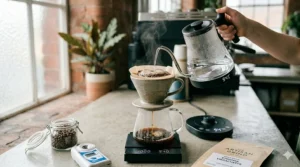
Precision Brewing: Third wave culture celebrates method — the difference between rushed French press and carefully executed V60 pour-over matters. This resonates with Britain’s emerging home barista culture, where Sage espresso machines and Timemore grinders have become aspirational kitchen equipment rather than professional-only tools.
Flavour Appreciation: Third wave coffee challenges us to identify tasting notes beyond “coffee flavoured.” Colombian Huila’s “chocolate, caramel, vanilla” or Ethiopian Yirgacheffe’s “blueberry, jasmine, bergamot” descriptors might sound pretentious initially, but they represent genuine flavour compounds developed through meticulous growing, processing, and roasting. British palates are increasingly sophisticated — we’re ready to appreciate coffee’s complexity the way we appreciate craft beer or single malt whisky.
Specialty Coffee Beans vs Supermarket Coffee: The Real Difference
| Aspect | Specialty Coffee (80+ SCA) | Supermarket Coffee |
|---|---|---|
| Bean Selection | Top 5% global production, hand-sorted, zero primary defects | Commodity grade, machine-sorted, defect tolerance |
| Roast Freshness | Roasted within weeks of purchase | Potentially months old on shelf |
| Traceability | Specific farm/co-operative, altitude, processing method | “Colombian blend” or generic origin |
| Price (per kg) | £15-£38 | £8-£15 |
| Flavour Complexity | Distinct origin characteristics, multiple tasting notes | Generic “coffee flavour,” often bitter |
| Health Screening | Many brands lab-test for toxins/mycotoxins | No additional screening beyond basic safety |
Analysis: The price differential of £7-£20 per kilogramme initially seems substantial, but context matters. At 18g per espresso shot, a £25/kg specialty coffee costs roughly 45p per cup versus 22p for £10/kg supermarket coffee. That 23p premium delivers genuinely superior flavour, verified freshness, and transparent sourcing — roughly the cost of a single Digestive biscuit. For British households consuming 2-3 cups daily, spending an extra £15-£20 monthly on specialty coffee represents affordable luxury with tangible quality improvement. The supermarket coffee advantage exists only for those prioritising absolute minimum cost over flavour or ethics.
Practical Usage Guide: Getting the Most from Specialty Beans in British Conditions
Storage in Damp British Climate
Britain’s humidity accelerates coffee staling through moisture absorption. Store specialty beans in genuinely airtight containers — Fellow Atmos vacuum canisters or Airscape models create actual seals versus decorative ceramic jars. Keep containers in cool, dark cupboards away from the kettle (steam) and cooker (heat fluctuations). In particularly damp areas (coastal regions, Scottish Highlands), buy 500g bags rather than kilogrammes to ensure you consume beans whilst fresh.
Water Preparation for UK Tap Water
Regional water quality dramatically affects extraction. If using tap water, filter it — Brita is acceptable, but BWT or Peak Water filters designed specifically for coffee deliver superior results. For espresso, target 50-150 mg/L total dissolved solids; for filter, 75-175 mg/L proves optimal. London’s moderately hard water often performs acceptably with basic filtration, but very hard water areas (Manchester, Birmingham) benefit from purpose-built coffee water solutions.
Grinding Considerations for British Equipment
Most British homes use blade grinders (inadequate for specialty coffee’s potential) or entry-level burr grinders (Sage/Breville Smart Grinder, Wilfa Svart). For espresso from specialty beans, grind just before brewing — pre-ground loses 60% of aromatic compounds within 15 minutes. For filter methods, grinding the previous evening is acceptable if stored in airtight containers overnight. In humid conditions, beans grind slightly differently — you may need marginally coarser settings in summer versus winter.
Brewing Method Selection
British homes favour espresso machines (Sage/Gaggia range), bean-to-cup automatics (DeLonghi/Jura), or filter methods (V60, cafetière). For specialty beans:
- Espresso: Requires precision but showcases intensity and body
- Filter/Pour-over: Highlights origin characteristics and complexity
- Bean-to-Cup: Convenient but sacrifices some flavour potential
- Cafetière: Forgiving method ideal for experimentation
Light-medium roasts (Spiller & Tait Colombian Huila) excel in filter brewing. Medium roasts (Grumpy Mule, Rave) work beautifully across methods. Darker offerings (Rave Italian blend) suit espresso-based milk drinks.
First 30 Days Mistakes to Avoid
Week 1: Don’t judge beans immediately after opening — they often need 12-24 hours to “breathe” after vacuum packaging.
Week 2: Resist grinding entire bags for convenience — grind only what you’ll use within 3-5 days maximum.
Week 3: Don’t stick with one recipe — specialty beans reward experimentation with ratios, temperatures, and extraction times.
Week 4: Track your preferences — note which beans, ratios, and methods deliver your ideal cup before reordering.
Frequently Asked Questions
❓ Are specialty coffee beans worth the extra cost in the UK?
❓ How long do specialty coffee beans stay fresh in British humidity?
❓ Can I use specialty coffee beans in bean-to-cup machines?
❓ What does 'third wave coffee' actually mean for UK buyers?
❓ Do I need special equipment to brew specialty coffee beans at home?
Conclusion: Choosing the Right Specialty Coffee Beans UK
The British specialty coffee landscape in 2026 offers unprecedented choice and quality, from budget-friendly £15/kg options scoring genuine 80+ SCA points to premium £35/kg offerings with extensive health testing and certifications. The key isn’t finding the “best” specialty coffee beans universally — it’s identifying which beans suit your specific priorities, brewing methods, and British living conditions.
For everyday value, Grumpy Mule High & Mighty and Brown Bear Real Colombian deliver specialty grade quality at accessible pricing. For those prioritising health and purity, Balance Coffee and Exhale Organic justify their premium through rigorous testing and toxin-free verification. For exploring single-origin terroir, Spiller & Tait Colombian Huila showcases why regional characteristics matter. And for versatile all-rounders, Rave Coffee Signature and Grind House Blend satisfy diverse British tastes across multiple brewing methods.
Remember: specialty coffee’s true value emerges only with proper storage, fresh grinding, clean equipment, and filtered water. Those £30/kg beans brewed with months-old pre-ground coffee and limescale-heavy tap water waste money. But specialty beans stored correctly, ground fresh, and brewed with care genuinely transform your daily coffee ritual from caffeine delivery to sensory experience worth savouring.
Recommended for You
- Best Fairtrade Coffee UK 2026: 7 Ethical Brands Worth Buying
- 7 Best Organic Coffee Beans UK: Expert Guide 2026
- 7 Best Kenyan Coffee Beans UK: Bold Blackcurrant Flavours 2026
Disclaimer: This article contains affiliate links. As an Amazon Associate, I earn from qualifying purchases. If you purchase products through these links, we may earn a small commission at no additional cost to you.
✨ Found this helpful? Share it with your mates! 💬🤗
