
In This Article
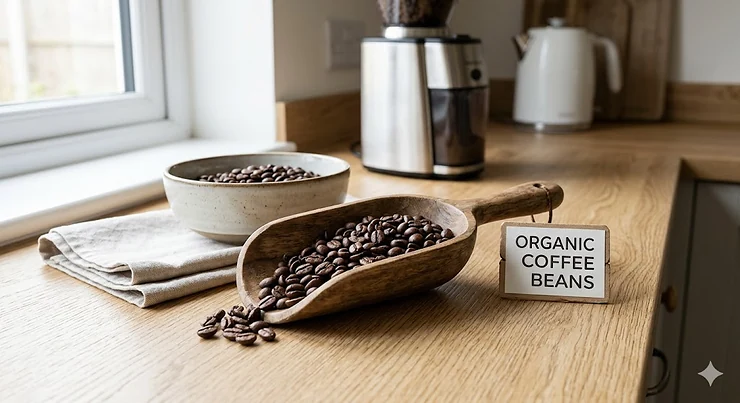
There’s something rather civilised about opening a fresh bag of coffee beans on a drizzly Tuesday morning. The aroma fills your kitchen, the kettle clicks, and for a brief moment before the day’s chaos begins, you’re holding possibility in your hands. But here’s the thing most British coffee drinkers overlook: those beans you’re grinding might be carrying more than just caffeine.
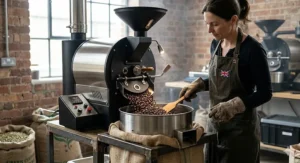
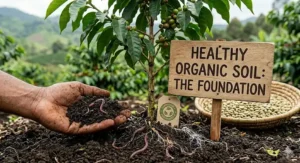
Conventional coffee is one of the most heavily sprayed crops on the planet. Pesticides, synthetic fertilisers, and chemical processing agents can linger in your morning brew, which seems rather at odds with the comforting ritual we’ve all come to rely on. This is precisely where organic coffee beans step in—not as some trendy wellness movement, but as a return to what coffee should have been all along: clean, ethically grown, and genuinely good for you.
In the UK, the organic coffee market has shifted dramatically over the past three years. What was once a niche corner of speciality roasters has become mainstream, with major retailers and independent cafés alike prioritising certified organic beans. British consumers are increasingly asking not just “where does this coffee come from?” but “what was used to grow it, and who grew it?” The Soil Association, Britain’s leading organic certification body, has seen a 40% increase in coffee certifications since 2023, reflecting this growing demand for transparency and quality.
What is organic coffee beans? Organic coffee beans are beans grown without synthetic pesticides, herbicides, or chemical fertilisers, certified by recognised bodies like the UK’s Soil Association or EU Organic standards. The farms use natural composting, shade-growing techniques, and biodiversity-friendly practices that protect soil health and support the ecosystems where coffee grows. In practical terms, this means your morning flat white contains none of the chemical residues found in conventionally grown coffee, plus it delivers higher antioxidant levels—research published in the British Journal of Nutrition found organic crops contain up to 60% more key antioxidants than non-organic equivalents.
Throughout this guide, I’ll walk you through the seven best organic coffee beans available on Amazon.co.uk, break down what certifications actually mean for UK buyers, and show you exactly how to choose beans that suit your brewing method and taste preferences. Whether you’re grinding for espresso in a cramped London flat or brewing a cafetière in the Scottish Highlands, you’ll find something here that fits both your palate and your principles.
Quick Comparison Table
| Brand | Origin | Roast Level | Certification | Price Range | Best For |
|---|---|---|---|---|---|
| Balance Coffee Lion’s Mane | Mexico & Uganda | Medium | Soil Association Organic | £18-£25 per 250g | Health-conscious buyers seeking cognitive benefits |
| Grumpy Mule Top Notch Organic | Multi-origin blend | Medium-Dark | Soil Association Organic, Fairtrade | £6-£8 per 200g | Everyday drinking on a budget |
| Bird & Wild Coffee | Seasonal origins | Medium | Soil Association Organic, Fairtrade, Bird Friendly | £7-£9 per 200g | Environmental supporters, wildlife conservation |
| Union Hand-Roasted Natural Spirit | Seasonal single origins | Light-Medium | Soil Association Organic | £7-£9 per 200g | Filter coffee purists, bright fruity profiles |
| Grind Coffee House Blend | Multi-origin | Medium-Dark | Soil Association Organic | £8-£12 per 250g | Pod machine users, urban convenience |
| Rave Coffee Signature Blend | Colombia & Brazil | Medium-Dark | Ethical sourcing (not certified organic) | £13-£16 per 1kg | Value seekers, bulk buyers |
| Rounton Coffee Roasters Granary Blend | Seasonal | Medium | Soil Association Organic | £7-£9 per 200g | Smooth daily espresso, ethical trade |
From the table above, you’ll notice price isn’t necessarily a reflection of quality alone—it’s about what trade-offs you’re willing to make. Balance Coffee commands a premium because it combines organic certification with independent lab testing for mycotoxins and heavy metals, something most roasters skip entirely. On the other hand, Grumpy Mule offers brilliant value for certified organic beans under £8 per 200g, though you’re trading off the health testing and mushroom-enhanced cognitive benefits found in Balance’s offering. Budget buyers should note that buying in 1kg bags from Rave Coffee brings the per-gram cost down significantly, but at the expense of organic certification—a trade-off that stings less if you’re prioritising freshness and ethical sourcing over formal organic status.
💬 Just one click — help others make better buying decisions too! 😊
Top 7 Organic Coffee Beans: Expert Analysis
1. Balance Coffee Lion’s Mane Blend
If there’s one organic coffee that genuinely delivers on both health and flavour, it’s this. Balance Coffee has built its reputation on laboratory-tested purity, and the Lion’s Mane blend takes that commitment even further by infusing organic coffee with medicinal mushroom extracts for cognitive enhancement.
The blend combines beans from Mexico and Uganda, both sourced from farms in the top 1% globally for quality. What sets this apart is the dual-region approach: Mexican beans bring a smooth, chocolatey base, while Ugandan beans add depth and a subtle fig-like sweetness. The medium roast strikes a balance that works whether you’re pulling shots through an espresso machine or brewing a V60 on a Sunday morning. Crucially, this coffee is independently lab-tested for mycotoxins, pesticides, and heavy metals—published results you can actually review on Balance’s website, which is virtually unheard of in the UK coffee market.
For UK buyers, this is coffee designed around the realities of British life: it’s smooth enough to drink black despite our hard water, rich enough to cut through full-fat milk, and clean enough that you won’t get the jittery crash that plagues cheaper supermarket blends. The Lion’s Mane mushroom component doesn’t taste remotely mushroom-like (a common worry), but it does deliver noticeable mental clarity without the caffeine spike and subsequent slump. Think of it as coffee that works with your nervous system rather than against it.
UK customers consistently praise the lack of stomach irritation—something particularly relevant given how many Brits rely on multiple cups throughout the day. The Soil Association Organic certification means it meets both UK and EU standards, and because it’s roasted in small batches domestically, you’re getting beans that are genuinely fresh, not sitting in a warehouse for months.
Pros:
✅ Published lab results for mycotoxins and pesticides (only UK brand doing this)
✅ Lion’s Mane mushroom for cognitive support without jitters
✅ Soil Association Organic certified, sourced from top 1% farms globally
Cons:
❌ Higher price point—around £20-£25 per 250g
❌ Only available in 250g bags, not ideal for bulk buyers
Price Range: Around £18-£25 per 250g
Value Verdict: Worth the premium if you’re prioritising health transparency and want coffee that genuinely supports cognitive function alongside great flavour.
2. Grumpy Mule Top Notch Organic Blend
Yorkshire-based Grumpy Mule has been roasting organic coffee since before it was fashionable, and their Top Notch Organic Blend is proof that certified organic doesn’t have to mean eye-watering prices. At under £8 for 200g, this is one of the most accessible entry points into quality organic coffee for UK buyers.
The blend features beans from multiple origins—primarily Central and South America—roasted to a medium-dark profile that delivers notes of dark chocolate and berries. It’s the sort of coffee that works brilliantly in milk-based drinks like lattes and flat whites, which is precisely what most British coffee drinkers are making at home. The berry notes aren’t overpowering or acidic (a common pitfall with cheaper blends); instead, they add a subtle brightness that keeps the cup interesting without veering into speciality coffee pretentiousness.
What UK buyers particularly appreciate is the roast consistency. Order a bag in January and another in July, and you’ll get the same reliable profile—something that’s harder to achieve than most people realise. This makes it brilliant for those who’ve just invested in a bean-to-cup machine and want predictable results without constantly tweaking grind settings. The Soil Association and Fairtrade certifications mean the farms growing these beans are meeting high environmental and labour standards, which matters more when you’re drinking two or three cups daily.
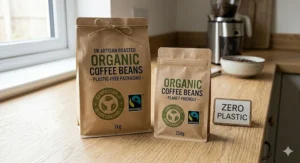
The packaging is designed to fit through UK letterboxes, which sounds trivial until you’ve missed three delivery attempts and had to trek to a sorting office. Grumpy Mule also offers subscription options with 15% off, which brings the cost down even further for regular drinkers.
Pros:
✅ Excellent value—certified organic and Fairtrade under £8 per 200g
✅ Consistent roast profile batch to batch
✅ Works beautifully with milk, perfect for UK tastes
Cons:
❌ Not ideal for black coffee purists—flavour is solid but not complex
❌ No published lab testing for contaminants
Price Range: Around £6-£8 per 200g
Value Verdict: Outstanding value for everyday organic drinking. If you’re making lattes at home and want to avoid pesticides without breaking the bank, this is your best bet.
3. Bird & Wild Coffee
This is organic coffee with a conscience, and not in the vague “we care about the planet” marketing sense—6% of every sale goes directly to the RSPB, the Fairtrade Foundation, and the Smithsonian Migratory Bird Centre. Bird & Wild is the only UK coffee brand with Bird Friendly certification, which means the farms grow beans under rainforest canopy rather than clear-cutting for sun-tolerant plants.
The coffee itself is a medium roast with a flavour profile that shifts seasonally—you might get Ethiopian beans with floral notes in spring, then Colombian beans with caramel and citrus in autumn. This rotating approach keeps things interesting if you’re the sort of drinker who gets bored easily, though it can be frustrating if you discover a blend you love and it’s replaced three months later. The quality is consistently high regardless of origin, which speaks to their sourcing standards.
For British buyers concerned about environmental impact, this is coffee that actually walks the talk. Shade-grown coffee creates habitat for migratory birds that would otherwise lose nesting sites to intensive agriculture. The packaging is plastic-free and designed to break down in home composting bins, which is particularly relevant in the UK where council composting programmes are patchy at best.
The flavour profile leans towards the approachable rather than the aggressively speciality. You’ll get chocolatey sweetness with some fruity brightness, but nothing so sharp that it alienates casual drinkers. It works well as espresso but truly shines in filter methods like V60 or Aeropress, where the lighter roast can express more nuanced flavours. If you’re the sort who drinks coffee while reading the weekend papers in a conservatory overlooking a rainy garden, this is your speed.
Pros:
✅ Only Bird Friendly certified coffee in UK—genuine environmental impact
✅ 6% of sales support RSPB and bird conservation directly
✅ Plastic-free, home-compostable packaging
Cons:
❌ Seasonal rotation means you can’t re-order the exact same beans year-round
❌ Flavour profile is approachable but not adventurous
Price Range: Around £7-£9 per 200g
Value Verdict: Brilliant if you want your coffee purchase to directly fund wildlife conservation without compromising on taste.
4. Union Hand-Roasted Natural Spirit Organic Blend
East London-based Union has been a fixture of the UK speciality coffee scene for over two decades, and their Natural Spirit blend represents their commitment to organic farming done properly. This is light-to-medium roasted coffee designed for people who want to actually taste the bean’s origin characteristics rather than just experience “coffee flavour.”
The blend rotates seasonally but typically features single-origin beans from Ethiopia, Colombia, or Central America, roasted with precision to highlight each origin’s unique profile. When you open a bag of the Ethiopian variant, you’re hit with floral and citrus notes—think bergamot tea more than builder’s brew. This makes it exceptional for pour-over methods like V60 or Chemex, where clarity of flavour is the goal, but it can taste somewhat sharp and acidic if you’re used to darker Italian-style espresso.
What UK buyers particularly value is Union’s direct trade model. They’ve built long-term relationships with the farms they source from, often paying well above Fairtrade minimum prices and investing in infrastructure improvements at origin. This isn’t just ethical virtue signalling—it translates to better quality beans because farmers can afford to be selective about which cherries they pick and how they process them.
The roast date is printed clearly on every bag, and Union roasts in small batches in their East London facility, which means UK deliveries are genuinely fresh. If you order through Amazon.co.uk Prime, you’re typically getting beans roasted within the past two weeks—a massive difference from supermarket bags that might be months old.
Pros:
✅ Exceptional flavour clarity—you can taste the specific origin
✅ Direct trade model supports sustainable farming beyond just certification
✅ Small-batch roasting in UK ensures freshness
Cons:
❌ Light roast can be too acidic for those used to darker profiles
❌ Doesn’t work as well with milk—best enjoyed black
Price Range: Around £7-£9 per 200g
Value Verdict: Best choice for filter coffee purists who want organic certification and genuinely expressive flavour.
5. Grind Coffee House Blend
If you live in London, you’ve probably walked past a Grind café—they’re everywhere from Shoreditch to Covent Garden. What started as a hipster coffee shop has evolved into one of the UK’s most accessible organic coffee brands, with a particular focus on compostable pod systems that don’t require you to own a £2,000 espresso machine.
The House Blend is medium-to-dark roasted with notes of dark chocolate and roasted nuts, designed to be reliably pleasant rather than challenging or experimental. This is coffee for people who want something better than supermarket own-brand but don’t want to obsess over tasting notes or origin stories. It works brilliantly in Nespresso-compatible pod format (fully compostable), whole bean, or pre-ground, which gives it unusual versatility for UK households where different family members have different brewing preferences.
The organic certification is Soil Association, which means it meets stringent UK standards, but where Grind particularly excels is convenience. You can subscribe and save 20% with free delivery, and if you’re out when the delivery arrives, the packaging is designed to fit through letterboxes rather than requiring redelivery. For busy Londoners juggling work and commutes, this sort of practical thinking matters more than it should.
The flavour won’t win awards for complexity, but that’s not really the point. This is smooth, inoffensive, and consistently good coffee that you can drink black or with milk, serve to guests who “aren’t really coffee people,” and rely on to not cause stomach issues even when you’re on your fourth cup by lunchtime.
Pros:
✅ Compostable pod option for Nespresso machines—rare in organic coffee
✅ Extremely convenient subscription model with letterbox delivery
✅ Smooth and approachable for all drinking styles
Cons:
❌ Flavour is safe rather than exciting
❌ Premium price for what is essentially a lifestyle brand
Price Range: Around £8-£12 per 250g
Value Verdict: Perfect for urban professionals who value convenience and sustainability equally, less ideal for coffee geeks chasing flavour complexity.
6. Rave Coffee Signature Blend
Rave Coffee occupies an interesting middle ground: they’re not officially organic certified, but their sourcing practices and quality standards arguably exceed many certified brands. The Signature Blend is medium-dark roasted using beans from Colombia and Brazil, delivering a classic coffee profile that British palates have loved for decades—chocolatey, smooth, with low acidity.
What makes Rave particularly appealing for UK buyers is the price-to-quality ratio when buying in bulk. A 1kg bag costs around £13-£16 on Amazon.co.uk, which works out to roughly half the per-gram cost of many certified organic brands. The beans are freshly roasted—Rave is religious about printing roast dates on bags—and they nitrogen-flush the bags sent to Amazon to preserve freshness during warehouse storage.
The lack of organic certification is a deliberate choice rather than a cost-cutting measure. Rave argues that many of the farms they work with practice organic methods but can’t afford the expensive certification process, particularly small-scale producers in Colombia. They instead focus on direct relationships and ethical pricing, paying well above commodity rates to ensure farmers can maintain quality without resorting to synthetic inputs.
For British buyers, this presents a decision: do you prioritise the formal certification that guarantees zero synthetic pesticides, or do you trust a roaster’s relationship-based model that might be more ethical but lacks the third-party verification? It’s worth noting that Rave’s beans are exceptionally clean-tasting, with none of the chemical aftertaste that plagues cheaper supermarket coffee, which suggests their sourcing claims hold water.
The flavour works brilliantly for espresso—think rich crema, chocolate and hazelnut notes, with enough body to cut through milk without becoming bitter. It’s equally good in a cafetière or Aeropress, making it genuinely versatile across brewing methods.
Pros:
✅ Outstanding value—under £16 per kg for genuinely fresh, quality beans
✅ Roast dates printed clearly, nitrogen-flushed for Amazon storage
✅ Versatile across all brewing methods, particularly good for espresso
Cons:
❌ Not organic certified—no third-party verification of growing practices
❌ 1kg bags only, which can go stale if you’re a slow drinker
Price Range: Around £13-£16 per 1kg
Value Verdict: Best choice for volume drinkers who want excellent quality and ethical sourcing but can live without formal organic certification.
7. Rounton Coffee Roasters Granary Blend
North Yorkshire’s Rounton Coffee has quietly built one of the most respected reputations in UK speciality coffee by focusing on three things: freshness, ethical sourcing, and approachable flavour. The Granary Blend is their flagship organic offering—a medium roast that delivers milk chocolate, hazelnut, and gentle citrus notes without any of the bitterness that afflicts darker roasts.
What British buyers particularly appreciate is the roasting philosophy: Rounton doesn’t chase trends or experiment with ultra-light Nordic-style roasts that taste like lemon juice. They roast for balance and sweetness, which means the coffee tastes good whether you’re making a morning espresso or an afternoon cafetière. The Soil Association Organic certification provides reassurance on growing practices, while their direct trade relationships ensure farmers receive fair compensation.
Rounton also excels at customer education, offering sample packs that let you try multiple blends before committing to larger bags. For UK coffee drinkers who are new to speciality organic coffee but intimidated by the jargon and expense, this is an excellent entry point. The company shares detailed origin information for each blend, including altitude, processing method, and farmer profiles, without making it feel like homework.
The packaging is designed to be fully recyclable and fits through standard UK letterboxes. Subscriptions are available with flexible delivery schedules, and Rounton has a genuine 30-day satisfaction guarantee—if you don’t like it, they’ll refund you without requiring you to return the coffee. This sort of customer-first approach is refreshing in an industry that can sometimes feel precious about its products.
Pros:
✅ Beautifully balanced roast—smooth, sweet, no bitterness
✅ Sample packs available for trying before committing
✅ 30-day satisfaction guarantee, flexible subscriptions
Cons:
❌ Conservative flavour profile won’t excite adventurous drinkers
❌ Limited availability on Amazon.co.uk compared to their own website
Price Range: Around £7-£9 per 200g
Value Verdict: Ideal for those stepping up from supermarket coffee who want organic certification and reliable, crowd-pleasing flavour.
Making Organic Coffee Work in British Conditions
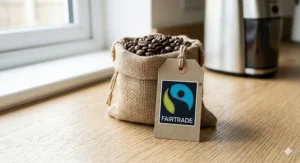
Here’s what most online guides won’t tell you: organic coffee behaves differently in British water and weather conditions than it does in the Mediterranean climates where most coffee advice originates. Our water is harder, our kitchens are colder, and our storage conditions are damper. These factors matter more than you’d think.
Storage in Damp British Homes
Organic coffee beans contain natural oils that oxidise faster when exposed to moisture, and British homes—particularly older terraced houses, Victorian conversions, and anything in Scotland or Wales—tend to run damper than modern builds. This means your beans can go stale or develop off-flavours within two to three weeks if stored improperly.
The solution is deceptively simple: keep beans in an airtight container in a cool, dark cupboard—not the fridge, which introduces condensation every time you open the container. If you live in a particularly damp flat, consider using a vacuum-sealed container like the Coffee Gator (available on Amazon.co.uk for around £20-£25). It’s one of those purchases that seems fussy until you taste the difference between beans stored for three weeks in a regular jar versus a proper sealed canister.
Grinding for British Tap Water
UK tap water varies wildly by region. London water is notoriously hard, full of calcium and magnesium that can make coffee taste flat or chalky. Scottish water, by contrast, is beautifully soft, which brings out more acidity and brightness in lighter roasts. Understanding your local water is particularly crucial when brewing organic coffee, because the cleaner flavour profile means there’s less roast bitterness to mask water imperfections.
If you’re in a hard water area (pretty much anywhere in the South East), consider using a Brita filter or bottled water for coffee. Yes, it’s an extra faff, but it genuinely transforms how organic coffee tastes. The money you’re spending on premium beans is essentially wasted if you’re brewing with water that contains 300+ ppm calcium carbonate.
Seasonal Adjustments
British weather affects coffee brewing more than most guides acknowledge. In winter, when your kitchen is colder, your espresso machine takes longer to heat properly, and your beans require a slightly finer grind to extract properly. In summer (or what passes for summer in Britain), beans extract faster, and you might need to grind coarser or reduce brew temperature by a degree or two.
The practical takeaway: if your morning espresso suddenly tastes sour or bitter despite using the same beans and grind setting you’ve used for weeks, check the room temperature. A 5°C difference in your kitchen can meaningfully affect extraction, particularly with lighter organic roasts that are less forgiving than dark Italian blends.
Real-World UK Buyer Scenarios
Scenario 1: London Commuter Seeking Convenience
Profile: Works in Canary Wharf, lives in a Zone 3 flat with limited kitchen space, drinks two double espressos daily before leaving for work and a flat white at lunch.
Best Choice: Grind Coffee House Blend in compostable pod format.
Why this works: The pods fit Nespresso machines, which require minimal counter space and cleaning time. The subscription model means fresh pods arrive through the letterbox every month without requiring you to remember to re-order. At around £8-£12 per 250g equivalent, it’s more expensive than beans, but you’re paying for time saved on grinding and cleaning—worth it when you’re trying to get out the door by 7:15 for the Northern Line.
The organic certification means you’re avoiding pesticide residues even when rushing through your morning routine, and the composting aspect appeals to urban dwellers who want to reduce waste but don’t have space for elaborate recycling systems.
Scenario 2: Suburban Manchester Family
Profile: Two adults, two teenagers, household gets through about 1.5kg of coffee per month. Mixed preferences—Dad wants strong espresso, Mum prefers smooth filter coffee, teens occasionally make iced lattes.
Best Choice: Rave Coffee Signature Blend 1kg bags.
Why this works: The medium-dark roast handles both espresso and filter brewing without compromise. Buying in 1kg bags brings the cost down to around £13-£16 per kilo, which is crucial when you’re consuming 18kg annually. The lack of formal organic certification is offset by Rave’s ethical sourcing practices, and the flavour is approachable enough that even the teenagers (who normally drink Costa) find it palatable.
Keep one bag in current use in an airtight container, and store the backup bag in a cool cupboard away from the boiler. At this consumption rate, you’ll finish each kilo within two to three weeks, well before staleness becomes an issue.
Scenario 3: Scottish Highlands Retired Couple
Profile: Two people, living in rural Perthshire, drink primarily morning cafetière and occasional afternoon pour-over. Prioritise ethics and environmental impact, budget is flexible.
Best Choice: Bird & Wild Coffee or Union Hand-Roasted Natural Spirit.
Why this works: The Bird Friendly certification aligns with countryside living and appreciation for wildlife. Scottish water is naturally soft, which brings out the brighter, more delicate flavours in Union’s light-roasted blends—something harder to appreciate in harder water regions. The seasonal rotation keeps things interesting when you’re drinking the same coffee every morning for years.
Order in 200g bags to maintain freshness, since consumption is lower. Consider trying different origins each season—Ethiopian in spring for floral notes, Colombian in autumn for warmer caramel tones. The per-gram cost is higher, but for a household drinking perhaps 500g monthly, the annual difference between this and cheaper organic options is only about £40-£50—negligible in retirement.
How to Choose Organic Coffee Beans in the UK
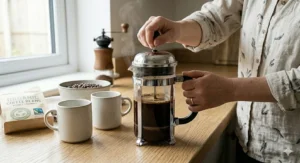
Selecting the right organic coffee beans for your situation comes down to five key factors, weighted differently depending on your priorities:
1. Certification Level and Lab Testing
What to look for: Soil Association Organic certification is the UK gold standard, representing stricter requirements than basic EU Organic. Some brands, like Balance Coffee, go further with published independent lab testing for mycotoxins, heavy metals, and pesticide residues.
UK-specific consideration: Post-Brexit, some European organic certifications are no longer automatically recognised in GB (though they still apply in Northern Ireland under the Protocol). Check that your beans carry either Soil Association or UK-recognised EU Organic certification to ensure they meet domestic standards.
When this matters most: Health-conscious buyers, pregnant women, people with sensitivities to chemicals, anyone drinking 3+ cups daily.
2. Roast Profile and Water Compatibility
What to look for: Match roast darkness to your local water hardness. Light roasts (often labelled “filter roast” or “Nordic style”) work beautifully in soft water areas (Scotland, Wales, parts of Northern England) but can taste thin or sour in hard water regions (South East England, East Anglia). Medium-dark roasts are more forgiving and work across all UK water types.
UK-specific consideration: Our climate means we’re generally making coffee indoors year-round, unlike Mediterranean regions where outdoor cafés dominate. This affects optimal roast profiles—British kitchens tend to be cooler, which slightly slows extraction and favours medium roasts over ultra-light styles.
When this matters most: If you’ve tried “good” coffee before and found it too acidic or weak, it’s likely a water-roast mismatch rather than your palate being “wrong.”
3. Packaging and Delivery for UK Conditions
What to look for: Nitrogen-flushed one-way valve bags, letterbox-friendly packaging, subscription options that account for British consumption patterns (typically 200g-500g every 2-4 weeks for a two-person household).
UK-specific consideration: Damp climate means improper packaging leads to faster staling. Brands like Grind and Rounton design packaging specifically for UK conditions, which matters more than exotic origin stories.
When this matters most: Subscription buyers, anyone who’s had delivery issues with bulky packaging requiring redelivery.
4. Price-to-Quality Ratio at UK Consumption Rates
What to look for: Calculate cost per cup rather than per bag. A £20 bag of Balance Coffee delivering 30 excellent cups costs 67p per cup—cheaper than buying a flat white from Pret (£3.20) and healthier than supermarket beans (which may only cost £4 per bag but deliver poor flavour and unknown chemical residues).
UK-specific consideration: Factor in delivery costs. Amazon.co.uk Prime eliminates this for many brands, but direct subscriptions often offer better per-bag pricing once you account for 20% subscriber discounts.
When this matters most: Daily drinkers, households with multiple coffee consumers, anyone replacing café purchases with home brewing.
5. Sustainability Beyond Organic Certification
What to look for: Fairtrade or direct trade relationships, compostable packaging, B Corp certification, demonstrable farm investment. Bird & Wild’s RSPB donation model and Rave’s 1% for the Planet membership show commitment beyond just organic farming.
UK-specific consideration: British consumers increasingly expect brands to address the full supply chain, not just their own operations. Look for roasters who publish origin relationships and pay transparency.
When this matters most: Environmentally conscious buyers, those wanting their purchase to actively support farming communities, anyone who shops primarily on ethical grounds.
Common Mistakes When Buying Organic Coffee Beans
Mistake 1: Assuming All Organic Certifications Are Equal
The term “organic” covers a wide spectrum. EU Organic certification (the green leaf logo) requires beans to be grown without synthetic pesticides and fertilisers, but it doesn’t mandate lab testing for contaminants, nor does it guarantee ethical labour practices. Soil Association Organic goes further with stricter animal welfare and environmental standards, though even this doesn’t verify the absence of mould or mycotoxins unless the roaster conducts additional testing.
What many UK buyers miss is that “organic” doesn’t automatically mean “healthy” in the broader sense. Coffee can meet organic standards but still contain naturally occurring toxins if stored improperly or grown in contaminated soil. This is why brands like Balance Coffee, which publish third-party lab results, command a premium—you’re paying for verification that goes beyond the baseline certification.
UK-specific pitfall: Post-Brexit regulatory divergence means some EU Organic products may not meet GB requirements by 2027 when transition periods end. If you’re buying European organic coffee, verify it carries both EU Organic and recognition for sale in Great Britain.
Mistake 2: Ignoring Roast Date for Organic Premium
There’s a peculiar psychology around organic coffee: buyers will pay £8 for a 200g bag of certified organic beans, then let them sit in the cupboard for three months because they “cost too much to waste.” This is counterproductive. Coffee flavour peaks 7-21 days after roasting and declines rapidly thereafter, particularly for lighter organic roasts that lack the char and oils of darker roasts to mask staleness.
Check the roast date (printed on most speciality bags) and aim to consume beans within 4-6 weeks of that date. If you’re a slow drinker, buy smaller bags more frequently rather than stockpiling. The money you’re spending on organic certification is wasted if you’re drinking stale coffee that tastes flat regardless of how it was grown.
UK-specific context: British weather accelerates staleness due to higher humidity. A bag that might stay fresh for eight weeks in dry climates like Spain or California will only maintain peak flavour for four weeks in a damp Manchester flat.
Mistake 3: Buying Organic Beans for a Sub-Par Grinder
This mistake is so common it deserves its own heading: spending £20 on premium organic beans, then grinding them in a £15 blade grinder that produces uneven particles ranging from powder to gravel. Inconsistent grind size is the single biggest killer of coffee quality, regardless of how the beans were grown.
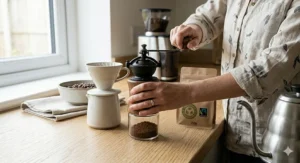
If you’re serious about organic coffee, invest in a decent burr grinder. The cheapest acceptable option for UK buyers is the Krups GVX2 (around £35-£40 on Amazon.co.uk), which produces reasonably consistent grounds for filter brewing. For espresso, you need to step up to something like the Sage Smart Grinder Pro (around £160-£200), which offers stepless adjustment and proper burr spacing.
The uncomfortable truth: mediocre beans ground perfectly will taste better than exceptional beans ground poorly. If your budget forces a choice between premium organic coffee and a proper grinder, buy the grinder first and run cheaper beans through it until you can afford both.
Mistake 4: Assuming Organic Means “Mild” or “Weak”
There’s a persistent misconception, particularly among UK coffee drinkers raised on Italian roast supermarket blends, that organic coffee is somehow gentler or less robust. This conflates organic farming practices with roast profile, which have nothing to do with each other.
Organic coffee can be roasted to any darkness level—from ultra-light Ethiopian single origins that taste like bergamot tea, to dark Italian roasts that border on charcoal. What you’re noticing when organic coffee tastes “different” is usually the absence of bitterness that comes from chemical residues or cheap Robusta beans masking poor-quality Arabica. Clean, properly grown organic coffee actually tends to have more flavour clarity, not less strength.
UK buyer guidance: If you’re transitioning from supermarket Italian roast to organic speciality coffee, start with medium-dark blends like Grumpy Mule Top Notch or Rounton Granary rather than jumping straight to light Ethiopian single origins. Give your palate time to adjust to what coffee tastes like when it’s not covered in char and chemicals.
Mistake 5: Neglecting Water Quality
You can buy the finest Soil Association certified beans from a prize-winning farm in Colombia, grind them perfectly, and still produce terrible coffee if you’re brewing with hard London tap water. Calcium carbonate, magnesium, and chlorine all interfere with extraction, particularly noticeable with organic coffee’s cleaner flavour profile.
Test your water hardness (free test kits available from water companies across the UK) and adjust accordingly. Hard water (200+ ppm) benefits from filtering or using bottled water for coffee. Soft water (under 100 ppm) can make coffee taste too acidic and may require adding a pinch of mineral solution like Third Wave Water (available on Amazon.co.uk for around £12-£15 per packet).
Scottish vs English consideration: If you’re reading American or European coffee advice, remember that Scottish tap water is naturally soft (often under 50 ppm), while South East England water is very hard (300+ ppm). Brewing advice that works for one won’t necessarily work for the other.
UK Regulations, Safety Standards & Legal Requirements
Current Organic Certification Framework (2026)
As of April 2026, organic coffee sold in Great Britain must comply with retained EU regulations 834/2007 and 889/2008, though Northern Ireland continues to follow the newer EU regulation 2018/848 under the Protocol. This creates a slight divergence in standards depending on where your coffee is certified.
For GB buyers, look for the Soil Association symbol, which meets UK requirements and often exceeds them in areas like permitted processing aids and packaging standards. The certification process involves annual farm audits, testing of soil samples, and verification that no prohibited substances (synthetic pesticides, GMOs, certain fertilisers) have been used for at least three years prior to certification.
Practical import consideration: Some specialty organic coffees from EU roasters may carry only the EU Organic leaf logo. These remain legal for sale in GB through 2026 under transition arrangements, but from 2027 onwards, they’ll need additional GB recognition. If you’re buying direct from European roasters rather than through UK distributors, verify the certification status to avoid future supply disruptions.
Food Standards Agency Requirements
Beyond organic certification, coffee sold in the UK must meet Food Standards Agency regulations on contaminant levels. Maximum permitted levels for ochratoxin A (a mycotoxin that can form on improperly stored coffee) are set at 5 micrograms per kilogram for roasted coffee beans—though this is rarely tested unless there’s a specific complaint or recall.
This is where brands like Balance Coffee, which conduct independent third-party testing for mycotoxins and publish results, provide an extra layer of safety verification beyond what’s legally required. Most UK roasters don’t test for these contaminants, relying instead on visual inspection and trust in their supply chain.
Consumer Rights Act 2015 Protection
UK buyers have stronger protections than many realise. Under the Consumer Rights Act 2015, coffee must be “as described,” meaning if a roaster claims beans are “organic,” they must hold valid certification to prove it. If you receive beans that taste off or don’t match the description, you have 30 days to reject them for a full refund, and up to six months to report faults where the burden of proof is on the retailer to show the product wasn’t faulty at the time of sale.
For Amazon.co.uk purchases, this is generally straightforward—Amazon’s A-to-Z Guarantee covers most issues. For direct roaster subscriptions, check their returns policy. Reputable UK roasters like Rounton and Union offer satisfaction guarantees that go beyond legal requirements, but smaller operations may be less flexible.
Post-Brexit Import Duties and VAT
Coffee itself is currently zero-rated for VAT in the UK (you don’t pay VAT on the beans themselves), but roasted coffee products may include VAT in the listed price depending on how they’re classified. If you’re ordering from EU roasters post-Brexit, be aware that orders over £135 may incur import duties (currently zero for coffee, but subject to change) plus handling fees from courier companies.
Practically speaking, this makes buying from UK-based roasters more straightforward for most consumers. Brands available on Amazon.co.uk have already cleared customs and include all applicable charges in the listed price.
Organic Coffee Beans vs Conventional: UK Price Analysis
Let’s address the elephant in the room: organic coffee costs more. But how much more, and is the premium justified when you’re already paying London prices for everything else?
Price Comparison: Per-Cup Reality
- Supermarket conventional beans (Lavazza, Illy, own-brand): £4-£6 per 250g = approximately 16-20p per cup
- Mid-range organic (Grumpy Mule, Rounton): £7-£9 per 200g = approximately 35-45p per cup
- Premium organic with lab testing (Balance Coffee): £20-£25 per 250g = approximately 65-80p per cup
For context, a flat white from a London chain costs £3.20-£3.80. If you’re replacing two shop-bought coffees per day with home-brewed organic, even at the premium tier, you’re saving around £140-£160 monthly while drinking better coffee with verified purity.
What You’re Paying For
The price differential isn’t arbitrary. Organic farming requires more labour (manual weeding instead of herbicides, natural pest management), produces lower yields per hectare (around 20-30% less than conventional farms), and includes certification costs that small farms must absorb. UK roasters then add their own costs for small-batch roasting, proper packaging, and faster shipping to ensure freshness.
When you buy certified organic, the premium is funding: farm transition periods (three years of organic farming before certification kicks in, during which farmers bear costs without being able to charge organic prices), third-party auditing and testing, fair wages for farm workers, and supply chain transparency. Conventional coffee can externalise these costs, relying on synthetic inputs and lower labour standards to keep prices down.
UK-Specific Value Factors
British buyers face additional considerations that affect value calculations:
- Water quality impact: If you live in a hard water area and coffee tastes mediocre despite buying premium beans, you’re wasting money regardless of certification. Factor in filtering costs (around £20-£40 annually for Brita cartridges) when calculating true coffee expenses.
- Storage lifespan: UK humidity means organic beans stay fresh for shorter periods. A £6 bag that goes stale in three weeks provides worse value than a £9 bag you finish in three weeks while it’s at peak flavour.
- Health cost offsets: This is harder to quantify, but if you’re drinking 3+ cups daily of conventional coffee with pesticide residues, the long-term health costs may exceed the upfront premium for organic. This calculation becomes more pressing for pregnant women, people with chemical sensitivities, or anyone dealing with existing health conditions.
Where to Compromise (and Where Not To)
If budget is tight, here’s where to save without completely abandoning organic principles:
Acceptable compromises:
- Buy 1kg bags of less-premium organic brands (brings per-gram cost down significantly)
- Choose organic certification over additional health testing (Soil Association alone provides substantial safety assurance)
- Opt for seasonal/rotating blends rather than single-origin (usually £1-£2 cheaper per bag)
Don’t compromise on:
- Grinder quality (no point buying organic beans to destroy them with a blade grinder)
- Roast date freshness (stale organic coffee is still stale coffee)
- Storage method (airtight containers prevent waste from premature staleness)
The maths works out differently for everyone, but for most UK households drinking 500g-1kg monthly, the annual cost difference between conventional and mid-tier organic is around £150-£200—roughly the cost of two dinners out in London or one weekend mini-break. Whether that’s worth it depends on your priorities.
Frequently Asked Questions
❓ Are organic coffee beans better for high blood pressure?
❓ Do organic coffee beans contain less caffeine than conventional coffee?
❓ Can I use organic coffee beans in a bean-to-cup machine?
❓ Where can I buy organic coffee beans in the UK with fast delivery?
❓ Is Soil Association organic certification worth the extra cost?
Conclusion: Finding Your Perfect Organic Coffee Match
The British coffee landscape has changed dramatically over the past five years. What was once a choice between bland supermarket blends and intimidatingly expensive speciality roasters has evolved into a genuinely accessible organic market where you can find quality beans at almost any price point. Whether you’re spending £7 per 200g on Grumpy Mule’s certified organic or £25 on Balance Coffee’s lab-tested premium blends, you’re participating in a market that’s getting better every year.
The most important takeaway from this guide isn’t about which brand to buy—it’s about understanding what matters to you. If you’re primarily driven by health concerns and drink three cups daily, the premium for independently lab-tested organic like Balance Coffee is easily justified. If you’re focused on environmental impact and wildlife conservation, Bird & Wild’s Bird Friendly certification and RSPB donations align perfectly with those values. If you simply want decent organic coffee without breaking the bank, Grumpy Mule or Rounton offer exceptional value for daily drinking.
For UK buyers specifically, remember that our water quality, storage conditions, and brewing preferences differ meaningfully from the American and European markets where most coffee advice originates. A light Ethiopian single origin that scores 90+ points in Seattle might taste thin and sour brewed with hard London water. A nitrogen-flushed bag that stays fresh for eight weeks in dry California might go stale in four weeks in a damp Manchester flat. These aren’t failures of the coffee—they’re mismatches between product and environment that you can avoid by choosing beans roasted and packaged with British conditions in mind.
Start with one bag from the recommendations above that matches your budget and brewing method. Pay attention to the roast date, store it properly in an airtight container, and use filtered water if you’re in a hard water area. Give yourself three bags to dial in grind settings and brewing ratios before judging whether organic coffee “works” for you. Most people who claim organic coffee tastes weak or overly acidic are actually experiencing water quality issues or improper grinding—fix those variables first before concluding the beans aren’t right.
The money you’re spending on certified organic coffee isn’t just buying a product—it’s funding farming systems that protect soil health, support biodiversity, and avoid saturating ecosystems with synthetic chemicals. It’s ensuring the farmers growing your beans earn enough to maintain quality standards rather than cutting corners. And it’s protecting your own health from daily exposure to pesticide residues that accumulate over years of consumption.
That morning ritual—kettle click, grinder whir, aroma filling the kitchen—deserves coffee that’s grown right, roasted fresh, and delivered with some care about what happens at both ends of the supply chain. Whether that’s a £7 bag of Grumpy Mule or a £25 bag of Balance Coffee depends on your circumstances, but the choice to buy organic at all already puts you in a better place than 80% of UK coffee drinkers still reaching for whatever’s on offer at Tesco.
Recommended for You
- 7 Best Kenyan Coffee Beans UK: Bold Blackcurrant Flavours 2026
- 7 Best Single Origin Coffee Beans UK 2026
- 7 Best Colombian Coffee Beans UK 2026
Disclaimer: This article contains affiliate links. As an Amazon Associate, I earn from qualifying purchases. If you purchase products through these links, we may earn a small commission at no additional cost to you.
✨ Found this helpful? Share it with your mates! 💬🤗
