
In This Article
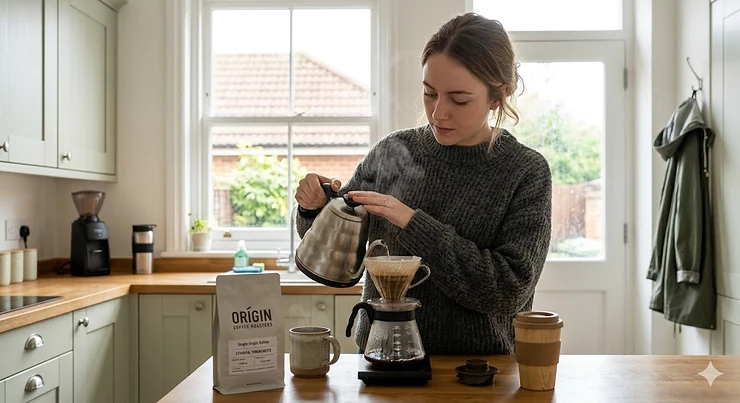
Picture this: you’re standing in your kitchen on a grey Tuesday morning, the kettle’s just boiled, and you’re about to grind beans that travelled from a single Ethiopian hillside to your cupboard in Bristol. One sip, and you taste the terroir — the soil, the altitude, the processing method — all captured in a cup that’s distinctly, unmistakably this place.
That’s the magic of single origin coffee. Unlike blends that combine beans from multiple regions for consistency, single origin coffee showcases the unique character of one specific location. It might be a single farm in Rwanda, a cooperative in Colombia, or a particular lot from Guatemala’s highlands. The result? Flavour profiles that change with the seasons, tell stories of their origin, and give you a proper appreciation for coffee as an agricultural product rather than just a morning pick-me-up.
For British coffee enthusiasts, the single origin market has exploded over the past five years. What was once the preserve of hipster cafés in Shoreditch has become mainstream, with Amazon.co.uk now stocking everything from bright Ethiopian naturals to chocolatey Brazilian washed lots. According to the Food Standards Agency, coffee quality and sourcing transparency have become major consumer priorities in the UK market — and single origin beans tick both boxes rather nicely.
But here’s the rub: with hundreds of options on Amazon.co.uk alone, how do you separate the genuinely exceptional from the overpriced mediocrity? I’ve spent the past fortnight brewing my way through the top-rated single origin coffees available to UK buyers, comparing everything from Ethiopian Yirgacheffe to Guatemalan Huehuetenango. What follows is an honest, no-nonsense guide to the best single origin coffee beans you can order right now, with real-world tasting notes, practical brewing advice, and — crucially — guidance on which ones actually justify their price tags in British pounds.
Quick Comparison Table
| Coffee | Origin | Roast Level | Tasting Notes | Price Range | Best For |
|---|---|---|---|---|---|
| Rave Coffee Brazil Fazenda | Brazil | Medium | Dark Chocolate, Molasses, Red Apple | £14-£18/250g | Espresso lovers, beginner-friendly |
| Coffee World Ethiopia Yirgacheffe | Ethiopia | Light-Medium | Floral, Citrus, Blueberry | £12-£16/250g | Filter brewing, adventurous palates |
| Der-Franz Colombia | Colombia | Medium | Caramel, Nutty, Mellow | £12-£15/kg | Budget buyers, everyday drinking |
| Union Coffee Timana | Colombia | Medium | Plum, Molasses, Turkish Delight | £16-£20/kg | Milk-based drinks, balanced cups |
| Coffee World Guatemala | Guatemala | Medium | Chocolate, Citrus, Floral | £13-£17/kg | Versatile brewing, rich body |
| Coffee World Rwanda Inzovu | Rwanda | Medium | Cranberry, Black Tea, Raisin | £13-£17/kg | Filter coffee, complex sweetness |
| Rightbean Kenya Peaberry | Kenya | Medium | Blackcurrant, Rhubarb, Bright Acidity | £18-£22/500g | V60 enthusiasts, fruit-forward fans |
💬 Just one click — help others make better buying decisions too! 😊
Top 7 Single Origin Coffee Beans: Expert Analysis
1. Rave Coffee — Brazil Fazenda Campestre Nº 109
Rave Coffee’s Brazil Fazenda Campestre represents everything that makes Brazilian coffee approachable yet sophisticated. This is a medium roast from a specific farm (Fazenda Campestre) rather than a generic regional lot, which immediately tells you the roaster cares about traceability.
The beans deliver classic Brazilian character: dark chocolate dominates the front palate, followed by molasses sweetness and a surprising hint of red apple acidity that keeps things lively. It’s grown at moderate altitude in Brazil’s traditional coffee regions, processed using the pulped natural method that gives it a fuller body than washed coffees whilst maintaining clarity. For UK buyers, this translates to a forgiving bean that works across multiple brewing methods — I’ve pulled excellent espresso shots with it, and it’s equally at home in a cafetière where the fuller body shines through.
What sets Rave apart is their commitment to freshness: they roast daily in their UK facility and ship same-day, meaning your beans arrive within 48 hours of roasting. In the damp British climate where coffee goes stale faster than you’d think, this matters more than most people realise. The 1% for the Planet pledge is a nice touch too, though let’s be honest — you’re buying this for the flavour, not the corporate responsibility statement.
UK customer feedback consistently praises the balance and approachability. One reviewer mentioned it “tastes exactly like a high quality coffee from a coffee shop,” which is precisely the point — this is café-quality coffee you’re brewing at home in Manchester or Edinburgh.
Pros:
✅ Versatile across brewing methods — espresso, filter, cafetière all work
✅ Roasted fresh daily in UK, shipped same day
✅ Beginner-friendly flavour profile without being boring
Cons:
❌ 250g bags mean frequent reordering for heavy drinkers
❌ Brazilian coffees can feel “safe” compared to exotic African origins
Price & Verdict: Around £14-£18 for 250g makes this mid-priced but justified by freshness and consistency. Ideal for British coffee drinkers transitioning from supermarket blends who want quality without the shock of a £40-per-kilo Gesha.
2. Coffee World — Ethiopia Yirgacheffe
Coffee World’s Ethiopia Yirgacheffe is what happens when you let terroir do the talking. Grown in the birthplace of coffee at 1,800+ metres elevation, these beans are as close as you’ll get to tasting what coffee originally was before humans started mucking about with processing and roasting.
The flavour profile is polarising in the best way: intensely floral (think jasmine and bergamot), citrusy (lemon zest rather than sweet orange), and backed by a blueberry sweetness that UK reviewers consistently mention. One Amazon.co.uk customer described it as having “a subtle vanilla flavour that makes it a bit different without being too much,” which undersells the complexity — this is a coffee that reveals new layers as it cools.
Roasted in Cambridge and available on Amazon Prime, it benefits from relatively short supply chains for UK delivery. The light-to-medium roast preserves the delicate aromatics that darker roasting would obliterate. In practical terms, this means it’s wasted on a French press (too much body obscures the clarity) but absolutely sings in a V60 or AeroPress where you can dial in the extraction.
For British palates accustomed to builder’s tea and Nescafé, this might feel like jumping into the deep end. But if you’ve been drinking Monmouth or Has Bean and want something similarly adventurous at a fraction of the price, Coffee World delivers. The washed processing gives it a clean, tea-like quality — which is either a revelation or disappointingly subtle, depending on whether you prefer punch or precision.
Pros:
✅ Exceptional clarity and complexity for the price
✅ Roasted in UK (Cambridge), Prime-eligible delivery
✅ Perfect introduction to East African coffee character
Cons:
❌ Light roast won’t suit espresso traditionalists
❌ Delicate flavours get lost in milk-based drinks
Price & Verdict: Around £12-£16 for 250g (roughly £48-£64/kg equivalent) positions this as specialty-grade pricing without the specialty shop markup. Best for UK filter coffee enthusiasts who appreciate nuance over boldness.
3. Der-Franz — Colombia Single Origin
Der-Franz Colombia Single Origin is the value champion of this roundup, offering legitimate single origin quality at £12-£15 per kilo — less than half what you’d pay for comparable Colombian beans from boutique UK roasters.
Roasted in Austria using traditional Viennese drum roasting since 1929, these beans bring old-world craftsmanship to a modern UK market obsessed with third-wave micro-roasters. The flavour profile is textbook Colombia: mellow acidity, caramel sweetness, nutty undertones, and a full body that holds up beautifully in milk. It’s the sort of coffee your Italian grandmother would approve of — comforting, balanced, and utterly unpretentious.
The UTZ certification (now part of Rainforest Alliance) provides ethical sourcing reassurance without the premium pricing of Fair Trade beans. For British buyers navigating post-Brexit import complexities, Der-Franz is reliably stocked on Amazon.co.uk with consistent pricing and Prime delivery availability.
What this coffee won’t do is dazzle you with exotic tasting notes or challenge your perception of what coffee can be. It’s a daily drinker par excellence — the sort of bean you buy in 1kg bags, grind fresh each morning, and never regret. One UK reviewer praised it for maintaining freshness even two months post-roast, though I’d still recommend consuming within four weeks in Britain’s humid climate.
The intensity rating of 3/5 and roasting level of 2/5 make it exceptionally versatile. I’ve used it for everything from ristretto to lungo to cappuccino, and it’s performed admirably across the board.
Pros:
✅ Outstanding value at under £15/kg
✅ UTZ/Rainforest Alliance certified for ethical sourcing
✅ Works across all brewing methods and preferences
Cons:
❌ Austrian roasting means longer shipping distances vs UK roasters
❌ Won’t impress coffee snobs seeking exotic profiles
Price & Verdict: This is the sweet spot for budget-conscious British buyers who refuse to compromise on genuine single origin quality. Perfect for households consuming 500g+ per week where boutique prices become prohibitive.
4. Union Coffee — Colombia Timana
Union Coffee’s Colombia Timana represents the premium end of UK-roasted Colombian beans, and the price difference over Der-Franz (roughly £17-£20/kg vs £12-£15) comes down to sourcing specificity and roasting philosophy.
Timana is a region in Colombia’s Huila department, and Union works directly with smallholder farmers there — which you can actually taste in the cup’s cleanliness and complexity. The flavour profile skews more interesting than typical Colombian coffee: plum and red fruit acidity, molasses sweetness, and distinctive Turkish delight aromatics that UK reviewers consistently mention. It’s medium roasted to bring out these characteristics rather than obliterating them with char.
For British espresso enthusiasts, this is a revelation in milk drinks. The plum and molasses notes cut through steamed milk without turning bitter, creating cappuccinos and flat whites that taste premium even from a basic home machine. One Amazon.co.uk reviewer called it “silky smooth in your mouth, perfectly balanced” when used in an AeroPress, and I’d agree — the mouthfeel is notably velvety for a washed Colombian coffee.
Union’s UK roasting facility (London) means faster delivery and fresher beans than internationally sourced competitors. The 1kg bags represent better value than 250g options, though be warned: one reviewer complained their beans were “over two months old” on arrival. This is the perpetual tension with Amazon distribution — you’re trading convenience for absolute freshness control.
The sustainability project aspect (Union pays above fair trade prices and works on long-term farmer partnerships) is genuine rather than greenwashing, though UK buyers in Leeds or Manchester probably care more about the fact it makes a brilliant Monday morning flat white.
Pros:
✅ Exceptional in milk-based drinks — cappuccinos, flat whites, lattes
✅ Ethical sourcing with direct farmer relationships
✅ UK-roasted in London for shorter supply chains
Cons:
❌ Freshness can vary when buying via Amazon vs direct
❌ Higher price point than Der-Franz for similar origin
Price & Verdict: Around £17-£20/kg makes this mid-to-premium pricing, justified if you’re primarily making milk drinks where the complexity shines. Not worth the premium if you’re drinking it black — stick with Coffee World in that case.
5. Coffee World — Guatemala Single Origin
Coffee World’s Guatemala Single Origin from the Huehuetenango region is where Central American coffee starts getting properly interesting. Grown at high altitude (1,400-1,900 metres) in volcanic soil under shade trees, these beans develop a complexity that supermarket Guatemalan blends can’t touch.
The flavour profile walks a fascinating line between familiar and exotic: chocolate and caramel provide the comforting base notes UK palates expect, but there’s a distinct floral character (the descriptor “delicate floral undertones” appears repeatedly in Amazon.co.uk reviews) and a tropical fruit brightness that keeps things lively. The citrus hint is more orange peel than lemon zest, which makes it approachable for British drinkers who find Ethiopian coffees too sharp.
What struck me most is the body — it’s fuller and more syrupy than you’d expect from a washed Central American coffee, which UK reviewers appreciate. One mentioned it being “fabulous taste, not too strong” which captures the balance: there’s depth and richness without the aggressive intensity that puts some British drinkers off specialty coffee.
Cambridge-roasted with Prime delivery means UK buyers in Birmingham or Glasgow can order Monday evening and be brewing by Wednesday morning. The medium roast suits our climate too — in the damp British autumn and winter, lighter roasts can taste thin and acidic, but Guatemala’s natural sweetness prevents this becoming one-dimensional.
The £13-£17/kg pricing puts it squarely between budget (Der-Franz) and premium (Rave, Union) options. For the quality on offer — genuine single region traceability, ethical sourcing via Coffee World’s established supply chains, and flavours that work across espresso and filter — this represents cracking value.
Pros:
✅ Balanced flavour accessible to British palates
✅ Excellent body and mouthfeel for filter and espresso
✅ Ethical sourcing from established supply chains
Cons:
❌ Won’t wow specialty coffee veterans seeking extremes
❌ Floral notes can be subtle compared to East African coffees
Price & Verdict: Mid-range pricing (£13-£17/kg) for above-average quality makes this the “daily driver” choice for UK households wanting reliable excellence. Particularly suited to British weather — rich enough for grey mornings, bright enough for (rare) sunny afternoons.
6. Coffee World — Rwanda Inzovu
Coffee World’s Rwanda Inzovu is the wild card in this roundup — a coffee that challenges British expectations of what African beans should taste like. “Inzovu” means elephant in Kinyarwanda, which suits the distinctive character: memorable, a bit exotic, and impossible to ignore once you’ve experienced it.
Grown at 1,400-1,900 metres across Rwanda’s “land of a thousand hills” by 35,000+ smallholder farmers, these beans undergo meticulous sorting at the Rwanda Trading Company before export. That quality control shows in the cup: there’s a clarity and cleanliness that UK reviewers consistently praise, with the flavour profile leaning towards cranberry sweetness, black tea astringency, and raisin/dried fruit notes rather than the explosive citrus of Ethiopian beans.
For British filter coffee enthusiasts, this is a revelation — particularly in a V60 or Chemex where the tea-like quality and fruity sweetness come through beautifully. It’s less successful in espresso (the brightness can turn sharp under pressure) but absolutely shines in milk as a cortado or piccolo where the cranberry notes create an almost dessert-like complexity.
The washed processing gives it that clean profile, whilst the Bourbon and Typica varietals (heirloom cultivars) provide depth that newer hybrid beans lack. In practical terms for UK buyers: this coffee rewards attention and experimentation. It’s not a “chuck it in the cafetière and forget it” bean — it’s asking you to dial in your grind, water temperature, and brew time to unlock its potential.
Amazon.co.uk reviews mention the “sweet fruity aftertaste” and note it’s “truly representative of the bright coffee Rwanda is famed for,” which is accurate. Just be prepared: if you’re used to the chocolate-and-nuts comfort of Brazilian or Colombian beans, Rwanda’s fruit-forward profile takes some adjustment.
Pros:
✅ Unique flavour profile — cranberry, tea, dried fruit
✅ Exceptional clarity from meticulous processing
✅ Brilliant in filter methods (V60, Chemex, AeroPress)
Cons:
❌ Can be sharp/tart in espresso extraction
❌ Fruit-forward profile won’t suit traditional British tastes
Price & Verdict: At £13-£17/kg, this represents excellent value for what’s essentially a specialty-grade East African coffee. Best for adventurous UK buyers ready to step beyond Central/South American comfort zones.
7. Rightbean Coffee — Kenya Peaberry
Rightbean’s Kenya Peaberry is the premium offering in this roundup, and the £18-£22 for 500g (£36-£44/kg equivalent) pricing reflects both the scarcity and exceptional quality of Kenyan peaberry beans.
For those unfamiliar: peaberries are genetic mutations where the coffee cherry develops a single rounded bean instead of two flat-sided beans. They represent roughly 5% of any harvest and are hand-sorted for separate roasting. The theory — borne out in the cup — is that all the cherry’s nutrients go into one bean, creating more concentrated flavours.
This particular Kenya delivers classic Kenyan character dialed up to eleven: bright blackcurrant acidity (so pronounced one UK reviewer called it “lively”), rhubarb tartness, and a full body that prevents it becoming one-dimensional. It’s the sort of coffee that tastes expensive — complex, distinctive, and utterly unlike anything you’d encounter in a high street café.
Roasted fresh in the UK and shipped within 2-3 business days, Rightbean’s commitment to quality shows from first whiff to final sip. The beans are genuinely fresh (crucial for African coffees where staleness kills the delicate fruit notes), and the roast level is perfectly judged to preserve brightness without astringency.
For British V60 enthusiasts, this is near-perfect: use 15g coffee to 250ml water at 93°C, and you’ll extract a cup that showcases why Kenyan coffee commands premium prices globally. It’s less versatile than the Central/South American options here — forcing it through an espresso machine feels like a waste, and it’s completely lost in milk — but for filter brewing, it’s exceptional.
The sustainability credentials (ethical sourcing, Rightbean’s guarantee of satisfaction or refund) provide reassurance, though at this price point, you’re primarily paying for the beans themselves. One UK reviewer called it “the best of the Peaberry I have been able to find,” and whilst I haven’t tasted every Kenyan peaberry on Amazon.co.uk, I’d struggle to argue.
Pros:
✅ Rare peaberry beans with concentrated flavour
✅ Brilliant for filter methods (V60, Chemex, AeroPress)
✅ Roasted fresh in UK with rapid delivery
Cons:
❌ Premium pricing (£36-44/kg equivalent)
❌ Not versatile — wasted in espresso or milk drinks
Price & Verdict: This is a “treat yourself” coffee rather than a daily drinker. Perfect for Sunday morning pour-overs when you want to taste something genuinely special, but prohibitively expensive for weekday consumption unless you’re rather flush.
What Actually Is Single Origin Coffee? (And Why British Buyers Should Care)
Single origin coffee means your beans come from one identifiable place — whether that’s a single country (Brazil), a specific region (Ethiopia Yirgacheffe), or even one farm (Fazenda Campestre). It’s the opposite of a blend, where roasters combine beans from multiple origins to achieve consistency and balance.
The term borrows heavily from the wine industry’s concept of “terroir” — the idea that soil composition, altitude, climate, and processing methods create distinctive flavours unique to that location. Just as a Malbec from Mendoza tastes nothing like one from Cahors, an Ethiopian Yirgacheffe tastes radically different from a Brazilian Santos, even though both are Arabica coffee. According to Wikipedia, these environmental factors influence everything from bean density to sugar development during growing.
For British buyers specifically, single origin coffee offers something blends can’t: traceability and seasonality. You know exactly where your beans came from, who grew them (increasingly important for ethical consumption), and when they were harvested. The flip side? Single origins change with the seasons. That Guatemala you loved in March might taste subtly different when the next harvest arrives in October. Weather, processing variations, even the specific picking day all affect the final cup.
This seasonality frustrates some British coffee drinkers who want predictable flavour year-round. Fair enough — that’s precisely what blends provide. But for those who appreciate coffee as an agricultural product (like wine or olive oil), the vintage-to-vintage variation is part of the appeal. You’re tasting what nature delivered that particular year rather than a roaster’s idealised flavour profile assembled from multiple origins.
The single origin market in the UK has exploded since around 2015, driven partly by specialty coffee shops (Monmouth, Square Mile, Has Bean) educating consumers, and partly by Amazon.co.uk making these beans accessible outside London’s coffee bubble. You can now order legitimate Ethiopian or Kenyan beans to Newcastle or Cardiff just as easily as Londoners.
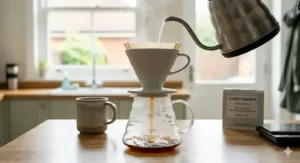
One practical consideration for British buyers: single origins generally work best in brewing methods that showcase clarity and complexity — V60, Chemex, AeroPress, or well-dialled espresso machines. They’re often wasted in a cheap drip machine or a cafetière with boiling water, where the nuance gets obliterated. If you’re still brewing with a £15 supermarket machine, stick with blends until you upgrade your equipment.
How to Choose Single Origin Coffee for British Conditions
Consider Your Climate Reality
Here’s what nobody tells British buyers: our damp, mild climate affects how coffee tastes and stores. Those specialty roasters recommending you finish beans “within two weeks of roasting”? That’s California advice. In a draughty Sheffield flat or a humid London basement kitchen, coffee oxidises faster than you’d think.
Practically, this means:
Darker roasts survive British dampness better. The oils on the bean surface actually protect against moisture absorption. If you’re storing coffee in a standard kitchen cupboard rather than a temperature-controlled vault, that Brazilian medium-dark will outlast an Ethiopian light roast by a week or more.
Buy smaller quantities more frequently. Those 1kg bags look like value, but unless you’re consuming 50g+ daily, you’ll be drinking stale coffee by week three. The 250g format forces freshness discipline, even if the per-gram cost is higher.
Sealed containers are non-negotiable. In British humidity, coffee left in its original bag (even “resealable” ones) goes flat within days. Proper airtight containers with one-way valves aren’t optional — they’re essential for preserving the brightness that makes single origins worthwhile.
Match Coffee to Your Brewing Method
British coffee culture skews heavily toward milk drinks — cappuccinos, flat whites, lattes — which utterly wrecks the delicate flavours single origins offer. If you’re primarily making milky coffee, you’re wasting money on expensive Kenyan peaberries. Stick with chocolatey Brazilian or Colombian beans that can punch through steamed milk.
For filter coffee (V60, Chemex, AeroPress, or even a decent drip machine), Ethiopian and Kenyan beans shine. Their bright acidity and fruit notes come through beautifully in black coffee but turn weirdly tart in milk.
Guatemalan and Rwandan beans split the difference — complex enough for filter, robust enough for espresso.
Budget Realistically in GBP
Specialty single origin coffee in the UK typically costs £25-60 per kilo when buying direct from roasters. Amazon.co.uk pricing runs slightly lower (£15-45/kg) but with variable freshness.
Here’s the value ladder:
- £10-18/kg: Budget tier (Der-Franz, some Coffee World). Genuine single origin but older roasts or less prestigious regions.
- £18-30/kg: Sweet spot (Coffee World, Union, Rave). Fresh UK-roasted beans from respected origins.
- £30-60/kg: Premium (Rightbean peaberries, rare microlots). You’re paying for scarcity and exceptional processing.
Beyond £60/kg, you’re either buying something genuinely rare (Gesha varietals, competition-grade lots) or being mugged. Unless you’re a professional cupper, the difference between a £40 and £80 coffee is marginal at best.
Check Amazon.co.uk Availability and Delivery
Post-Brexit, some European roasters have stopped shipping to the UK, and US roasters charge eye-watering import duties. Amazon.co.uk solves this by stocking UK-compatible products with Prime delivery, but be warned: “Amazon’s Choice” badges mean nothing for coffee freshness.
Always check:
- Roast date if listed (rare on Amazon but some brands include it)
- Seller location (UK sellers mean faster delivery, EU sellers may have customs delays)
- Prime eligibility (non-Prime coffee often sits in warehouses for months)
The brands in this roundup (Rave, Union, Coffee World, Der-Franz, Rightbean) all ship reliably to UK addresses with reasonable delivery times, which is half the battle when buying specialty coffee online.
Single Origin vs Blends: Which Suits British Tastes?
The single origin versus blend debate is coffee’s equivalent of vinyl versus digital audio — passionate advocates on both sides, each convinced the other is missing the point entirely.
Blends are designed for consistency. A good roaster will adjust the blend components season-by-season to maintain the same flavour profile year-round. For British commercial coffee shops serving hundreds of flat whites daily, this predictability is essential. You can’t have your signature house espresso tasting radically different every quarter.
Single origins celebrate variability. You’re tasting a specific harvest from a specific place, which means flavour changes with the weather, processing methods, and even the farmer’s decisions that year. For home brewers who appreciate coffee as an agricultural product, this vintage-to-vintage variation is fascinating rather than frustrating.
In practical terms for British buyers:
If you drink coffee with milk (lattes, cappuccinos, flat whites), blends often perform better. They’re designed to cut through milk without turning bitter or disappearing entirely. Many single origins — particularly bright African coffees — taste weird and tart when combined with steamed milk.
If you drink black coffee (Americanos, filter, AeroPress), single origins showcase complexity that blends deliberately mute. You’ll taste the fruit notes, the floral aromatics, the specific terroir character that makes an Ethiopian Yirgacheffe taste nothing like a Guatemalan Huehuetenango.
If you’re new to specialty coffee, start with blends. They’re more forgiving when your grind size is wrong or your water temperature is off. Once you’ve dialled in your technique, single origins reward precision with flavour nuance blends can’t match.
The good news? You don’t have to choose. Most British households would benefit from keeping both: a versatile blend for weekday milk drinks and rushed mornings, plus a single origin for weekend pour-overs when you’ve got time to appreciate the details.
Common Mistakes British Buyers Make (And How to Avoid Them)
Buying Based on Origin Alone
“I like Ethiopian coffee” is about as useful as saying “I like French wine.” Ethiopia produces everything from floral, tea-like Yirgacheffe to earthy, full-bodied Sidamo to wild, fermented natural process beans that taste like blueberry compote. The country is massive, with radically different growing regions, processing methods, and varietals.
Instead, look for region specificity (Yirgacheffe, not just “Ethiopia”), processing method (washed, natural, honey), and roast level. An Ethiopian natural processed dark roast tastes nothing like an Ethiopian washed light roast, even if both came from the same farm.
Ignoring Roast Dates
British consumers are trained to check best-before dates on food, but coffee’s “best before” is largely meaningless. What matters is the roast date — when the beans were actually roasted.
Ideally, you want beans roasted within the past 2-4 weeks. After week four in British humidity, even well-stored beans start losing the brightness and aromatics that justify single origin pricing. After two months, you’re drinking expensive mediocrity.
Unfortunately, Amazon.co.uk rarely displays roast dates, and many sellers keep stock for months. This is the perpetual tension between convenience and quality. If absolute freshness matters, buy direct from UK roasters (Rave, Union, Has Bean) even if it costs slightly more.
Brewing with Boiling Water
The UK’s obsession with “a proper brew” (meaning tea made with properly boiling water) has infected coffee culture, and it’s destroying expensive single origins.
Boiling water (100°C) over-extracts coffee, pulling out bitter compounds and obliterating delicate flavours. For most single origins, you want water at 90-96°C — just off the boil, not actively bubbling.
In practical terms: boil your kettle, pour your water into a jug or server, wait 30 seconds, then brew. This simple step prevents that harsh, bitter edge that makes people think they don’t like specialty coffee when actually they just don’t like burnt coffee.
Storing Coffee in the Freezer
British households learned from somewhere (probably daytime TV) that freezing coffee preserves freshness. This is half-true and fully problematic.
Freezing can preserve coffee long-term, but only if done properly: vacuum-sealed in individual portions, never refrozen after thawing, and used for espresso rather than filter (where freezer condensation affects extraction).
The reality in most UK kitchens? Coffee gets shoved in the freezer alongside last week’s fish fingers, absorbs freezer flavours, collects condensation every time the door opens, and ends up tasting like frozen cardboard.
Better approach: Buy fresh, store in an airtight container away from light and heat, and consume within 3-4 weeks. This sounds obvious, but it beats 90% of British coffee storage practices.
Assuming Expensive Equals Better
The UK specialty coffee market has a dirty secret: pricing often reflects marketing and packaging rather than bean quality. That £45/kg coffee in the minimalist bag with trendy typography might be objectively worse than the £18/kg option from Coffee World, but it looks premium, so consumers pay the premium.
To avoid this: Ignore the branding and focus on specifics. Where exactly was this grown? What processing method? What roast date? If the seller can’t or won’t tell you, they’re selling marketing rather than coffee.
The beans in this roundup all provide genuine traceability and quality, which is why they’re included regardless of packaging aesthetics.
Brewing Guide: Getting the Best From Your Single Origin Beans
For Filter Coffee (V60, Chemex, Clever Dripper)
Single origin shines brightest in filter methods that showcase clarity and complexity. The key is controlled extraction — pulling out the good flavours (fruit, florals, sweetness) whilst leaving behind the bitter compounds.
Basic Recipe:
- Ratio: 60g coffee per litre of water (or 15g per 250ml cup)
- Water temp: 92-94°C for light roasts, 90-92°C for medium roasts
- Grind: Medium-fine, like caster sugar texture
- Time: 2:30-3:30 minutes total brew time
For Ethiopian and Kenyan beans (bright, fruity), err on the lower water temperature (90-91°C) and slightly coarser grind to prevent astringency. These coffees reward gentle extraction.
For Brazilian and Colombian beans (chocolatey, nutty), you can push hotter water (93-95°C) and slightly finer grind to extract more body and sweetness.
Common British mistake: Using too much coffee. That 1:15 ratio (60g per litre) is a starting point, not a rule. If your coffee tastes bitter and harsh, you’re likely over-extracting. Try 55g per litre or coarser grind before assuming the beans are bad.
For Espresso (Home Machines)
Single origin espresso is where things get properly finicky. You’re working with high pressure and short extraction times, which amplifies any inconsistencies in grind, dose, or temperature.
Basic Recipe:
- Dose: 18-20g in double basket
- Yield: 36-40g liquid (1:2 ratio)
- Time: 25-30 seconds
- Temp: 91-94°C depending on roast
Brazilian beans (Rave Fazenda Campestre) are the most forgiving — pull them anywhere in the normal range, and they’ll deliver balanced chocolate-caramel shots.
Colombian beans (Union Timana, Der-Franz) reward slightly longer extractions (30-35 seconds) to develop their complexity. If your shot tastes sour, you’re under-extracting; bitter means over-extracting.
African beans (Ethiopian Yirgacheffe, Kenyan Peaberry) are brutal in espresso. The bright acidity can turn aggressively sour if under-extracted, or harshly bitter if over-extracted. You want very precise grind control and temperature stability — difficult on budget machines. These beans genuinely perform better as filter.
For milk drinks: Brazilian and Colombian beans cut through milk beautifully. African beans often taste weird and tart in lattes — save them for black coffee.
For Cafetière (French Press)
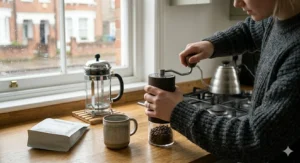
The cafetière is wrongly dismissed by coffee snobs as primitive, but it’s actually brilliant for showcasing body and texture in single origin coffee. The immersion brewing extracts oils and suspended solids that paper filters remove, giving you a fuller, heavier cup.
Basic Recipe:
- Ratio: 65g coffee per litre (slightly more than filter to account for the mesh)
- Grind: Coarse, like sea salt
- Water temp: 93-95°C
- Time: 4 minutes steep, then press and pour immediately
Common British cafetière sins:
- Letting it steep too long whilst you finish breakfast (over-extraction, bitterness)
- Using too fine a grind (sludgy cup, over-extraction)
- Forgetting to decant (coffee continues extracting in the press, turning bitter)
Best beans for cafetière: Guatemalan, Brazilian, and Colombian — anything with natural body and sweetness. Ethiopian coffees can work but lose some of their delicate aromatics in the heavier mouthfeel.
Storage and Freshness in the British Climate
Britain’s temperate, humid climate is coffee’s enemy. Beans oxidise faster when exposed to moisture, and our homes are rarely temperature-controlled like warehouses.
Best practices:
- Airtight container with one-way valve (lets CO2 escape without letting oxygen in)
- Cool, dark cupboard away from kettle steam or radiator heat
- Whole beans (grind just before brewing — pre-ground goes stale in days)
- Consume within 3-4 weeks of roast date
What doesn’t work:
- Original bags with fold-over tops (not airtight, beans oxidise rapidly)
- Transparent containers on countertops (light degrades flavour)
- Refrigerator storage (condensation and absorbed odours ruin the coffee)
If you’ve bought a 1kg bag and can’t consume it fast enough, portion it into 100g amounts in vacuum bags, freeze those immediately, and thaw one portion at a time. Don’t open, close, and refreeze — you’ll wreck the beans with condensation.
Real-World Scenarios: Which Coffee for Which British Buyer
The London Commuter Making Espresso at Home
Situation: You’ve got a £200-400 home espresso machine (Gaggia Classic, Sage Barista Express), and you’re making double shots most mornings before rushing to the Tube. You want something reliable that tastes good without requiring PhD-level precision.
Best choice: Rave Coffee Brazil Fazenda Campestre or Der-Franz Colombia
Why: Brazilian and Colombian beans are espresso’s comfort zone — forgiving, balanced, and consistent across a range of extraction parameters. If your grind is slightly off or your machine’s temperature fluctuates (which budget machines do), these beans won’t punish you with sour or bitter extremes. The chocolate-caramel profile works beautifully in milk if you’re making the occasional weekend cappuccino. Rave gives you fresher beans, Der-Franz gives you better value — choose based on budget.
Avoid: Ethiopian Yirgacheffe or Kenyan Peaberry. They’re stunning when extracted perfectly, but “perfectly” means precise grind, stable temperature, and careful attention — none of which you have time for on a Tuesday morning in Clapham.
The Manchester Couple Using a V60
Situation: You’ve fallen down the specialty coffee rabbit hole, you’re watching James Hoffmann videos, and you’ve bought a V60, Hario grinder, and gooseneck kettle. Weekends are for experimenting with brew ratios, and you drink coffee black to appreciate the nuance.
Best choice: Coffee World Ethiopia Yirgacheffe or Rightbean Kenya Peaberry
Why: Filter methods showcase exactly what makes single origin exciting: clarity, complexity, fruit notes, floral aromatics. Ethiopian Yirgacheffe offers these qualities at accessible pricing (£12-16/250g), making it perfect for experimentation without bankrupting yourself. Once you’ve mastered extraction, splurge on Rightbean’s Kenya Peaberry for a “proper treat yourself” weekend brew — the concentrated peaberry flavours are stunning in a well-dialled V60.
Avoid: Der-Franz Colombia. It’s perfectly fine coffee, but at this level of brewing equipment and attention, you want something that rewards precision with complexity. Colombian beans are too consistent and “safe” to fully appreciate what your fancy kit can do.
The Birmingham Family with a Bean-to-Cup Machine
Situation: You’ve invested in a Delonghi or Jura bean-to-cup machine (£300-800 range), you’re mostly making cappuccinos and lattes, and you want something better than supermarket beans without obsessing over every variable.
Best choice: Union Coffee Colombia Timana or Coffee World Guatemala
Why: Bean-to-cup machines excel with medium-roasted, balanced beans that work across espresso and milk drinks. Union Timana’s plum and molasses notes cut through milk beautifully, creating those “café-quality” cappuccinos at home. Guatemala from Coffee World offers similar versatility at lower cost. Both handle automatic grinding and extraction variability better than temperamental African beans.
Avoid: Anything too light-roasted or fruit-forward. Your machine’s probably extracting slightly too hot (most bean-to-cups do), which will make bright African coffees taste harsh and astringent. Stick with Central/South American origins until you’re ready to manually dial in temperature settings.
The Edinburgh Student on a Budget
Situation: You’re sick of instant coffee but have £20/month to spend on beans, you’re using a cheap cafetière or AeroPress, and you want genuine quality without specialty shop pricing.
Best choice: Der-Franz Colombia Single Origin
Why: £12-15 for a full kilo of legitimate single origin coffee is absurdly good value. You can consume 50g per day (£0.60-75 per day) and still have fresh beans for three weeks. The Colombian profile is friendly for beginners — not too acidic, not too bitter, just reliably pleasant whether you’re brewing in a cafetière or an AeroPress. Stick with 1kg bags to maximise value, and store properly in an airtight container.
Upgrade path: Once you’re consuming coffee confidently and want more complexity, graduate to Coffee World’s Ethiopian or Guatemalan offerings. They’re only slightly more expensive but offer the brightness and fruit notes that make specialty coffee exciting.
The Cardiff Retiree Exploring Specialty Coffee
Situation: You’ve drunk builder’s tea and Nescafé for forty years, but a trendy grandson introduced you to “proper coffee” and now you’re curious. You’ve got time to brew carefully, and you want something interesting but not alienatingly weird.
Best choice: Coffee World Guatemala or Rave Coffee Brazil Fazenda Campestre
Why: Both offer a bridge between familiar coffee flavours (chocolate, caramel, nuts) and specialty complexity (floral notes, fruit brightness). Guatemala particularly suits this profile — it’s got enough chocolate-caramel to feel recognisable, but the citrus and floral notes introduce you to what makes single origin exciting without feeling like you’re drinking scented tea. Rave’s Brazil is equally accessible, with the red apple acidity preventing it from being boring.
Avoid: Jumping straight to Ethiopian Yirgacheffe or Kenyan Peaberry. The fruit-forward, tea-like profiles are too radical a departure from traditional British coffee expectations. You’ll think it’s faulty or weird rather than appreciating the complexity. Work up to African coffees after you’ve recalibrated your palate on Central/South American offerings.
Long-Term Cost & Value Analysis in the UK Market
Let’s talk money properly. The specialty coffee marketing machine loves telling you to “invest in quality beans,” but what does that actually mean when you’re buying in pounds rather than Instagram captions?
Breaking Down Real Costs
Supermarket Blend Baseline: Tesco Finest or Waitrose own-brand beans: £5-7/kg. You’re getting consistency, freshness is variable (could be six months old), and quality is… fine. Not offensive, not exciting, just reliably mediocre.
Budget Single Origin (Der-Franz): £12-15/kg. You’re paying roughly double supermarket pricing for genuine origin traceability, ethical sourcing certification, and noticeably superior flavour. For most British households consuming 500g-1kg monthly, this is an extra £3-5 per month over supermarket beans.
Mid-Range Single Origin (Coffee World, Union): £18-30/kg. You’re paying for UK roasting (faster delivery, fresher beans), more prestigious origins (Ethiopian Yirgacheffe vs generic “African blend”), and tighter quality control. For 500g monthly consumption, that’s £9-15/month vs supermarket beans.
Premium Single Origin (Rightbean Peaberry): £36-44/kg. You’re paying for scarcity (peaberries represent 5% of harvests), exceptional processing, and bragging rights. This is “treat yourself” territory rather than daily drinking for most budgets.
The Hidden Costs British Buyers Forget
Grinder: You cannot — genuinely cannot — appreciate single origin coffee with a £15 blade grinder that turns beans into inconsistent dust. A decent burr grinder (Wilfa Svart, Sage Smart Grinder) costs £80-150. This isn’t optional; it’s the price of entry to specialty coffee.
Storage: Airtight containers with one-way valves: £10-25. Seems trivial until you’ve wasted £30 on premium Kenyan beans that went stale in their original bag within two weeks.
Brewing Equipment: If you’re serious about single origin, budget £50-200 for proper brewing kit:
- V60 + filters + kettle: £50-100
- AeroPress + filters: £30-50
- Decent cafetière: £15-30
Wastage: This is the silent budget killer. You buy a 1kg bag of Ethiopian Yirgacheffe, discover you hate it after 200g, and the rest sits in your cupboard going stale. Suddenly your “good value” bulk buy has cost you £40 for coffee you’ll never drink. Start with 250g bags until you know what you actually like.
Value vs. Price: What’s Actually Worth It?
Best value in this roundup: Der-Franz Colombia and Coffee World Ethiopia Yirgacheffe. Both deliver genuine single origin quality at prices that don’t require financial justification. If you’re drinking 30-50g daily, the cost difference vs supermarket beans is negligible (£0.20-40 extra per day), but the quality gulf is massive.
Worth the premium: Union Coffee Timana for milk drink enthusiasts. Yes, it’s £17-20/kg vs £12-15 for Der-Franz Colombia, but if you’re primarily making cappuccinos and flat whites, the extra fiver per kilo buys you plum and molasses complexity that elevates every cup. Over a month of daily consumption, that’s about 15p extra per cappuccino for café-quality flavour.
Hard to justify: Rightbean Kenya Peaberry at £36-44/kg. It’s objectively excellent coffee — bright, complex, memorable. But unless you’re earning enough that an extra £20-30 per kilo genuinely doesn’t matter, there’s limited practical difference between this and Coffee World’s Ethiopian Yirgacheffe for filter brewing. You’re paying for scarcity and prestige rather than proportional quality improvement.
The honest answer for most British households? Mix and match based on use. Keep Der-Franz or Coffee World for weekday consumption and automatic routines. Save Rave or Union for weekend brewing when you’ve got time to appreciate the nuance. Reserve premium beans like Rightbean for special occasions rather than daily drinking.
This approach means your monthly coffee spend might be £20-35 rather than £50-80, whilst still experiencing the full range of what single origin offers. You’re not compromising on quality; you’re just being strategic about when quality differences actually matter.
FAQs: Single Origin Coffee for British Buyers
❓ Can I get single origin coffee beans delivered in the UK with next-day shipping?
❓ How do I store single origin coffee beans in Britain's damp climate?
❓ Are single origin beans better than blends for making cappuccinos in the UK?
❓ Do UK single origin coffee beans need UKCA certification?
❓ What's the best single origin coffee for beginners in the UK?
Conclusion: Finding Your Perfect Single Origin Coffee
The British coffee landscape has transformed over the past decade from instant granules and stewed filter pots to a genuine appreciation for terroir, processing methods, and origin transparency. Single origin coffee sits at the heart of this revolution — offering traceability, seasonality, and flavour complexity that blends deliberately mute.
But here’s the thing most specialty coffee evangelists won’t tell you: single origin isn’t inherently “better” than blends. It’s different. If you drink your coffee with milk, make it in a rush most mornings, or simply prefer consistency over vintage-to-vintage variation, blends might serve you better. And that’s perfectly fine.
Where single origin excels — genuinely excels, in ways that justify the premium pricing — is in showcasing what coffee can be when terroir, processing, and roasting align. That first sip of a properly brewed Ethiopian Yirgacheffe tastes nothing like any coffee you’ve encountered in a high street café. The cranberry sweetness of Rwandan beans, the blackcurrant brightness of Kenyan peaberries, the chocolate-red apple complexity of Brazilian fazendas — these aren’t marketing descriptions. They’re genuine flavour experiences that only single origin can deliver.
For British buyers specifically, the accessibility has never been better. Amazon.co.uk now stocks legitimate specialty beans with Prime delivery, UK roasters ship rapidly across England, Scotland, and Wales, and pricing has settled into a sustainable £15-40/kg range that doesn’t require trust fund income.
The seven coffees in this guide represent different entry points to single origin:
Der-Franz Colombia is your budget gateway — genuine single origin quality at supermarket-adjacent pricing.
Coffee World’s range (Ethiopia, Guatemala, Rwanda) offers exceptional variety and value for exploring different origins without financial commitment.
Rave and Union provide the UK-roasted freshness and sourcing transparency that specialty coffee purists demand.
Rightbean Kenya Peaberry is the “treat yourself” option — brilliant coffee that’s difficult to justify as daily drinking but absolutely worth experiencing occasionally.
Start with one bag that matches your brewing method and flavour preferences. If you’re primarily making milk drinks, choose Brazilian or Colombian. If you’re exploring filter coffee, lean Ethiopian or Guatemalan. If you’ve got budget constraints, Der-Franz offers unbeatable value. If freshness is paramount, Rave’s same-day roasting and shipping cannot be beaten.
Whichever you choose, remember: single origin coffee is meant to be enjoyed, not worshipped. Don’t let specialty coffee culture intimidate you into thinking you need a £2,000 espresso setup or sommelier-level tasting vocabulary. A £30 AeroPress, a decent grinder, fresh beans, and attention to water temperature will get you 90% of the way there. The final 10%? That’s for professionals and obsessives.
Most importantly, if you try a single origin and hate it, that’s data, not failure. Maybe Ethiopian Yirgacheffe’s floral brightness isn’t your thing. Perhaps Kenyan acidity feels too sharp. That’s completely fine — you’ve learned something about your palate, and there are dozens of other origins to explore. The beauty of single origin coffee is its diversity. Somewhere between Ethiopia and Brazil, Guatemala and Rwanda, there’s a coffee that’ll make you stop mid-sip and think, “Ah. So this is what all the fuss is about.”
Find that coffee. Buy it regularly. Brew it properly. Enjoy the hell out of it. That’s the entire point.
Recommended for You
- 7 Best Colombian Coffee Beans UK 2026
- 7 Best Ethiopian Coffee Beans UK 2026
- Best Italian Roast Coffee Beans: 7 Bold UK Picks (2026)
Disclaimer: This article contains affiliate links. As an Amazon Associate, I earn from qualifying purchases. If you purchase products through these links, we may earn a small commission at no additional cost to you.
✨ Found this helpful? Share it with your mates! 💬🤗
