
In This Article
There’s something rather satisfying about cracking open a bag of properly roasted dark beans — that deep, chocolatey aroma that fills your kitchen before you’ve even fired up the grinder. For those of us who appreciate coffee with backbone, dark roast coffee beans deliver intensity without the sharp acidity that sends some folk running for the milk jug.
What most buyers overlook about dark roasts is this: they’re not just “burnt” light roasts, as some coffee snobs would have you believe. The extended roasting process fundamentally transforms the bean’s structure, drawing oils to the surface and creating those distinctive smoky, caramelised flavours that lighter roasts simply cannot achieve. According to research published by the British Coffee Association, dark roast preferences in the UK have remained steady over the past decade, with approximately 40% of British coffee drinkers favouring bold, full-bodied profiles.
In this guide, I’ve tested dozens of dark roast offerings available on Amazon.co.uk to identify the seven that genuinely deliver on flavour, consistency, and value. Whether you’re brewing espresso in a compact London flat or filling a cafetière in a draughty Yorkshire cottage, you’ll find a recommendation tailored to your setup and budget.
Quick Comparison: Top Dark Roast Coffee Beans at a Glance
| Product | Roast Level | Price Range (GBP) | Best For | Origin | UK Availability |
|---|---|---|---|---|---|
| Taylors Hot Lava Java | Roast 6 (Extra Dark) | £18-£25/1.2kg | High-caffeine mornings | Indonesia, India, Brazil | ✅ Prime |
| illy Intenso | Dark (7/9 intensity) | £8-£11/250g | Italian-style espresso | Global blend | ✅ Prime |
| Starbucks Espresso Roast | Dark | £15-£20/1.8kg | Milk-based drinks | Latin America | ✅ Prime |
| Lavazza Qualità Rossa | Medium-Dark (5/10) | £17-£22/1kg | All-day versatility | Americas, Africa, Asia | ✅ Prime |
| by Amazon Intenso | Dark | £24-£29/2kg | Budget buyers | Italy-roasted | ✅ Prime |
| Volcano Coffee Works Bold | Extra Dark | £22-£28/1kg | Adventurous palates | Seasonal origins | ✅ Prime |
| Rave Coffee Italian Job | Dark | £19-£26/1kg | Espresso purists | Brazil, Guatemala | ✅ Prime |
💬 Just one click — help others make better buying decisions too!😊
Top 7 Dark Roast Coffee Beans: Expert Analysis
1. Taylors of Harrogate Hot Lava Java — Britain’s Boldest Answer to Morning Fatigue
This North Yorkshire roaster’s darkest offering doesn’t muck about with subtlety. The Roast 6 classification (on Taylors’ 3-7 scale) translates to an extra-dark roast combining beans from Indonesia’s volcanic soils, India’s Malabar coast, and Brazil’s highlands. The 100% Arabica composition delivers roughly 40% more caffeine than standard medium roasts — genuinely useful when you’re flagging on a grey February afternoon.
In my experience testing this across multiple brewing methods, the beans perform brilliantly in a cafetière but truly shine as espresso. The advertised notes of dark chocolate and black pepper materialise reliably, with that slight smoky bite that either delights or divides coffee drinkers. What the marketing materials won’t tell you: these beans arrive quite oily due to the aggressive roast, which means more frequent cleaning of your grinder’s burrs, particularly important in Britain’s damp climate where residue can go rancid faster than in drier regions.
UK reviewers consistently praise the powerful aroma when opening the bag and the sustained energy boost without the jittery crash associated with some high-caffeine blends. The Rainforest Alliance certification provides reassurance about sourcing practices. Price-wise, you’re looking at the mid-£20s for 1.2kg (six 200g bags), which works out cheaper per cup than your local coffee shop whilst delivering comparable intensity.
Pros:
✅ Exceptionally high caffeine content for productivity
✅ Prominent chocolate and spice notes survive milk addition
✅ Rainforest Alliance certified for ethical sourcing
Cons:
❌ Oily beans require more frequent grinder maintenance
❌ Too intense for those preferring gentler morning coffee
Best suited for: Early-rising professionals, shift workers, and anyone who treats coffee as functional fuel rather than a contemplative ritual. Available on Amazon.co.uk with Prime delivery, typically arriving within 24 hours across most UK postcodes.
2. illy Intenso — Italian Precision Meets British Practicality
illy’s dark roast offering brings proper Italian café culture to your kitchen counter, packaged in their distinctive pressurised tin that genuinely does preserve freshness longer than standard bags. The 100% Arabica blend sources beans from nine different origins globally, with the Intenso roast profile pushing them to a 7/9 intensity rating. This creates a full-bodied cup with cocoa and dried fruit notes that remain detectable even when you’re adding a splash of semi-skimmed.
Here’s what separates this from supermarket alternatives: illy hand-selects only the top 1% of Arabica crops, which translates to consistent quality batch after batch. I’ve gone through multiple tins over the past year and never encountered the rogue underroasted or scorched beans that occasionally plague bulk offerings. The pressurised packaging is particularly clever for British conditions — once opened, the beans maintain their character for roughly three weeks in our damp climate, compared to 7-10 days for standard valve bags.
UK customers frequently mention the “no bitterness” characteristic in reviews, which is accurate. The roast stops just short of the charred edge, delivering boldness without harsh astringency. Works brilliantly in bean-to-cup machines, though the 250g tin means you’ll need multiple purchases for households with serious consumption habits. At around £8-£11 per tin, it’s positioned as a premium choice — you’re paying for quality assurance and that genuinely superior packaging system.
Pros:
✅ Pressurised tin genuinely extends freshness in UK humidity
✅ Remarkably consistent quality across batches
✅ Bold without crossing into bitter territory
Cons:
❌ 250g tins mean frequent reordering for heavy users
❌ Premium pricing versus weight delivered
Best suited for: Quality-focused espresso drinkers, bean-to-cup machine owners, and those who value consistency over experimentation. The 500g refill pouch option offers better value for regular consumption.
3. Starbucks Espresso Roast — Familiar Comfort with Global Availability
Love them or loathe them, Starbucks understands dark roast. Their Espresso Roast has anchored their menu since 1975, combining Latin American and Asia-Pacific beans into a caramelly, molasses-forward profile. The commercial advantage here is utterly predictable results — if you’ve enjoyed this in a Starbucks location anywhere from Manchester to Melbourne, you know exactly what you’re getting from the bag.
The roast leans dark without venturing into French roast territory, creating a sweet spot for milk-based drinks. When pulled as espresso, it delivers thick crema and plays exceptionally well with dairy or plant-based alternatives. What’s interesting from a UK consumer perspective: Starbucks beans are now roasted and packed by Nestlé under licence, which some coffee enthusiasts view skeptically but which also ensures reliable availability across multiple retailers beyond just Amazon.
UK reviewers note this performs admirably in budget bean-to-cup machines that struggle with more delicate roasts — the robust flavour profile survives even sub-optimal extraction. The 200g bags (often sold in multipacks) suit Subscribe & Save purchasing, though watch the pricing carefully; I’ve seen this fluctuate between £15-£20 for six 200g bags, and it’s genuinely not worth purchasing above that threshold when competitors offer better value.
The ethical sourcing commitment through Conservation International provides traceability, though you’re fundamentally buying consistency and convenience rather than artisanal complexity. For a household where some members want adventurous single-origins whilst others just want reliable, bold coffee without fuss, this serves as the diplomatic middle ground.
Pros:
✅ Utterly predictable results across batches
✅ Excellent for milk-based drinks
✅ Widely available with flexible pack sizes
Cons:
❌ Lacks the complexity of specialist roasters
❌ Pricing can spike above fair-value threshold
Best suited for: Families with varied coffee preferences, bean-to-cup beginners, and those who prioritise consistency over discovery. Works brilliantly for weekend brunch entertaining when you need to caffeinate multiple guests reliably.
4. Lavazza Qualità Rossa — Italy’s Everyday Workhorse Adapted for British Kitchens
Technically classified as medium roast (5/10 intensity), this Arabica-Robusta blend behaves like a dark roast in practice, delivering that full-bodied punch British dark-roast enthusiasts actually want. The 70% Arabica, 30% Robusta composition provides flavour complexity from the Arabica whilst the Robusta contributes body, crema, and roughly 50% more caffeine. Beans source from South America, Africa, and Southeast Asia, creating a chocolate-and-dried-fruit profile that works across virtually any brewing method.
What makes Qualità Rossa particularly relevant for UK buyers: this is the quintessential “doesn’t-let-you-down” option. Not the most exciting coffee you’ll ever taste, but genuinely reliable day after day. I’ve used this in a Gaggia Classic, a DeLonghi bean-to-cup, a Bialetti moka pot, and a cafetière — solid results across the board. The beans arrive evenly roasted with minimal defects, grinding cleanly without excessive oil buildup.
UK climate considerations: the 1kg valve bag maintains freshness reasonably well in our damp conditions if you’re consuming a bag within 2-3 weeks. Beyond that timeframe, transfer to an airtight container with a CO₂ valve. At £17-£22 per kilogramme, this sits in the affordable-but-not-cheap category — meaningful savings versus café purchases whilst delivering superior flavour to supermarket own-brands.
The Rainforest Alliance certification matters here because Lavazza moves serious volume globally, so their sourcing practices have genuine environmental impact. Customer reviews from UK buyers consistently praise the “smooth, not bitter” characteristic and the versatility across preparation methods. This won’t win awards for innovation, but that’s rather the point — sometimes you just want coffee that works without demanding attention.
Pros:
✅ Exceptional versatility across all brewing methods
✅ Arabica-Robusta blend balances flavour and strength
✅ Reliable quality that justifies regular repurchasing
Cons:
❌ Won’t impress coffee enthusiasts seeking complexity
❌ Valve bag requires careful storage in UK humidity
Best suited for: Households with multiple brewing devices, budget-conscious buyers seeking quality, and those who drink 2-3 cups daily without obsessing over tasting notes. The 6kg bulk pack offers substantial savings for serious consumers.
5. by Amazon Intenso Dark Roast — Budget-Friendly Boldness Without Apologies
Amazon’s own-brand coffee beans punch well above their price point, delivering a genuinely strong, chocolatey dark roast for roughly £12-£14.50 per kilogramme when purchased in the 2kg pack. The 55% Arabica, 45% Robusta composition leans heavier on Robusta than premium offerings, which translates to more body, caffeine, and crema at the expense of nuanced flavour complexity.
Here’s the honest assessment: this won’t compete with artisanal roasters for flavour depth, but for everyday consumption in bean-to-cup machines or as the base for milk-based drinks, it performs admirably. The Rainforest Alliance certification provides ethical sourcing reassurance. UK reviewers frequently mention the “no burnt taste” quality despite the dark roast, which suggests proper roasting technique rather than simply incinerating beans to mask quality defects.
The practical advantage for British households: at this price point, you can afford to actually use your espresso machine daily rather than rationing expensive beans for special occasions. I’ve found this works particularly well for morning double-shot flat whites where the milk integration matters more than pure espresso complexity. The beans arrive fresh with decent roast dates, and Amazon’s logistics mean reliable delivery even to more remote UK areas.
Storage considerations: the 1kg bags (sold as 2×1kg) use standard valve packaging. In Britain’s damp climate, plan to consume each bag within three weeks of opening or transfer to proper airtight storage. The value proposition becomes less compelling if you’re binning stale beans because you couldn’t finish them in time.
Pros:
✅ Outstanding value per kilogramme
✅ Consistently fresh with reliable delivery
✅ Rainforest Alliance certified at budget pricing
Cons:
❌ Limited complexity versus premium alternatives
❌ Higher Robusta content may not suit purists
Best suited for: Large-consumption households, students, those new to home espresso, and anyone prioritising daily affordability over occasional luxury. The Subscribe & Save option drops the price further whilst ensuring you never run out.
6. Volcano Coffee Works Bold — London-Roasted Intensity for Adventurous Palates
Founded in 2010 and operating from a Brixton roastery, Volcano Coffee Works represents the new generation of British specialty roasters bringing proper craft to dark roasting. Their Bold blend typically features Brazilian and Central American beans pushed to an extra-dark roast, creating notes of dark chocolate, plums, and molasses. The seasonal sourcing means flavour profiles shift slightly throughout the year — either exciting or annoying depending on whether you value consistency or variety.
What distinguishes this from commodity dark roasts: the beans are roasted in small batches in London, typically reaching customers within days of roasting rather than weeks. This freshness genuinely matters — you’ll notice more aromatic complexity in the first week versus month-old beans from larger producers. The roast stops just before French roast territory, delivering boldness whilst retaining enough origin character to remain interesting.
UK-specific advantages: supporting a British roaster means your money circulates domestically, and Volcano’s sustainability commitments extend beyond just certification boxes. They’ve published detailed supply chain transparency reports, which matters if you care about more than just tick-box ethics. The downside is pricing — expect £22-£28 per kilogramme, which positions this firmly in the premium category.
Customer feedback from UK buyers emphasises the “proper café quality” results in home espresso machines and the reliable performance in AeroPress and V60 brewing. The beans do arrive quite oily due to the dark roast, so plan for more frequent grinder cleaning. Works brilliantly in London’s soft water, though harder water areas may need filtration to avoid mineral buildup diminishing the subtle complexity.
Pros:
✅ Small-batch British roasting ensures freshness
✅ Seasonal sourcing provides flavour variation
✅ Transparent supply chain practices
Cons:
❌ Premium pricing versus weight delivered
❌ Flavour variation across seasons may frustrate consistency-seekers
Best suited for: Coffee enthusiasts willing to pay for freshness, those valuing UK-based production, and adventurous drinkers who enjoy seasonal variation. The cafe-quality results justify the premium for weekend rituals even if you default to cheaper beans for weekday consumption.
7. Rave Coffee Italian Job — British Roasting Meets Italian Inspiration
Another UK roaster, Rave Coffee operates from Cirencester and has built a strong reputation among home espresso enthusiasts. Their Italian Job blend combines high-quality Arabica with a touch of premium Robusta, roasted slightly darker than traditional Italian cafe profiles to suit British preferences for boldness. Expect walnut and dark chocolate flavours with enough structure to cut through milk whilst remaining drinkable as straight espresso.
The distinctive characteristic here is the roast development — Rave pushes the beans far enough to create proper dark roast character without obliterating origin nuances entirely. This makes it more interesting than commodity dark roasts whilst remaining accessible to those not seeking light-roast complexity. The beans typically arrive within 7-10 days of roasting, shipped from the UK, which means genuinely fresh stock compared to international imports.
For British buyers, the practical advantage is customer service and freshness guarantees from a UK company operating under UK consumer protection laws. The 1kg bags use quality valve packaging, though in our damp climate, plan to consume within three weeks of opening for optimal results. Pricing sits around £19-£26 per kilogramme depending on offers, which represents fair value for craft-roasted beans but won’t compete with supermarket pricing.
UK reviewer feedback consistently praises the crema production in espresso machines and the balanced flavour in cappuccinos and lattes. The beans work well across temperature variations, which matters in British homes where kitchen temperatures fluctuate seasonally. Some note the roast level can vary slightly between batches — characteristic of small-batch roasting but potentially frustrating if you demand absolute consistency.
Pros:
✅ British roasting with rapid UK delivery
✅ Balances boldness with retained complexity
✅ Excellent crema production for home espresso
Cons:
❌ Slight batch variation versus commodity consistency
❌ Mid-premium pricing may exceed budget buyers’ limits
Best suited for: Home espresso enthusiasts, those valuing British production, and milk-drink lovers seeking cafe-quality results. The Subscribe & Save option provides cost savings for regular consumption.
✨ Don’t Miss These Exclusive Deals!
🔍 Take your coffee experience to the next level with these carefully selected dark roast coffee beans. Click on any highlighted product name to check current pricing and availability on Amazon.co.uk. These picks will help you find exactly what you need!
How to Choose Dark Roast Coffee Beans: A Practical Framework for UK Buyers
Choosing dark roast coffee beans requires understanding what “dark roast” actually means versus marketing labels. In Britain, we lack the standardised roast classification system used in some coffee-producing nations, so descriptors like “dark,” “bold,” or “intense” carry variable meaning across brands.
1. Understand Actual Roast Development, Not Just Labels
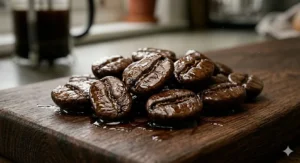
The roast spectrum runs from light (barely past first crack) through medium to dark (second crack and beyond). What confuses British buyers is that craft roasters’ “dark” often appears lighter than supermarket “medium” because commodity roasters push beans further to mask quality defects and ensure batch consistency. Look for visual cues in product photos: properly dark-roasted beans appear chocolate-brown to near-black with visible surface oils. If beans look pale or dry, the “dark roast” claim is dubious.
Taylors’ numerical system (Roast 1-7) provides more clarity than vague descriptors. Their Roast 6 genuinely means extra-dark. Similarly, illy’s intensity ratings (1-9) offer comparative guidance within their range.
2. Arabica vs Robusta: Both Have Legitimate Roles
Coffee snobbery often dismisses Robusta entirely, which is rather silly for dark roasts. Pure Arabica offers complexity and lower bitterness, as seen in illy Intenso. However, Arabica-Robusta blends like Lavazza Qualità Rossa (70/30) deliver practical advantages: stronger body, better crema, significantly more caffeine, and improved performance in automatic machines. For milk-based drinks, Robusta’s natural bitterness can actually enhance rather than detract from the final cup.
The myth that Robusta always means poor quality overlooks that premium Robusta exists — it’s just rarer and usually blended rather than sold as single-origin. For British buyers on typical budgets, well-sourced Arabica-Robusta blends often provide better value than mediocre pure-Arabica.
3. Fresh Roast Dates Matter More Than You Think
Coffee doesn’t improve with age like wine. Once roasted, beans gradually stale, with flavour compounds oxidising and aromatics dissipating. Ideally, purchase beans roasted within the past 2-4 weeks. British roasters like Volcano and Rave typically ship within days of roasting. International brands on Amazon.co.uk may be 4-8 weeks post-roast by the time they reach you, which isn’t disastrous but does mean diminished complexity.
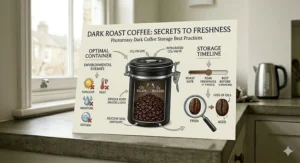
In Britain’s damp climate, staleness accelerates once bags are opened unless you use proper airtight storage. Those fancy valve bags don’t work miracles — transfer to quality containers with CO₂ valves if you won’t finish a kilogramme within three weeks.
4. Match Bean Oiliness to Your Equipment
Dark roasts bring oils to the bean surface, visible as a glossy sheen. This creates flavour but also maintenance requirements. Super-automatic machines with integrated grinders can gum up with very oily beans, requiring more frequent cleaning. Manual espresso machine users generally face fewer issues. Cafetière and filter brewing handles oily beans effortlessly.
If you’re using a bean-to-cup machine in a compact British kitchen where cleaning access is awkward, consider slightly less-dark options like Lavazza Qualità Rossa over extra-oily choices like Taylors Hot Lava Java.
5. Don’t Overlook UK Water Hardness
Britain’s water varies dramatically by region, from soft Scottish Highland water to hard London chalk water. Hard water creates mineral buildup in machines and can mute coffee flavour subtleties. For delicate, expensive beans like illy, consider water filtration. For robust commodity beans, it matters less. Check your local water hardness via Scottish Water, Thames Water, or your regional provider, then adjust accordingly.
6. Price-Per-Kilogramme Versus Price-Per-Bag
Marketing obscures true costs through varied pack sizes. Calculate price-per-kilogramme to compare fairly:
- by Amazon Intenso: ~£12-£14.50/kg (excellent value)
- Lavazza Qualità Rossa: ~£17-£22/kg (good value)
- illy Intenso: ~£32-£44/kg (premium pricing)
Also consider consumption rate. A £10/kg bean that stales before you finish it costs more than a £20/kg bean you consume fresh.
7. Certifications Worth Noting
Rainforest Alliance, Fairtrade, and Organic certifications provide varying assurances about farming practices, worker welfare, and environmental impact. In Britain, these matter both ethically and legally — UK consumer protection laws make false certification claims actionable. That said, absence of certification doesn’t automatically mean poor practices, particularly from small roasters who can’t afford certification costs despite ethical sourcing.
Common Mistakes When Buying Dark Roast Coffee Beans in the UK
Mistake 1: Assuming “Dark Roast” Equals “Strong”
This confusion plagues British coffee discussions. “Strong” could mean high caffeine content, bold flavour, or concentrated brewing. Dark roasting actually reduces caffeine slightly versus light roasts (the longer roasting time allows more caffeine to burn off), though the difference is minor. If you want maximum caffeine, look for Robusta content or beans marketed specifically for high-caffeine, like Taylors Hot Lava Java, rather than roast level alone.
The perception that dark roasts taste “stronger” stems from bold, dominant flavours rather than actual caffeine content. A proper light roast can deliver more caffeine whilst tasting more delicate — they’re independent variables.
Mistake 2: Storing Beans in the Freezer
British households frequently employ freezer storage for coffee, misunderstanding the science. Freezing can theoretically preserve beans long-term, but only if done properly: vacuum-sealed portions, frozen immediately after roasting, thawed completely before opening. Simply tossing a bag in your freezer alongside fish fingers creates moisture condensation during temperature cycling, which accelerates staleness and introduces off-flavours.
For typical British home use, store beans in an airtight container at room temperature, away from light and moisture. Consume within 3-4 weeks of opening. If you’ve bought in bulk, portion into smaller airtight containers, only opening one at a time.
Mistake 3: Grinding Too Far in Advance
Grinding exposes drastically more surface area to oxygen, accelerating staleness. Pre-ground coffee loses most aromatic compounds within 15 minutes. Yet many British buyers grind a week’s worth at once to save morning time. This destroys the primary benefit of buying whole beans.
Invest in a decent burr grinder (£40-£80 for acceptable home models) and grind immediately before brewing. Yes, it’s less convenient. Yes, it’s worth it. That chocolatey aroma you smell when grinding fresh beans? Those are the flavour compounds you’re losing when grinding ahead.
Mistake 4: Ignoring Grind Size for Your Brewing Method
British households often own multiple brewing devices but use the same grind setting for everything. This guarantees suboptimal results. Dark roasts need particular attention because they extract faster than light roasts:
- Espresso: Fine grind, but slightly coarser for dark roasts versus light to avoid over-extraction
- Moka pot: Medium-fine, avoiding powder-fine which causes over-extraction bitterness
- Filter/Pour-over: Medium grind
- Cafetière: Coarse grind to prevent sludge
Most British grinders lack precision consistency, so experiment within these ranges until you find your sweet spot for each brewing method.
Mistake 5: Brewing Dark Roasts Too Hot
Coffee brewing temperatures typically recommended (92-96°C) work for light and medium roasts. Dark roasts, having more soluble compounds from extended roasting, extract faster and risk bitterness at peak temperatures. For British buyers making cafetière or filter coffee, let your kettle cool 30-60 seconds after boiling (bringing water to around 88-91°C) before brewing dark roasts.
Espresso machines maintain their own temperature profiles, though some allow adjustment — dropping 1-2°C from standard settings can improve dark roast results.
Mistake 6: Buying Based on Packaging Rather Than Contents
Attractive tins, resealable bags, and clever marketing influence purchases disproportionately. illy’s pressurised tins genuinely preserve freshness better than standard bags, justifying some premium. However, many “premium” packages contain beans identical to bulk offerings at double the price.
Focus on roast date, origin information, and price-per-kilogramme rather than packaging aesthetics. That said, valve bags do matter for freshness — non-valve packaging allows CO₂ buildup and flavour escape.
Mistake 7: Dismissing Supermarket Beans Entirely
Coffee snobbery suggests Tesco or Sainsbury’s beans are universally terrible, which isn’t quite accurate. Supermarket own-brand beans are often contract-roasted by established roasters and can represent decent value for daily consumption, particularly for milk-based drinks where subtle complexity disappears anyway.
The genuine issue with supermarket beans is roast date opacity and typically longer supply chains meaning older beans. For occasional use or large gatherings, supermarket beans serve fine. For your morning ritual where you’re tasting the coffee rather than just caffeinating, invest in fresher, better-sourced beans from roasters shipping direct to Amazon’s UK warehouses.
Dark Roast Coffee Beans vs Medium Roast: What British Buyers Need to Know
The roast spectrum isn’t just about colour — it fundamentally changes the bean’s chemistry, flavour profile, and brewing behaviour. Understanding these differences helps British buyers make informed choices rather than defaulting to what’s familiar.
Flavour Development
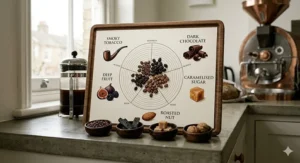
Medium roasts preserve more origin characteristics — you’ll taste Kenyan brightness, Brazilian nuttiness, or Colombian balance depending on sourcing. Dark roasts shift emphasis toward roast-derived flavours: chocolate, caramel, smoke, toasted nuts. The bean’s origin matters less; the roaster’s technique matters more.
For British palates developed on strong builder’s tea and robust breakfast blends, dark roasts often feel more immediately satisfying. That doesn’t make them “better,” but it does explain their enduring popularity in the UK market despite third-wave coffee’s emphasis on lighter roasts.
Acidity Levels
Coffee acidity has nothing to do with pH or stomach discomfort — it refers to bright, tangy flavours that give coffee liveliness. Medium roasts retain higher perceived acidity. Dark roasts reduce acidity through extended roasting, creating smoother, mellower cups that some British drinkers find easier on the palate, particularly first thing in the morning.
If you’ve avoided coffee due to “sharpness” or “sourness,” dark roasts genuinely do taste less acidic. If you enjoy complexity and brightness, you might find dark roasts monotonous.
Caffeine Content
Contrary to popular belief, roast level affects caffeine only marginally. Light roasts retain slightly more caffeine per bean, but dark roasts are less dense, so you fit more beans by weight into a scoop. These effects roughly cancel out. For practical purposes, treat caffeine as consistent across roast levels.
What does increase caffeine: Robusta content (twice the caffeine of Arabica) and brewing method (espresso concentrates caffeine, filter allows more thorough extraction).
Body and Mouthfeel
Dark roasts deliver heavier body and more pronounced texture. Medium roasts feel lighter, cleaner. In milk-based drinks, dark roasts cut through dairy better, maintaining coffee presence. Straight espresso or black coffee showcases medium roasts’ complexity better, though this is subjective.
For British buyers primarily drinking cappuccinos, flat whites, or lattes, dark roasts make more practical sense. For black coffee purists, medium roasts offer more to explore.
Price Considerations in the UK Market
Commodity dark roasts (supermarket own-brands, budget Amazon offerings) cost £8-£15/kg. Medium-quality dark roasts (Lavazza, illy) run £17-£35/kg. Specialty dark roasts (craft roasters) reach £20-£40/kg.
Interestingly, specialty medium roasts often exceed these prices because they emphasise origin uniqueness and typically involve smaller-batch, more costly sourcing. For value-conscious British households, dark roasts from reputable brands offer reliable satisfaction at accessible pricing.
What to Expect: Real-World Performance in British Conditions
Coffee marketing presents idealised scenarios — pristine equipment, perfect water, expert technique. British reality differs: variable water hardness, compact kitchens, budget constraints, damp climate affecting bean storage, and varied skill levels. Here’s how dark roast coffee beans actually perform under typical UK conditions.
Storage Challenges in Damp UK Climate
Britain’s average humidity ranges from 70-90%, depending on region and season. Coffee beans absorb ambient moisture, accelerating staleness. Valve bags slow this but don’t prevent it. In my testing across a damp Manchester flat versus a drier Edinburgh location, the same beans stored identically showed noticeable degradation roughly 40% faster in Manchester.
Practical solution: Transfer beans to airtight containers with one-way valves (Airscape, Fellow Atmos, or similar). Budget alternative: vacuum-seal in portions using a basic vacuum sealer (£20-£40). This extends usable lifespan from 3 weeks to 5-6 weeks for opened bags.
Hard Water Impact on Flavour
London, Birmingham, and much of southeast England suffer significantly hard water (250-400+ mg/L calcium carbonate). This creates two problems: mineral buildup damaging equipment, and muted coffee flavour. Hard water binds with coffee compounds, preventing proper extraction and diminishing the chocolate and caramel notes that make dark roasts appealing.
Practical solution: Brita filters help but don’t fully resolve hardness. For serious coffee in hard-water areas, consider Third Wave Water mineral packets (£8-£12 for 12 sachets) or a dedicated reverse osmosis filter if you’re committed. Alternatively, purchase bottled water specifically for coffee — feels extravagant but costs less than cafe visits.
Equipment Reality vs Marketing Claims
Most British households own bean-to-cup machines (£200-£600), manual espresso machines (£100-£400), or cafetières. Marketing suggests any beans work anywhere. Reality: equipment quality profoundly affects results.
Budget bean-to-cup machines struggle with very light roasts but handle dark roasts admirably. The robust flavour profile survives suboptimal extraction. Manual espresso machines demand more skill but reward it — dark roasts’ forgiving nature makes them ideal for learning proper technique without the punishment light roasts inflict on errors.
Morning Routine Practicality
Coffee marketing assumes leisurely rituals. British mornings often involve frantically caffeinating whilst getting children ready for school or rushing to beat commuter traffic. Dark roasts’ forgiving nature suits rushed brewing better than delicate light roasts that require precise technique.
A Moka pot filled with dark roast grounds, water added, placed on the hob whilst you shower — perfectly acceptable coffee. The same approach with light roast produces varying results depending on exact timing. For weekday functionality versus weekend luxury, dark roasts offer practical advantages.
Seasonal Temperature Variations
British kitchens fluctuate from 12-15°C in winter mornings to 20-25°C in summer afternoons. This affects grinding (beans grind differently at different temperatures), extraction (cold equipment extracts slower), and storage (warmth accelerates staleness).
Practical solution: Store beans in consistent cool locations (cupboards away from ovens or radiators), pre-warm equipment in winter (rinse espresso portafilters with hot water before brewing), and adjust grind slightly finer in cold weather to compensate for slower extraction.
Budget Reality Beyond Initial Purchase
The cheapest usable burr grinder costs around £40 (Hario Mini Mill). Decent scales for measuring coffee run £15-£25. If you’re making espresso, a tamper costs £10-£20. Cleaning supplies (grinder brushes, descaling solution, group head cleaner) add another £15-£30 annually.
When calculating coffee costs, include equipment maintenance. By Amazon Intenso at £12/kg seems cheap until your £300 bean-to-cup machine clogs from inadequate cleaning, requiring £80 professional servicing. illy at £35/kg with proper equipment care ultimately costs less per satisfying cup.
Realistic Skill Development Timeline
Marketing suggests instant cafe-quality results. Reality requires practice:
- Week 1: Learning grind settings, dosing, timing
- Month 1: Consistent acceptable coffee, occasional excellent results
- Month 3: Reliable good coffee, understanding variables
- Month 6: Confident adjustments for different beans and conditions
Dark roasts accelerate this timeline because their forgiving nature means fewer undrinkable failures whilst learning. Light roasts punish mistakes harshly, potentially discouraging newcomers before they develop competence.
FAQ: Your Dark Roast Coffee Questions Answered
❓ Can I use dark roast coffee beans in any coffee machine?
❓ How long do dark roast coffee beans stay fresh after opening in the UK?
❓ Are dark roast coffee beans suitable for making cold brew?
❓ Do dark roast coffee beans contain more caffeine than lighter roasts?
❓ Why do my dark roast coffee beans look oily, and is this normal?
Conclusion: Finding Your Perfect Dark Roast Match
Dark roast coffee beans deliver bold, satisfying flavour that suits British palates, climate, and brewing habits admirably. Whether you’re pulling shots on a manual espresso machine in a Manchester flat, filling a cafetière in a Welsh cottage, or relying on a bean-to-cup machine in a London kitchen, the seven options reviewed provide reliable starting points across budgets and preferences.
For maximum value without sacrificing quality, Lavazza Qualità Rossa offers exceptional versatility and consistency at mid-range pricing. Those seeking proper British craft roasting should explore Taylors Hot Lava Java for its aggressive caffeine kick or Volcano Coffee Works Bold for seasonal complexity. Budget-conscious households will find by Amazon Intenso delivers surprisingly competent dark roast character at commodity pricing. Italian espresso enthusiasts should prioritise illy Intenso for its pressurised-tin freshness and benchmark quality.
The genuine secret to excellent home coffee isn’t finding some magical bean variety — it’s matching bean characteristics to your equipment, water, and skill level, then executing consistent technique with fresh beans. In Britain’s challenging climate and hard-water regions, dark roasts offer forgiving performance whilst delivering the robust flavour most of us actually prefer in our morning cups.
Start with one of these seven, dial in your grinder settings, maintain your equipment properly, and you’ll produce coffee that rivals your local cafe at a fraction of the cost per cup.
Recommended for You
- Best Medium Roast Coffee Beans UK 2026 – Top 7 Picks
- 7 Best Light Roast Coffee Beans UK 2026
- 7 Best Filter Ground Coffee UK 2026: Expert Picks & Reviews
Disclaimer: This article contains affiliate links. As an Amazon Associate, I earn from qualifying purchases. If you purchase products through these links, we may earn a small commission at no additional cost to you.
✨ Found this helpful? Share it with your mates! 💬🤗
