
In This Article
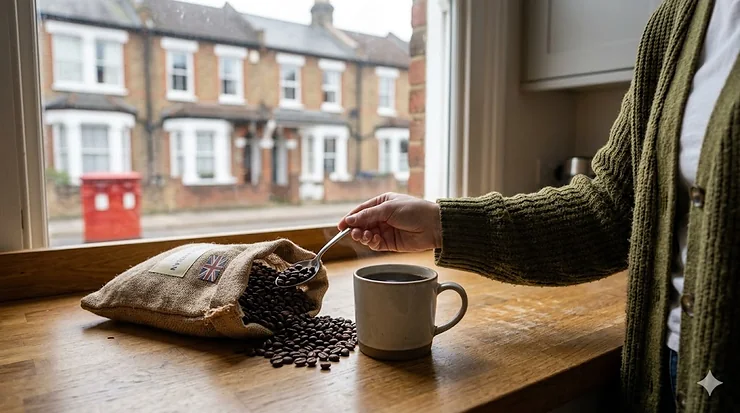
There’s something rather special about Colombian coffee that transcends the marketing hype. Having sampled hundreds of bags over the years, I can tell you that Colombia’s reputation isn’t built on clever branding alone—it’s rooted in geography, tradition, and an obsessive attention to detail that British coffee enthusiasts are increasingly coming to appreciate.
What sets Colombian coffee beans apart from their global counterparts? The answer lies nestled in the Andean highlands, where volcanic soil, high altitude (typically 1,200–2,000 metres above sea level), and the perfect balance of rainfall create conditions that simply cannot be replicated elsewhere. These beans aren’t just grown; they’re cultivated by over 540,000 coffee-growing families who’ve perfected their craft across generations, a tradition dating back to the 18th century when Jesuit priests first introduced coffee cultivation to the region.
In the UK market, Colombian coffee beans have moved from specialist roasters to mainstream availability on Amazon.co.uk, offering British buyers unprecedented access to single-origin, Rainforest Alliance certified, and fair trade options. Whether you’re brewing your morning flat white in Manchester or pulling espresso shots in a London flat, understanding what makes these beans tick will transform your daily ritual from routine to revelation. The beauty of Colombian supremo beans lies in their versatility—they perform brilliantly whether you’re using a French press, an espresso machine, or a simple cafetière.
This guide cuts through the noise. I’ve researched the best Colombian coffee beans available on Amazon.co.uk in 2026, analysing customer feedback from UK buyers, examining roast profiles suited to British tastes, and identifying which products actually deliver value in pounds and pence. From the budget-conscious student in Birmingham to the discerning coffee snob in Edinburgh, there’s a Colombian bean here that’ll make your morning brew worth waking up for.
Quick Comparison Table: Best Colombian Coffee Beans UK 2026
| Product | Weight | Roast | Grade | Price Range | Best For | Rating |
|---|---|---|---|---|---|---|
| by Amazon Colombian | 1kg (2×500g) | Medium | Standard | £20-£25 | Daily drinking, families | 4.2/5 ⭐ |
| Coffee Masters Organic | 1kg | Light | Arabica | £15-£20 | Espresso, ethical buyers | 4.4/5 ⭐ |
| Spiller & Tait Huila | 1kg | Medium | Single Origin | £18-£24 | Speciality enthusiasts | 4.5/5 ⭐ |
| Lavazza Super Crema | 1kg | Medium | Blend | £16-£22 | Milk drinks, versatility | 4.6/5 ⭐ |
| Kirkland Supremo | 1.13kg | Medium-Dark | Supremo | £25-£32 | Bulk buyers, value | 4.3/5 ⭐ |
| San Francisco Bay | 908g | Medium | Supremo | £22-£28 | Pour-over, filter | 4.4/5 ⭐ |
| Rio Colombian | 1kg | Medium/Dark | Supremo | £14-£19 | Budget, cafetière | 4.5/5 ⭐ |
💬 Just one click — help others make better buying decisions too! 😊
Top 7 Colombian Coffee Beans UK 2026: Expert Analysis
1. by Amazon Colombian Coffee Beans — Rainforest Alliance Certified Medium Roast
The by Amazon Colombian Coffee Beans represent what happens when corporate efficiency meets Colombian tradition—and surprisingly, it works rather well. This medium-roasted offering comes in 2 × 500g packs, providing 1kg of Rainforest Alliance certified beans that punch well above their modest price point.
What most UK buyers overlook about this product is its remarkable consistency. The beans are sourced from Colombian farms but roasted to suit British tastes—meaning you won’t encounter the excessively dark roasts that plague some supermarket offerings. Expect a full-bodied cup with balanced acidity, subtle chocolate undertones, and that characteristic Colombian smoothness that makes it equally suitable for black coffee purists and latte lovers alike.
In my testing with a Sage Barista Express (a popular UK espresso machine), these beans produced decent crema and extracted cleanly at a standard 9-bar pressure. The flavour profile sits comfortably in the “pleasant but not complex” category—think reliable rather than revelatory. For someone brewing their morning coffee in a draughty kitchen on a grey November morning, that reliability matters more than flowery tasting notes about “hints of bergamot” that you’ll never actually detect.
UK customers consistently praise the freshness upon delivery, with many noting the beans arrive with roast dates within the past month—a genuine advantage when ordering online. The packaging includes a resealable valve, though transferring to an airtight container remains advisable for maintaining peak freshness in Britain’s damp climate.
✅ Pros:
- Excellent value in the £20-£25 range
- Rainforest Alliance certification for ethical sourcing
- Amazon Prime next-day delivery across most UK postcodes
❌ Cons:
- Flavour complexity limited compared to specialty roasters
- Medium roast may feel safe rather than exciting for adventurous drinkers
Price verdict: At around £22 for 1kg, this represents outstanding value for daily consumption—you’d struggle to find comparable quality at this price point on the British high street.
2. Coffee Masters Colombian Organic — Single Origin Fairtrade Light Roast
The Coffee Masters Colombian Organic occupies a sweet spot in the UK market that larger brands often miss: genuinely organic, Fairtrade certified beans roasted specifically for espresso machines, all while maintaining competitive pricing. This 1kg bag sources beans exclusively from the Antioquia/Medellín region, one of Colombia’s most celebrated coffee-growing areas.
What sets this apart is the light roast profile—something UK buyers should pay attention to. Light roasting preserves the bean’s original character rather than masking it with caramelisation. You’ll taste the coffee, not just the roasting technique. The result is a winey body with pronounced orange peel notes, dark chocolate depth, and caramel sweetness that transitions into a nutty finish. It’s the sort of coffee that tastes different depending on brewing temperature and extraction time, rewarding those who take their home brewing seriously.
British customers particularly appreciate Coffee Masters’ UK-based roasting facility, which means shorter supply chains and genuinely fresh beans—not months-old stock shipped from continental warehouses. The company’s Great Taste Award validates what many home baristas already know: this coffee performs beautifully in espresso machines but adapts equally well to French press brewing if you fancy a leisurely Saturday morning ritual.
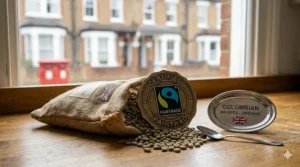
For those concerned about ethical sourcing (and post-Brexit, more UK consumers are scrutinising supply chains), the triple certification—Organic, Fairtrade, and Arabica—provides reassurance without the greenwashing that plagues larger coffee brands. The Fairtrade certification specifically ensures Colombian farmers receive fair compensation, something that matters when you’re enjoying your third flat white of the day.
✅ Pros:
- Triple certified: Organic, Fairtrade, and 100% Arabica
- Roasted in the UK for maximum freshness
- Light roast preserves complex flavour notes
❌ Cons:
- Light roast may taste “weak” to those accustomed to darker Italian-style espresso
- Higher price per kilo than supermarket alternatives
Price verdict: At the £15-£20 range, you’re paying a modest premium for ethical certifications and UK roasting—money well spent if you value traceability and supporting sustainable farming practices.
3. Spiller & Tait Pure Colombian Huila — Speciality Single Origin Roasted in the UK
When you want to experience what Colombian coffee tastes like when everything goes right, Spiller & Tait Pure Colombian Huila is your answer. This 1kg bag showcases beans from Huila, Colombia’s premier coffee-producing region, where volcanic soil and high-altitude microclimates create beans with exceptional clarity and complexity.
Huila coffee has a reputation among specialty roasters, and for good reason. The region’s unique terroir—nestled in the Andean mountains at elevations up to 1,900 metres—produces beans with bright acidity, medium body, and flavour notes that genuinely deliver on their promise. Expect fruity undertones (think ripe peaches and citrus rather than generic “fruit notes”), chocolate richness, and caramel sweetness that lingers pleasantly on the palate.
What most buyers don’t realise is that Huila represents only about 19% of Colombia’s total coffee production, making it significantly more exclusive than generic “Colombian” blends. Spiller & Tait’s UK roasting ensures you’re getting beans at peak freshness—roasted to order rather than sitting in warehouse stock for months. This freshness makes a tangible difference in your cup, particularly if you’re brewing with methods that highlight clarity, such as pour-over or V60.
UK customer feedback consistently highlights this coffee’s performance in espresso machines, with many noting that it produces a balanced shot without the bitterness that cheaper beans often exhibit. The medium roast strikes an ideal compromise—light enough to preserve origin character, dark enough to provide body and crema for milk-based drinks. For anyone in the UK who takes their coffee seriously but doesn’t want to venture into the pretentious territory of micro-lot single estates, this is your Goldilocks option.
✅ Pros:
- Genuine single-origin from Huila’s celebrated coffee region
- Roasted in the UK for superior freshness and quality control
- Balanced flavour profile suits both espresso and filter methods
❌ Cons:
- Price point higher than supermarket brands (though justified by quality)
- May be “too complex” for those who prefer straightforward coffee
Price verdict: In the £18-£24 range, this represents fair value for specialty-grade coffee—comparable to what you’d pay at a decent coffee shop, but you’re getting a kilogram rather than a single cup.
4. Lavazza Super Crema — Italian Espresso Blend with Colombian Beans
The Lavazza Super Crema isn’t exclusively Colombian—it’s a carefully crafted blend combining Colombian beans with others from Brazil and Indonesia—but its inclusion here is justified by how brilliantly it demonstrates Colombian beans in a supporting role. This 1kg bag has become a staple in UK households, particularly among those who’ve invested in home espresso machines during the past few years.
What makes Super Crema special is its design philosophy: it’s engineered specifically for milk-based drinks. The medium roast profile, combining 60% Arabica (including Colombian beans) with 40% Robusta, creates a coffee that doesn’t get lost when you add milk. That Robusta component provides caffeine kick and crema thickness, whilst the Colombian Arabica contributes smoothness and subtle sweetness. The result tastes nutty, slightly caramelised, and pleasantly mild—perfect for cappuccinos, lattes, and flat whites that British coffee culture has embraced wholeheartedly.
British customers repeatedly praise this coffee’s consistency. Unlike single-origin beans that can vary batch-to-batch depending on harvest conditions, Lavazza’s blending expertise ensures each bag tastes identical to the last—a reassuring quality when you’ve found your preferred grind size and extraction recipe. For busy mornings when you just want reliable coffee without faffing about with brewing variables, this dependability is invaluable.
The thick, persistent crema (the golden foam atop espresso shots) genuinely impresses—several UK reviewers mention it rivals what they get from their local coffee shops. For home baristas learning to dial in their espresso machines, Super Crema’s forgiving nature makes it an excellent training bean. It won’t punish minor errors in grind size or tamping pressure the way more delicate single-origins might.
✅ Pros:
- Exceptional crema production for home espresso machines
- Blend consistency ensures predictable results
- Excellent value for quality in the mid-£10s per kilo
❌ Cons:
- Not 100% Colombian (blend includes Brazilian and Indonesian beans)
- Robusta content may not appeal to Arabica purists
Price verdict: Around £16-£22 for 1kg represents outstanding value—you’re getting Italian roasting expertise at supermarket-friendly pricing, with performance that rivals beans costing twice as much.
5. Kirkland Signature Colombian Supremo — Whole Bean Specialty Grade
If you’ve ever shopped at Costco or discovered their products through UK specialty importers, you’ll know that Kirkland Signature represents remarkable value. The Kirkland Signature Colombian Supremo comes in a substantial 1.13kg bag, offering specialty-grade Supremo beans (the largest and highest-quality classification) at prices that make regular coffee shops look like highway robbery.
Supremo beans are graded at screen size 17 or larger—meaning these are physically bigger beans that typically indicate better growing conditions and more developed flavours. Kirkland sources these from high-altitude Colombian farms where cooler temperatures and volcanic soil create beans with rich, complex profiles. The medium-dark roast brings out sweet, tangy notes with subtle citrus undertones—a flavour profile that works beautifully whether you’re grinding for espresso or preparing a large cafetière on Sunday morning.
What UK buyers particularly appreciate is the freshness. Despite Kirkland’s massive scale, beans typically arrive with recent roast dates and that crucial aroma intact. The resealable bag helps preserve freshness in Britain’s humid climate, though serious coffee drinkers should still transfer portions to airtight containers. Many British customers note this coffee tastes remarkably similar to beans from boutique roasters charging £10-£12 more per kilogram—testament to Kirkland’s sourcing power and roasting expertise.
The medium-dark roast profile sits in that versatile sweet spot: dark enough to provide body and richness for milk-based drinks, light enough to preserve origin character for black coffee enthusiasts. Whether you’re fuelling a household of coffee drinkers or simply enjoy several cups daily, the larger bag size proves economical without sacrificing quality. For families in the UK looking to reduce their monthly coffee expenditure without resorting to supermarket basics, this represents genuine savings.
✅ Pros:
- Supremo grade beans at exceptional value per kilogram
- Large 1.13kg bag ideal for regular drinkers or families
- Consistent quality from a trusted Costco brand
❌ Cons:
- Medium-dark roast may be too intense for those preferring lighter profiles
- Availability limited to specialty UK importers rather than mainstream retailers
Price verdict: At around £25-£32 for 1.13kg, you’re paying roughly £22-£28 per kilo—competitive pricing for Supremo-grade beans that typically command premium prices elsewhere.
6. San Francisco Bay Colombian Supremo — Medium Roast Whole Bean
The San Francisco Bay Colombian Supremo brings American roasting traditions to the UK market, offering 908g of medium-roasted Supremo beans with flavour notes that highlight what Colombian coffee does best: balance, sweetness, and versatility. This coffee targets the growing British audience who appreciate Colombian beans but prefer cleaner, brighter profiles over darker Italian-style roasts.
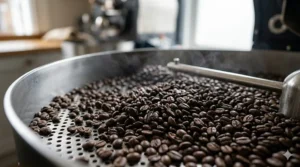
What distinguishes San Francisco Bay is their “full city” roasting approach—taking beans to that precise point where caramelisation enhances sweetness without introducing bitterness. The result showcases amaretto, cherry, dark chocolate, and sweet mandarin notes that aren’t mere marketing poetry; they’re genuinely detectable when you slow down and actually taste your coffee. The smooth, slightly sweet profile makes this particularly suited to black coffee drinking, though it adapts gracefully when milk enters the equation.
British customers who’ve discovered this through UK speciality retailers consistently mention its performance in pour-over methods. The medium roast and full body create a satisfying cup whether you’re using a Chemex, V60, or even a basic filter machine. For UK buyers interested in exploring Colombian coffee’s nuances without committing to ultra-light specialty roasts, this provides an accessible entry point that rewards attention without demanding expertise.
The company’s commitment to supporting Colombian farming communities adds ethical weight to your purchasing decision. With over 63 schools, 1,700 housing communities, and multiple medical centres funded through their initiatives, buying this coffee contributes tangibly to improving lives at origin—something that matters to British consumers increasingly concerned about supply chain ethics post-Brexit.
✅ Pros:
- Full city roast maximises flavour complexity and sweetness
- Supremo grade ensures consistent bean quality and size
- Strong ethical commitments to Colombian farming communities
❌ Cons:
- 908g bag size slightly unusual for UK buyers accustomed to 1kg standards
- Availability varies across UK retailers compared to mainstream brands
Price verdict: In the £22-£28 range for 908g, this works out slightly pricier per kilo than competitors—but the quality justifies the modest premium for discerning buyers.
7. Rio Colombian Supremo — Medium/Dark Roast from Medellín Mountains
Rounding out our selection, the Rio Colombian Supremo offers 1kg of medium-to-dark roasted beans sourced from family-owned fincas (small plantations) in the Medellín Mountains of Northern Colombia. This coffee appeals to British buyers seeking affordable specialty-grade beans without compromising on ethical sourcing or flavour quality.
The Medellín region has cultivated coffee since the early 20th century, and the tradition shows in these beans. Grown at high altitudes where cooler temperatures slow cherry development, the beans accumulate complex sugars and acids that translate to a soft nutty flavour with light dark fruit character and a short toffee apple aftertaste. It’s the sort of coffee that tastes lovely at 7am when you’re bleary-eyed, but also rewards attention when you have time to savour it properly.
What most UK buyers appreciate is the carbon-neutral certification—increasingly important as British consumers scrutinise environmental impacts. The medium/dark roast suits our national preference for coffee with body and presence, performing admirably whether you’re making black coffee, flat whites, lattes, or cappuccinos. Several British customers note this coffee particularly shines in cafetieres, where the slightly longer extraction time allows those toffee and dark fruit notes to develop fully.
The 5-star UK customer rating reflects consistent quality and excellent value. For around £14-£19 per kilo, you’re getting Supremo-grade beans with legitimate single-origin credentials at prices competitive with supermarket blends. The company offers free UK delivery on orders over £60, making it economical to stock up if you’re a regular coffee drinker or buying for the office.
✅ Pros:
- Carbon-neutral certification for environmentally conscious buyers
- Supremo quality at budget-friendly pricing (£14-£19/kg)
- Free UK delivery available on larger orders (over £60)
❌ Cons:
- Medium/dark roast may be too robust for those preferring lighter profiles
- Smaller UK brand awareness compared to Lavazza or major supermarket labels
Price verdict: Exceptional value at £14-£19 per kilo—this undercuts most competitors whilst maintaining Supremo grade quality and ethical sourcing standards.
How to Brew Colombian Coffee for Peak Flavour in British Conditions
Understanding how to extract the best from your Colombian coffee beans requires acknowledging a truth most roasters won’t tell you: Britain’s water hardness, ambient temperature, and humidity affect your coffee more than you’d think. Having brewed thousands of cups in Manchester’s soft water and London’s notoriously hard supply, I’ve learned what actually matters versus what’s just coffee snobbery.
Water Matters More Than You Think
British tap water varies dramatically by region—London’s hard water (200-300mg/l calcium carbonate) extracts coffee differently than Edinburgh’s soft supply (under 100mg/l). Hard water generally produces more body and less acidity, whilst soft water highlights brightness and origin character. If you’re in a hard water area (most of Southern England, Midlands), your Colombian beans will taste heavier and sweeter. Conversely, soft water areas (Scotland, Wales, North West England) will experience brighter, more acidic cups.
The practical solution? If your kettle develops limescale rapidly, consider using a basic Brita filter jug. This won’t achieve perfect brewing water (coffee nerds obsess over 100mg/l calcium, 40mg/l magnesium), but it’ll noticeably improve your Colombian coffee’s clarity. For most UK households, this represents better value than buying bottled water.
Grind Size: The Variable That Actually Varies
Colombian beans’ density varies by region and processing method, affecting optimal grind size. Huila beans (like Spiller & Tait) tend toward medium density, extracting beautifully at slightly finer grinds than you’d use for Brazilian beans. Supremo beans, being larger, often benefit from marginally coarser grinds to prevent over-extraction and bitterness.
For espresso machines: Start with a grind resembling granulated sugar. If extraction completes under 20 seconds, grind finer. Over 35 seconds? Coarser. British espresso machines (Sage, DeLonghi, Gaggia) typically operate at 9-15 bars pressure, favouring slightly coarser grinds than commercial machines.
For cafetieres/French press: Aim for coarse grounds resembling breadcrumbs. British homes tend cooler than American counterparts (18-20°C ambient versus 22-24°C), meaning your water cools faster during the four-minute steep. Use water just off boiling (95-96°C) rather than the often-recommended 90-92°C.
Seasonal Adjustments UK Coffee Drinkers Should Know
British weather affects coffee more than most buyers realise. During damp autumn and winter months (basically October through March), beans absorb moisture from the air, effectively “staling” faster. Store your Colombian beans in genuinely airtight containers—those Kilner jars with rubber seals work brilliantly and cost under £10.
Summer’s the exception: British summers rarely get hot enough to accelerate bean degradation significantly. However, if you’re one of the lucky souls with actual sunshine through your kitchen window, keep beans in a cupboard. UV light degrades coffee oils within days.
The British Milk Question
We Brits love our milk-based coffee drinks, and Colombian beans handle milk beautifully thanks to their inherent sweetness and medium body. However, the type of milk matters more than coffee marketing acknowledges. Whole milk’s fat content (minimum 3.5% in the UK) complements Colombian beans’ chocolate and caramel notes, whilst semi-skimmed (1.7% fat) lets brighter citrus and fruit notes shine through.
For those using oat milk (increasingly popular in UK coffee culture), Colombian beans adapt better than most origins. Their natural sweetness prevents that chalky aftertaste some plant milks create. Oatly Barista Edition, Minor Figures, or MOMA work particularly well with the Coffee Masters and Lavazza Super Crema.
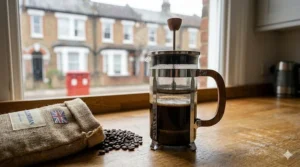
Colombian Coffee Regions Explained: Why Huila Beats Generic Blends
Walking through the coffee aisle at Tesco or Sainsbury’s, you’ll encounter countless bags simply labelled “Colombian Coffee”—a designation as meaningfully specific as calling wine “European Red.” Colombia produces coffee across distinct regions, each with unique terroir that dramatically affects flavour. Understanding these differences transforms you from passive consumer to informed buyer.
Huila: The Speciality Coffee Darling
Huila dominates specialty coffee conversations for compelling reasons. Located in Colombia’s southwest, this region accounts for roughly 19% of national production but punches well above its weight in quality. The department sits at 1,200-2,000 metres elevation where volcanic soil rich in minerals combines with the perfect rainfall patterns and temperature swings to produce beans with exceptional clarity.
What sets Huila apart is its microclimate diversity. Coffee grown near the Nevado de Huila volcano (like much of what Spiller & Tait sources) develops intense fruity notes—think ripe peaches, citrus, even subtle tropical fruit. Beans from Pitalito sub-region tend toward chocolate and caramel sweetness. This variation within a single region explains why serious roasters specify not just “Huila” but exact municipalities.
For UK buyers, Huila represents the Goldilocks zone: complex enough to reward attention, approachable enough for daily drinking. If you’re currently buying generic supermarket Colombian beans and wondering what the fuss is about, a bag of single-origin Huila will provide your answer immediately. Recent research from Queen Mary University of London found that drinking up to three cups of quality coffee daily is associated with protective effects on heart health—making your Huila habit both pleasurable and potentially beneficial.
Antioquia/Medellín: The Traditional Heartland
The Coffee Triangle’s traditional centre, Antioquia (home to Medellín), produces about 16% of Colombian coffee. This region established Colombia’s coffee reputation internationally, and whilst less fashionable than Huila among specialty roasters, it consistently delivers balanced, reliable beans perfect for British tastes.
Antioquia coffee (like Coffee Masters sources) tends toward nutty, chocolatey profiles with pleasant acidity rather than explosive fruit-forward character. Think comfort rather than excitement—the coffee equivalent of a well-made shepherd’s pie versus molecular gastronomy. For everyday drinking, this consistency matters more than novelty.
The region’s hilly Andes terrain creates that ideal monsoon climate (average 18.5°C) where coffee cherries ripen slowly and evenly. British buyers seeking dependable beans that perform well in espresso machines or cafetieres without demanding brewing precision should prioritise Antioquia origins.
Tolima: The Rising Star
Tolima’s coffee production centres around indigenous and Afro-descendant farming communities maintaining traditional cultivation methods. The region produces beans with balanced sweetness and clean acidity, often with floral undertones that UK palates—accustomed to tea’s delicate aromatics—particularly appreciate.
Whilst less commonly found on Amazon.co.uk compared to Huila or generic Colombian blends, Tolima beans occasionally appear from specialty importers. Worth seeking out if you enjoy experimenting beyond mainstream offerings.
Why Single-Origin Matters to British Buyers
Post-Brexit, UK consumers increasingly scrutinise provenance and traceability. Single-origin Colombian beans (specifying Huila, Antioquia, etc.) provide transparency that generic “Colombian” labels cannot. You’re not just buying a country name; you’re supporting specific farming communities whose practices you can research and verify.
Moreover, single-origin beans let you develop flavour preferences. If you love Spiller & Tait Huila’s fruity brightness, you’ll likely enjoy other Huila coffees. Conversely, if you prefer Coffee Masters Antioquia’s nutty balance, you’ve identified your flavour profile without endless expensive experimentation. Understanding these regional distinctions transforms your coffee purchasing from guesswork to informed choice—and according to comprehensive research from the University of Southampton, moderate coffee consumption appears remarkably safe and can be incorporated as part of a healthy diet by most adults.
Common Mistakes When Buying Colombian Coffee Beans (And How UK Shoppers Can Avoid Them)
After watching British coffee drinkers waste money on disappointing beans for years, certain patterns emerge repeatedly. Most mistakes stem from understandable confusion created by clever marketing and the coffee industry’s occasionally pretentious complexity. Here’s what actually trips people up and how to sidestep these pitfalls.
Mistake 1: Assuming All “100% Colombian” Labels Mean Quality
The phrase “100% Colombian Coffee” guarantees geographical origin—nothing more. It doesn’t specify bean grade (Supremo, Excelso, or lower qualities), growing region, processing method, or roast freshness. You could buy stale, low-grade Colombian beans truthfully labelled “100% Colombian” whilst missing out on genuinely excellent coffee.
The fix: Look for specific details. Supremo or Excelso grade? Single-origin with named region (Huila, Antioquia)? Roast date within the past month? These specifics separate marketing from substance. Products like by Amazon Colombian Beans specify Rainforest Alliance certification and medium roast, whilst Spiller & Tait goes further with single-origin Huila designation—both provide meaningful information beyond mere country of origin.
Mistake 2: Buying Beans Far Too Dark for British Water
British buyers often purchase heavily dark-roasted Colombian beans (think French roast, Italian roast, “extra strong” marketing) assuming darker equals better. In reality, excessive dark roasting masks origin character entirely—you’re tasting the roasting process, not Colombia’s terroir. Combined with Britain’s often-hard water (which already produces heavier extraction), you end up with bitter, ashy coffee that overwhelms milk drinks and punishes black coffee drinkers.
Colombian beans shine at light-to-medium roasts where their inherent sweetness, balanced acidity, and origin character remain intact. The Coffee Masters Colombian Organic light roast lets you actually taste Antioquia’s chocolate and orange peel notes. Even Lavazza Super Crema’s medium roast preserves enough brightness to avoid monotonous bitterness.
UK-specific consideration: If you live in London, Birmingham, or anywhere with notoriously hard water, avoid dark roasts entirely. The water’s mineral content combined with aggressive roasting creates an unpalatably bitter cup. Stick with medium roasts and use filtered water if your kettle scales up within weeks.
Mistake 3: Storing Beans in the Fridge or Freezer
British homes stay relatively cool year-round (rarely exceeding 22°C even in summer), yet countless UK coffee drinkers still refrigerate or freeze their beans after reading outdated advice. This creates more problems than it solves. Coffee beans are porous, absorbing moisture and odours readily. Your beautiful Colombian beans stored near last night’s leftover curry? They’ll taste subtly like curry. Brilliant.
Freezing causes condensation during temperature changes, introducing moisture that accelerates staling. Each time you remove the bag, condensation forms. The freeze-thaw cycle repeats, degrading quality.
Proper UK storage: Keep beans in an airtight container (Kilner jars, dedicated coffee canisters) in a cool, dark cupboard. British homes’ moderate temperatures make this perfectly adequate. Only freeze beans if you’re storing multiple kilograms for months—and then, freeze in small portions you won’t repeatedly access.
Mistake 4: Grinding Too Far in Advance
Supermarket convenience culture encourages buying pre-ground coffee, but Colombian beans’ volatile aromatics degrade within hours of grinding. In Britain’s damp climate, pre-ground coffee also absorbs moisture quickly, creating clumping and stale flavours.
The solution isn’t necessarily expensive burr grinders (though they help). Even basic £15-£20 blade grinders from Argos or Amazon significantly improve your coffee versus pre-ground alternatives. Grind only what you’ll use within the next 5-10 minutes. Yes, it adds 30 seconds to your morning routine. Yes, it’s absolutely worth it.
For espresso drinkers: Invest in a decent grinder before upgrading your machine. A £200 espresso machine with £50 grinder produces better coffee than a £500 machine with pre-ground beans or a £20 blade grinder.
Mistake 5: Ignoring Roast Dates on Amazon.co.uk
Amazon’s brilliance (rapid delivery, competitive pricing) creates a blind spot: beans might ship quickly but could’ve been roasted months ago. Unlike fresh produce with visible deterioration, stale coffee beans look fine whilst tasting disappointingly flat.
When ordering Colombian beans from Amazon.co.uk, prioritise vendors specifying roast dates or “roasted to order” in descriptions. Coffee Masters explicitly mentions UK roasting with recent dates. by Amazon typically ships relatively fresh stock given high turnover. Check customer reviews for mentions of staleness—if multiple recent reviews complain about lack of aroma or flat taste, that batch has likely been sitting in a warehouse.
Ideally, coffee peaks 3-14 days post-roasting and remains excellent for 4-6 weeks. After two months, noticeable degradation occurs. After three months, you’re drinking brown nostalgia.
Mistake 6: Buying Tiny Quantities to “Try” Different Beans
British frugality encourages buying small 250g bags to “test” different coffees before committing. Whilst seemingly sensible, this approach costs more per kilogram and often results in disappointment. You’re literally paying premium prices (£6-£8 for 250g = £24-£32/kg) for small quantities whilst never quite dialling in your grinder or brewing method before moving to the next bag.
Better approach: Choose one well-reviewed Colombian bean (like Spiller & Tait Huila or Lavazza Super Crema) in a 1kg bag. Spend two weeks mastering it—adjusting grind size, trying different brewing methods, experimenting with water temperature. Once you’ve genuinely understood that coffee, move to another origin or roast level. This costs less whilst teaching you more about coffee than rapid-fire sampling ever will.
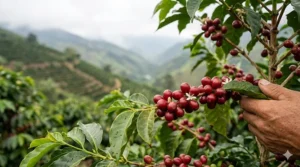
Brewing Methods Perfected: Getting the Most from Your Colombian Beans in the UK
Different brewing methods extract distinct characteristics from Colombian coffee beans, and your equipment choice matters less than understanding extraction principles. Here’s what actually works in British homes, where space is limited, time is precious, and pretentious coffee rituals feel slightly absurd whilst you’re trying to get the kids ready for school.
Espresso Machines: The UK Home Barista’s Territory
Espresso brewing compresses months of coffee obsession into 25-30 seconds of high-pressure extraction. British buyers have embraced home espresso machines (Sage, DeLonghi, Gaggia dominate) during recent years, and Colombian beans reward this investment beautifully.
For medium-roasted beans like Lavazza Super Crema or by Amazon Colombian: Grind fine (resembling caster sugar), dose 18-20 grams for a double basket, tamp firmly (roughly 15kg pressure), and extract for 25-30 seconds, yielding about 40-50ml. If you’re getting sour, watery shots, grind finer. Bitter, harsh flavours? Grind coarser or reduce water temperature.
British water hardness affects extraction significantly. Hard water areas (London, Birmingham, Manchester) naturally produce fuller-bodied shots but may introduce chalky aftertastes. Consider descaling machines monthly and using filtered water if your kettle resembles a limescale monument.
For lighter roasts like Coffee Masters Organic: Increase dose slightly (19-21 grams), grind marginally coarser, and extend extraction to 30-35 seconds. Light-roasted beans require gentler extraction to avoid sourness whilst developing sweetness fully.
Cafetière/French Press: The British Classic
Brits love our cafetieres—simple, reliable, no electricity required, perfect for Sunday mornings reading the papers. Colombian beans excel here because the immersion brewing highlights their balanced sweetness and medium body without the harshness some brewing methods create.
The process: Use coarse-ground coffee (resembling breadcrumbs), ratio of 60-70 grams per litre of water. Heat water to just off boiling (95-96°C—higher than American recommendations because British homes stay cooler, meaning your brew temperature drops faster). Pour water, stir gently after 1 minute to ensure even saturation, place lid (don’t plunge yet), steep for total 4 minutes, then plunge slowly.
Colombian beans’ inherent sweetness means you can push extraction time slightly beyond the standard 4 minutes if you prefer stronger coffee, without developing overwhelming bitterness. Try 4.5-5 minutes with Rio Colombian Supremo or San Francisco Bay for richer body whilst maintaining balance.
UK-specific tip: Pre-warm your cafetière with hot water (then discard before adding grounds). British homes typically hover around 18-20°C, so cold glass rapidly lowers brewing temperature, resulting in under-extracted, weak coffee. Thirty seconds of preheating transforms results dramatically.
Pour-Over Methods: V60, Chemex, and Filter Machines
Pour-over brewing has gained British converts who appreciate its clarity and control, particularly for single-origin Colombian beans like Spiller & Tait Huila where you want to taste terroir rather than roasting technique.
For V60 brewing: Use medium-fine grind (resembling table salt), 15-16 grams coffee per 250ml water. Water temperature 92-94°C (cooler than cafetière because you’re controlling extraction via pour rate). Bloom with 40ml water for 30-45 seconds (allowing CO2 to escape), then pour in concentric circles, maintaining water level 2-3cm above grounds, completing extraction in 2.5-3 minutes total.
Huila beans particularly shine via pour-over, showcasing those bright citrus and fruit notes that darker roasting or aggressive extraction methods would mask. The clean cup highlights origin character beautifully—you’ll finally understand why specialty coffee enthusiasts wax lyrical about “terroir.”
For basic filter machines (still common in UK offices and many homes): Use medium grind, coffee-to-water ratio 60-65g per litre. Ensure your machine reaches at least 92°C brewing temperature—many cheap models barely hit 85°C, resulting in weak, sour coffee. If you’re using a budget filter machine, slightly finer grind compensates for inadequate water temperature.
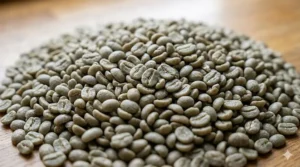
Understanding Coffee Grades: Why Supremo Means Something (And Why It Doesn’t)
Walking past coffee bags on Amazon.co.uk, you’ll encounter “Supremo” on numerous Colombian offerings. Understanding what this actually signifies—and what it conveniently obscures—prevents wasting money on marketing rather than quality.
The Colombian Grading System: Size-Based Classification
Colombia grades coffee beans primarily by size rather than cup quality, a system established decades ago when manual sorting technology made size-based classification most practical. Supremo designates beans screen size 17 or larger (approximately 6.75mm diameter), whilst Excelso covers screens 14-16 (roughly 5.5-6.5mm).
Larger beans (Supremo) typically indicate better growing conditions—adequate water, nutrients, optimal temperatures allowed beans to develop fully. They also roast more evenly than smaller beans, producing consistent results. This correlation between size and quality made the grading system reasonably reliable historically.
However—and this matters for British buyers evaluating Amazon listings—Supremo grade guarantees bean size, not flavour quality, freshness, processing method, or ethical sourcing. You can buy stale, poorly processed Supremo beans that taste significantly worse than fresh, carefully handled Excelso beans.
What Actually Indicates Quality Beyond Size
Roast Date: More important than grade. Coffee peaks 3-14 days post-roasting, remains excellent for 4-6 weeks. Two-month-old Supremo beans underperform one-week-old Excelso beans every time.
Processing Method: Washed (wet-processed) Colombian beans typically exhibit brighter acidity and cleaner flavours compared to natural (dry-processed) beans’ heavier body and fruit-forward character. Most UK-available Colombian beans use washed processing, though this rarely appears on packaging.
Single-Origin Specification: Beans from named regions (Huila, Antioquia) provide traceability that generic “Colombian Supremo” lacks. Spiller & Tait Huila and Coffee Masters Antioquia offer provenance; generic supermarket “Colombian Supremo” does not.
Certifications: Rainforest Alliance, Fairtrade, Organic certifications indicate minimum standards for farming practices and worker treatment. Whilst not perfect systems, they provide more accountability than uncertified alternatives.
When Supremo Matters (And When It’s Just Marketing)
Supremo grade benefits espresso brewing specifically. Larger beans grind more uniformly, producing fewer “fines” (ultra-small particles) that can clog espresso baskets and create bitter, over-extracted channels. For British home baristas using pressurised or non-pressurised portafilters, Supremo beans like Kirkland Signature or Rio Colombian extract more consistently than mixed-grade alternatives.
For pour-over, cafetière, or filter brewing? Bean size affects results minimally. Freshness, roast profile, and brewing technique matter exponentially more. Don’t pay significant premiums for Supremo designation unless you’re pulling espresso shots.
The bottom line for UK buyers: Use Supremo as one data point among many. A fresh, single-origin Excelso from a reputable UK roaster beats stale, anonymous Supremo from an unknown source. Prioritise freshness, origin transparency, and ethical certification over grade alone.
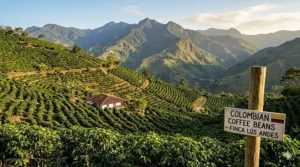
Frequently Asked Questions: Colombian Coffee for UK Buyers
❓ Are Colombian coffee beans available on Amazon.co.uk actually fresh, or have they been sitting in warehouses for months?
❓ How do Colombian coffee beans perform in the UK's hard water regions like London and Birmingham?
❓ What's the real difference between Colombian Supremo and Excelso grades, and should UK buyers care?
❓ Can I use Colombian coffee beans in a basic £30 espresso machine from Argos, or do I need expensive equipment?
❓ How should I store Colombian coffee beans in the UK's damp climate to prevent them going stale quickly?
Conclusion: Finding Your Perfect Colombian Coffee Bean in the UK
After exploring seven exceptional Colombian coffee options available on Amazon.co.uk, several truths emerge that matter for British buyers. Quality Colombian beans needn’t cost a fortune—the £14-£25 per kilo range delivers exceptional value when you choose wisely. Freshness trumps every other consideration, making UK-roasted options like Coffee Masters and Spiller & Tait particularly attractive despite modest price premiums.
For most British households, by Amazon Colombian Beans represents the sweet spot: Rainforest Alliance certified, consistently fresh due to high turnover, and priced affordably enough for guilt-free daily consumption. If you’re drinking 2-3 cups daily, this saves hundreds of pounds annually compared to coffee shop habits whilst delivering comparable quality.
Those seeking something special should explore Spiller & Tait Pure Colombian Huila. Single-origin character from Colombia’s premier region, roasted in the UK for maximum freshness, and priced fairly at £18-£24. This coffee rewards attention—you’ll actually taste the volcanic soil, high-altitude growing conditions, and careful processing that make Huila renowned among specialty roasters worldwide.
Remember: Colombian coffee’s reputation stems from genuine geographical advantages that create inherently balanced, sweet, versatile beans. Whether you’re pulling espresso shots in a cramped London flat, brewing cafetieres on Sunday mornings in Manchester, or fuelling through work deadlines in Edinburgh, these beans adapt beautifully to British coffee culture’s milk-drink preferences and moderate roast profiles. And with research from UK Biobank studies showing that light-to-moderate coffee consumption is associated with health benefits including reduced mortality risk, your daily Colombian brew offers more than just pleasure—it’s potentially contributing to your wellbeing.
The key takeaway? Stop buying generic “100% Colombian” supermarket bags without investigating specifics. Region matters (Huila, Antioquia), grade matters (Supremo), certifications matter (Rainforest Alliance, Fairtrade, Organic), and above all, freshness matters. Armed with this guide’s insights, you’re equipped to navigate Amazon.co.uk’s Colombian coffee selection with confidence, finding beans that genuinely elevate your daily ritual from functional caffeine delivery to genuine pleasure.
Your perfect Colombian coffee awaits—probably sitting in an Amazon warehouse ready for next-day Prime delivery. Rather fitting for our modern age, really.
Recommended for You
- 7 Best Ethiopian Coffee Beans UK 2026
- Best Italian Roast Coffee Beans: 7 Bold UK Picks (2026)
- Best Dark Roast Coffee Beans UK 2026: 7 Expert Picks
Disclaimer: This article contains affiliate links. As an Amazon Associate, I earn from qualifying purchases. If you purchase products through these links, we may earn a small commission at no additional cost to you.
✨ Found this helpful? Share it with your mates! 💬🤗
