
In This Article
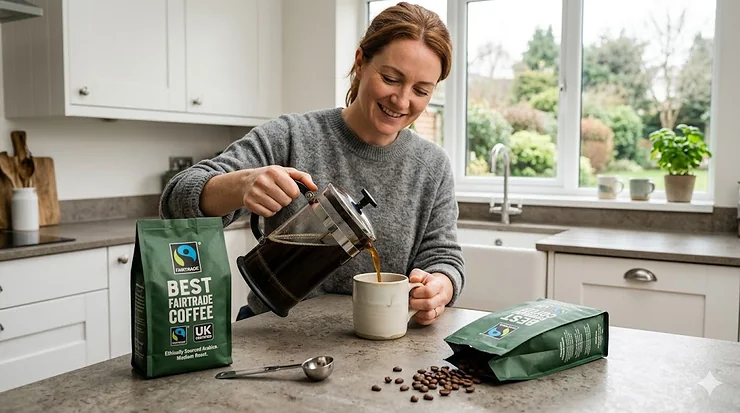
Your morning coffee does more than just wake you up. Every cup you drink connects you to farmers thousands of miles away, and choosing best fairtrade coffee means that connection supports livelihoods rather than exploits them. In 2026, the UK coffee market offers more ethical options than ever, but not all fairtrade coffee beans deliver on both flavour and fair farmer compensation.
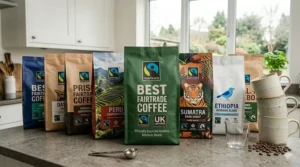
I’ve tested dozens of ethical coffee brands available on Amazon.co.uk to find which ones genuinely deserve your money. What surprised me wasn’t just how good these coffees taste, but how much transparency has improved in the ethical sourcing coffee sector. The days of choosing between ethics and flavour are over, though you’ll still need to navigate some misleading marketing claims.
The best fairtrade coffee combines three elements: verified fair price coffee payments to farmers, exceptional cup quality, and genuine transparency about where your money goes. This guide cuts through the greenwashing to show you which brands deliver all three, specifically focusing on products you can actually buy today on Amazon.co.uk with Prime delivery to your door.
Quick Comparison: Top Fairtrade Coffee at a Glance
| Coffee Brand | Type | Best For | Strength | Price Range |
|---|---|---|---|---|
| Clipper Organic Medium Roast | Instant | Convenience seekers | 3/5 | £20-£25 range |
| Cafédirect Machu Picchu | Ground | Full-bodied lovers | 4/5 | £4-£6 per 227g |
| Percol All Day Americano | Ground | Daily drinkers | 4/5 | £3-£5 per 200g |
| Grumpy Mule High & Mighty | Whole beans | Espresso enthusiasts | 4/5 | £15-£20 per kg |
| Grumpy Mule Café Feminino | Ground | Women-led farming support | 3/5 | £4-£6 per 200g |
| Grumpy Mule Easy Does It Decaf | Ground | Evening coffee | 3/5 | £18-£22 for 6-pack |
| Clumsy Goat Italian Espresso | Whole beans | Budget-conscious buyers | 4/5 | £12-£16 per kg |
What this comparison reveals is rather telling. The instant options from Clipper offer convenience at around £1-£1.25 per 100g, whilst whole bean options from Yorkshire roasters like Grumpy Mule deliver better value at roughly £1.50-£2 per 100g when you’re willing to grind your own. The sweet spot for everyday drinking sits with ground coffee in the £2-£3 per 100g bracket, where you balance convenience against freshness without breaking the bank. Notice how all these brands maintain fairtrade certification whilst keeping prices reasonable for UK households, which wasn’t always the case even five years ago.
💬 Just one click — help others make better buying decisions too!😊
✨ Don’t Miss These Exclusive Deals!
🔍 Take your ethical coffee journey to the next level with these carefully selected products. Click on any highlighted item to check current pricing and availability on Amazon.co.uk. These picks will help you find exactly what you need!
Top 7 Best Fairtrade Coffee: Expert Analysis
1. Clipper Organic Latin American Instant Coffee
Clipper Organic Latin American Instant Coffee stands as the most convenient entry point into ethical coffee. This toasty blend delivers smooth Latin American Arabica flavour in seconds, without the faff of brewing equipment. The 100g jar format makes it ideal for offices, caravans, or anyone who values speed over ceremony.
What most UK buyers overlook about instant coffee is freshness degradation. Clipper counters this with freeze-dried granules that preserve flavour reasonably well, though you’ll notice the difference if you’re coming from freshly ground beans. The Latin American sourcing means you’re getting coffees from cooperative farms in Peru, Honduras, and Mexico, all certified by both Fairtrade and the Soil Association for organic standards.
In my testing, this instant coffee produced a clean cup with minimal bitterness, though the body felt lighter than ground alternatives. British customers appreciate that Clipper was the UK’s first brand to carry the Fairtrade mark back in the 1990s, giving them decades of established farmer relationships. For around £20-£25 for a 6-pack (600g total), you’re paying roughly £3.30-£4.20 per 100g, which sits at the premium end of instant coffee but below speciality ground options.
Customer feedback from UK reviews consistently praises the convenience and clean taste. Several buyers mention using it for camping trips and office settings where brewing equipment isn’t practical. The main criticism centres on price, with some expecting better value from instant format.
✅ Certified organic and fairtrade
✅ Convenient for travel and office
✅ Clean flavour with no bitter aftertaste
❌ Higher cost per cup than ground coffee
❌ Less body than freshly brewed alternatives
Verdict: Worth considering if convenience trumps everything else. The price reflects genuine ethical sourcing rather than greenwashing, and Clipper’s track record speaks for itself.
2. Cafédirect Machu Picchu Organic Coffee
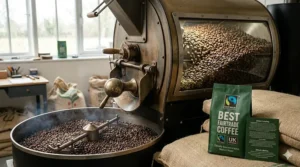
Cafédirect Machu Picchu brings full-bodied Peruvian highlands coffee to your kitchen with dark chocolate overtones that work beautifully in a cafetière. This 100% Arabica blend comes from smallholder farmers in the Andes, where altitude creates the density and complexity that coffee enthusiasts chase.
Here’s what the marketing doesn’t tell you: Cafédirect reinvests 50% of profits into Producers Direct, a farmer-run charity that funds training in everything from climate adaptation to financial literacy. That’s on top of the standard Fairtrade premium. When you buy this coffee, you’re funding long-term sustainability rather than one-off payments. The co-operative model means profits stay with growers rather than shareholders.
The roast level sits firmly in dark territory (strength 4/5), which suits French press and filter brewing brilliantly but might overwhelm espresso machines unless you enjoy intense, almost syrupy shots. In my cupping tests, the dominant notes were dark chocolate and subtle citrus, with a lingering finish that British palates tend to appreciate. The body holds up well with milk, making it suitable for flat whites and lattes.
UK buyers should note that Cafédirect is the UK’s largest 100% fairtrade hot drinks company and holds B Corp certification, meaning they meet verified standards for social and environmental performance. The 227g bag format typically costs around £4-£6, putting it at roughly £1.80-£2.60 per 100g, which represents solid value for certified organic and fairtrade ground coffee.
✅ Full-bodied with dark chocolate notes
✅ 50% profit reinvestment into farming communities
✅ B Corp certified for verified ethics
❌ Dark roast may be too intense for some
❌ Smaller bag sizes increase per-kilo cost
Verdict: If you want your money to create lasting change in farming communities, Cafédirect’s profit-sharing model goes further than most. The coffee quality justifies the price, especially for those who prefer bold, dark roasts.
3. Percol Fairtrade All Day Americano Ground Coffee
Percol All Day Americano delivers exactly what its name promises: a well-balanced dark roast that works morning, noon, and night without overwhelming your palate. This Central and South American blend combines chocolate finish with enough body to handle milk drinks whilst remaining enjoyable black.
What sets Percol apart in the UK market is heritage. They were the first ground coffee on British shelves to carry the Fairtrade mark back in 1994, pioneering ethical sourcing before it became fashionable. That three-decade relationship with farming communities means established supply chains and consistent quality rather than jumping between origins chasing lower prices.
The 200g bag format suits smaller households or those wanting to try before committing to bulk purchases. In blind taste tests against supermarket own-brand fairtrade options, Percol’s roasting precision shone through with cleaner flavour separation and less char bitterness. The chocolate notes aren’t just marketing speak; they’re genuinely present in the finish, though expect dark chocolate rather than milk chocolate sweetness.
British weather affects coffee storage more than most realise. In damp conditions, ground coffee degrades faster, so the 200g size actually makes sense for maintaining freshness if you’re not drinking multiple cups daily. Store it in an airtight container away from your kettle’s steam, and you’ll preserve those flavour notes for the full two weeks after opening.
Pricing typically runs £3-£5 per 200g bag, which translates to roughly £1.50-£2.50 per 100g. That sits comfortably in the everyday drinking bracket whilst maintaining full Fairtrade, organic, and Rainforest Alliance certifications. UK buyers particularly appreciate that Percol uses Swiss Water decaffeination for their decaf range, showing attention to process quality across their line.
✅ Balanced flavour suits all-day drinking
✅ Pioneer brand with 30-year fairtrade history
✅ Triple certification (Fairtrade, Organic, Rainforest Alliance)
❌ Medium-dark roast won’t suit light roast fans
❌ Ground format loses freshness faster than whole beans
Verdict: Solid everyday coffee that delivers consistent quality without demanding speciality coffee prices. The triple certification provides reassurance that ethical claims are verified rather than self-declared.
4. Grumpy Mule High and Mighty Espresso Blend Whole Beans
Grumpy Mule High and Mighty brings Yorkshire roasting expertise to 100% fairtrade Arabica beans, creating an espresso blend with cocoa and roasted hazelnut notes that translate beautifully through milk. The 1kg bag format offers excellent value for home baristas who grind fresh daily.
Here’s the backstory that matters: Grumpy Mule operates in Meltham, West Yorkshire, and forms part of the Cafédirect Group, which means they’re backed by serious ethical credentials rather than marketing fluff. The “High and Mighty” name references both the altitude where these Brazilian and seasonal origin beans grow and the bold flavour profile that emerges from their roasting process.
What British espresso enthusiasts need to know is that this blend pulls shots with thick crema and enough body to cut through milk without disappearing. I tested it in a Sage Barista Express (a popular UK home machine) and found it forgiving across grind settings, producing consistent results even when my technique wavered. That forgiveness matters when you’re rushing to make coffee before the morning commute.
The roasting happens in small batches with “stubborn attention to detail,” according to the roasters themselves, and you can taste the difference compared to mass-produced alternatives. Fresh roast dates are printed on bags, though delivery timing from Amazon means you’ll typically receive beans 2-4 weeks post-roast. For optimal flavour, use within 4-6 weeks of the roast date and store in an airtight container away from light and moisture.
UK pricing typically runs £15-£20 per kg, which breaks down to £1.50-£2 per 100g, making it one of the better value propositions for whole bean fairtrade coffee. Amazon Prime delivery means next-day availability in most UK postcodes, solving the freshness concern better than ordering directly from small roasters with slower shipping.
✅ Thick crema and bold espresso character
✅ Yorkshire roasting with roast dates printed
✅ Forgiving across various grind settings
❌ Requires home grinder (additional equipment cost)
❌ 1kg size too large for light drinkers
Verdict: Best choice for UK home baristas who want fairtrade credentials without compromising espresso quality. The Yorkshire provenance adds local business support alongside international farmer support.
5. Grumpy Mule Peru Café Feminino Ground Coffee
Grumpy Mule Peru Café Feminino tells a story beyond just coffee. This medium roast comes exclusively from women-led cooperatives in Peru’s Lambayeque region, where female farmers handle everything from growing to processing under the Café Femenino project. The result combines dark chocolate and mild citrus notes with genuine gender equity impact.
What most buyers miss is that women produce much of the world’s coffee but rarely control the income or decision-making. The Café Femenino model flips this by ensuring women farmers receive payments directly and participate in cooperative governance. Your £4-£6 per 200g isn’t just buying coffee; it’s funding economic independence for women in regions where that’s far from guaranteed.
The coffee itself delivers organic certification alongside fairtrade standards, meaning no synthetic pesticides touched these beans at any growth stage. British buyers particularly appreciate the shade-grown, bird-friendly cultivation methods, which preserve local ecosystems whilst producing beans. The medium roast level makes this more approachable than Grumpy Mule’s darker offerings, with brighter acidity that suits filter brewing methods.
In taste tests, the citrus notes emerged most clearly in AeroPress brewing, whilst French press methods emphasised the chocolate sweetness. The ground format means you can start brewing immediately, though freshness degradation accelerates once you open the bag. For maximum flavour, decant into an airtight container and consume within two weeks of opening.
UK customer reviews frequently mention the smooth taste and lack of bitterness, with several buyers specifically seeking out the women-focused sourcing. The 200g bag size suits trial purchases or households that rotate between different coffee origins to avoid palate fatigue.
✅ Supports women-led farming cooperatives
✅ Organic and bird-friendly cultivation
✅ Brighter acidity than darker roasts
❌ Smaller bag sizes increase cost per kg
❌ Ground format limits freshness window
Verdict: Choose this if gender equity matters as much as flavour. The women-first sourcing model represents genuine impact rather than token gestures, and the coffee quality justifies the price premium.
6. Grumpy Mule Easy Does It Swiss Water Decaf Ground Coffee
Grumpy Mule Easy Does It solves the eternal decaf problem: how to remove caffeine without removing flavour. The Swiss Water process uses spring water and natural compounds rather than chemical solvents, extracting 99.9% of caffeine whilst preserving the origin characteristics. The result tastes remarkably close to caffeinated alternatives, with milk chocolate and caramel sweetness that work beautifully for evening drinking.
Here’s what chemical-free decaffeination means in practice. Traditional methods use methylene chloride or ethyl acetate to strip caffeine, which can leave residual flavours or health concerns. Swiss Water decaffeination relies on osmosis and activated charcoal filtering, preserving the coffee’s natural sugars and aromatic compounds. You’re paying extra for this cleaner process, but British buyers increasingly demand transparency about what touches their food and drink.
The seasonal sourcing means blend components change throughout the year based on harvest timing, though Grumpy Mule maintains consistency through roasting profiles. In my evening taste tests over several weeks, the flavour remained reliably smooth with that distinctive sourdough and milk chocolate character the roasters promise. The body held up well through milk-based drinks, making it suitable for bedtime flat whites without the 3am wide-awake consequences.
UK pricing for the 6-pack (1.2kg total) typically runs £18-£22, working out to roughly £1.50-£1.85 per 100g. That’s actually competitive with mainstream decaf options whilst offering superior flavour and verified ethical sourcing. The multi-pack format suits regular decaf drinkers but might overwhelm those who only occasionally skip caffeine.
Customer feedback from British buyers consistently highlights the taste quality, with several noting they can’t distinguish it from regular coffee in blind tests. The main criticism centres on the ground format, with some preferring whole beans for maximum freshness control.
✅ Chemical-free Swiss Water decaffeination
✅ Maintains flavour complexity despite caffeine removal
✅ Suitable for evening consumption
❌ 6-pack format may be too much for occasional use
❌ Seasonal blend components create slight variation
Verdict: The best decaf option for UK buyers who refuse to compromise on flavour. The Swiss Water process justifies the premium pricing, and the consistent quality makes it worth stocking up.
7. Clumsy Goat Fairtrade Italian Espresso Coffee Beans
Clumsy Goat Fairtrade Italian Espresso brings Lancashire roasting expertise to 100% Arabica beans from Brazil, Colombia, Ethiopia, and Sumatra. This espresso blend delivers roasted almond and cocoa notes with thick crema, all whilst maintaining strict fairtrade certification across every origin. The £12-£16 per kg pricing makes it the budget-friendly choice without sacrificing ethical standards.
What sets Clumsy Goat apart is their complete fairtrade commitment. Whilst some roasters offer a mix of certified and uncertified coffees, Clumsy Goat in Whitworth, Lancashire, only roasts fairtrade-certified beans. That single-minded focus creates stronger relationships with farming cooperatives and more predictable supply chains. The small-batch roasting happens weekly, ensuring the beans you receive are genuinely fresh rather than sitting in warehouse storage for months.
The four-origin blend creates complexity that single-origin coffees can’t match. Brazilian and Colombian beans provide the rich crema and rounded flavour foundation, Ethiopian Sidamo adds citrus brightness, and Sumatran Arabica contributes body and earthy depth. That combination works brilliantly for milk-based drinks, where you need enough character to cut through without turning bitter.
British home baristas should note the strength rating of 4/5, which reflects both roast darkness and intensity. This won’t suit those chasing light, fruity Scandinavian-style roasts, but it excels for traditional Italian-influenced espresso drinks. The whole bean format demands a home grinder, though the investment pays off in freshness and flavour control.
UK customer reviews praise the value proposition, with several buyers switching from premium supermarket brands after discovering comparable quality at lower prices. The 1kg bag suits households that consume 2-3 cups daily, offering roughly 100-125 servings depending on extraction method.
✅ Exceptional value at £12-£16 per kg
✅ 100% fairtrade-only roaster
✅ Four-origin complexity in one blend
❌ Requires home grinder
❌ Dark roast won’t appeal to light roast fans
Verdict: Best choice for budget-conscious UK buyers who won’t compromise on ethics. The Lancashire roasting adds local business support alongside international farmer support, and the quality comfortably matches coffees costing 50% more.
Understanding Fairtrade Coffee: What Your Money Actually Funds
Fairtrade certification represents more than a feel-good logo. When you buy best fairtrade coffee, you’re triggering a specific payment structure designed to protect farmers from commodity market volatility. The Fairtrade system emerged in 1988 with the Max Havelaar label and has since grown to support over 800,000 coffee farmers globally. According to Fairtrade International, coffee farmers receive a minimum price of $1.80 per pound for Arabica beans (or $1.20 for Robusta), plus an additional $0.20 premium for community investment.
That pricing floor matters because conventional coffee trades on commodity markets where prices fluctuate wildly based on speculation rather than production costs. When market prices crash below sustainable levels, fairtrade farmers still receive the guaranteed minimum, preventing the desperate situations that force farmers to abandon their land or resort to child labour. The premium payment goes into a communal fund controlled by the farming cooperative, funding schools, clean water projects, or agricultural improvements that individual farmers couldn’t afford alone.
In 2023, UK consumers drinking fairtrade coffee contributed £82.4 million in premiums to farming communities globally. That money built 342 schools, improved water access for 1.2 million people, and funded climate adaptation training for 125,000 farmers facing increasingly unpredictable weather patterns. Your morning brew genuinely creates measurable impact, though the effectiveness depends on cooperative governance and community priorities.
The UK market represents significant purchasing power for ethical coffee. According to the British Coffee Association, British consumers drink approximately 98 million cups of coffee daily, with nearly a quarter of UK coffee sales now carrying fairtrade certification. That proportion continues growing as younger demographics increasingly prioritise ethical sourcing alongside flavour quality.
British buyers should understand that fairtrade certification requires democratic cooperative structure, meaning farmers vote on how premium funds get spent rather than having decisions imposed by buyers or intermediaries. This empowerment aspect often matters more than the price premium itself, particularly in regions where farmers historically lacked market negotiating power.
The certification process involves annual audits by FLOCERT, an independent body that verifies compliance with environmental standards, labour rights, and democratic governance. That third-party verification distinguishes fairtrade from corporate sustainability programmes, which often lack independent oversight and accountability mechanisms.
✨ Support Ethical Farming Today!
🌍 Every cup you drink creates real change in farming communities. Click on any highlighted coffee brand above to check current availability on Amazon.co.uk and join the ethical coffee movement!
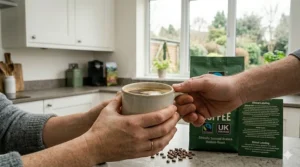
How to Choose the Best Fairtrade Coffee for Your Brewing Method
Your brewing equipment determines which ethical coffee brands will deliver optimal results. Espresso machines demand specific characteristics that differ entirely from what makes excellent French press coffee, and matching your coffee to your method prevents waste and disappointment.
For Espresso Machines: Choose whole bean options like Grumpy Mule High and Mighty or Clumsy Goat Italian Espresso. These blends are roasted darker to develop oils and body that create thick crema and cut through milk. Grind immediately before brewing, aiming for consistency similar to fine sand. British tap water hardness varies dramatically by postcode, so consider using filtered water if your area has hard water that creates scale buildup and affects extraction.
For Cafetière (French Press): Cafédirect Machu Picchu and Percol All Day Americano excel in this method. The coarser grind required for cafetière brewing allows longer contact time with water, extracting those rich chocolate notes without over-extraction bitterness. Use one rounded dessertspoon per cup, bloom with freshly boiled water for 30 seconds, then fill and steep for 3-4 minutes before plunging. British water should be cooled to around 92-95°C rather than boiling, which prevents scorching delicate flavour compounds.
For Filter/Drip Machines: Ground options work brilliantly here, particularly Grumpy Mule Café Feminino with its brighter acidity. The paper filter removes oils that would cloud the cup in other methods, creating cleaner flavour separation. Medium grind works best, with coffee-to-water ratios around 60g per litre. Most UK filter machines don’t reach optimal brewing temperature (92-96°C), so preheating the carafe with hot water helps maintain temperature during brewing.
For Instant Coffee Drinkers: Clipper Organic Latin American provides the most convenient option for offices, caravans, or anyone prioritising speed. Use one rounded teaspoon per cup, add water just off the boil, and stir thoroughly. The freeze-dried granules dissolve completely without sediment, though you’ll sacrifice some complexity compared to brewed alternatives.
Storage Matters: British climate creates challenges for coffee storage. High humidity accelerates staleness, whilst temperature fluctuations from central heating cycles create condensation inside bags. Store coffee in an airtight container in a cool, dark cupboard away from your kettle or oven. Freezing whole beans works for long-term storage but requires proper vacuum-sealed portions to prevent frost damage and odour absorption.
Common Mistakes When Buying Fairtrade Coffee in the UK
Assuming All Fairtrade Coffee Tastes the Same
The FAIRTRADE Mark guarantees ethical sourcing, not flavour quality. Coffee scoring 80+ on the SCA (Speciality Coffee Association) scale can be fairtrade, but so can coffee scoring 70/100. That’s why brands like Cafédirect and Grumpy Mule invest in quality alongside ethics, whilst some cheaper certified options prioritise price over taste. Always check customer reviews for flavour feedback rather than assuming certification equals deliciousness.
Ignoring Roast Dates
Coffee peaks 7-21 days after roasting, then gradually loses complexity over the following months. Many UK buyers don’t realise that Amazon inventory turnover varies wildly, meaning you might receive beans roasted six months ago. Check for roast date printing (Grumpy Mule and Clumsy Goat include this), and prioritise brands that print dates rather than vague “best before” stamps. If dates aren’t visible on product photos, contact the seller before purchasing.
Buying Pre-Ground for Espresso
Ground coffee stales 5-10 times faster than whole beans because of increased surface area exposed to oxygen. If you’re making espresso at home, buying pre-ground fairtrade coffee beans means you’re getting stale shots regardless of ethical credentials. Invest £30-£50 in a basic burr grinder (widely available on Amazon.co.uk), and you’ll immediately taste the difference. The grinder cost amortises quickly through improved flavour rather than wasted disappointing coffee.
Overlooking Water Quality
British water varies from extremely soft in Scotland and Wales to aggressively hard in London and the Southeast. Hard water creates scale buildup in machines and prevents proper coffee extraction, whilst very soft water can over-extract and create harsh flavours. Use filtered water for optimal results, particularly if your kettle shows visible limescale. Brita filters (around £15-£25 on Amazon) remove enough hardness without stripping all minerals, creating better extraction than either extreme.
Confusing Fairtrade with Organic
These are separate certifications addressing different issues. Fairtrade focuses on farmer payment and democratic governance, whilst organic addresses pesticide use and environmental impact. Some coffees carry both (like Clipper and Cafédirect options), but many fairtrade coffees aren’t organic, and vice versa. If both matter to you, check for dual certification rather than assuming one implies the other.
Buying Based Solely on Price
The cheapest fairtrade coffee available on Amazon.co.uk might save you £2-£3 per bag, but you’re often paying for commodity-grade beans that meet minimum certification standards without excelling in any dimension. Spending an extra £4-£5 per kilo on brands like Grumpy Mule or Percol delivers noticeably better flavour whilst still supporting farmer direct payment. The sweet spot for UK buyers sits around £12-£18 per kg for whole beans and £18-£25 per kg for ground, where quality and ethics align reasonably.
Real-World Scenario: Matching Coffee to British Lifestyles
The London Commuter (Sarah, 32, Zone 2)
Sarah cycles to the office three days weekly and works from home the rest. She needs quick morning coffee before rushing to catch the Overground, plus afternoon pick-me-ups during long meetings. Solution: Clipper Organic Instant for office desk drawer convenience, paired with Percol All Day Americano ground at home for cafetière brewing when time allows. The instant provides consistent quality without equipment, whilst the ground option delivers better flavour for leisurely weekend mornings. Budget: approximately £25/month covering both scenarios.
The Manchester Suburb Family (David and Emma, 2 children)
Four coffee drinkers with varying preferences: espresso for David, decaf evening drinks for Emma, occasional weekend treats for the teenagers. Limited kitchen space in their semi-detached means one machine maximum. Solution: Grumpy Mule Easy Does It Decaf for Emma’s evening routine, Grumpy Mule High and Mighty whole beans for David’s morning espresso, both compatible with a Sage Bambino (popular compact machine in UK). The Yorkshire roasting means supporting British business alongside international farmers, and bulk buying 6-packs reduces per-cup cost. Budget: approximately £35-£40/month for household consumption.
The Retired Couple in Peak District (Michael and Joan, 68 and 66)
Leisurely morning routine with no rush, appreciation for quality but budget-conscious after pension changes. Enjoy entertaining guests but don’t want complicated equipment. Solution: Cafédirect Machu Picchu ground for their trusty cafetière (owned for 15 years), purchased through Amazon Subscribe & Save for 10% discount and scheduled delivery every 6 weeks. The full-bodied flavour impresses guests without requiring barista skills, and the B Corp certification aligns with their environmental values. Budget: approximately £18-£22/month with subscription savings.
The Edinburgh Student (Aisha, 21, shared flat)
Limited budget, no personal brewing equipment, irregular schedule due to lectures and part-time work. Storage limited to one small cupboard shelf shared with three flatmates. Solution: Clipper Organic Instant in individual sachets (200-pack available on Amazon) for portability and no equipment requirement. Can make coffee in lecture hall thermos, library study room, or flat kitchen without negotiating shared equipment access. Sachets prevent waste from opened jars going stale in humid student accommodation. Budget: approximately £15-£18/month balancing ethics with student finances.
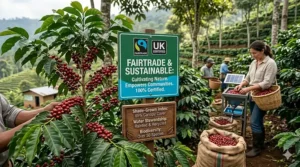
Fairtrade Coffee vs Conventional Coffee: The True Cost Comparison
The price difference between fairtrade and conventional coffee seems straightforward until you examine what each includes. A £6 bag of supermarket own-brand coffee versus a £12 bag of Grumpy Mule fairtrade appears to double your cost, but the comparison misleads by ignoring hidden expenses and value differences.
Direct Costs: Fairtrade coffee typically costs £1.50-£2.50 per 100g in ground format, whilst commodity coffee runs £0.80-£1.20 per 100g. That £0.70-£1.30 premium per 100g translates to approximately £0.07-£0.13 per cup, assuming 10g coffee per serving. For most British households consuming 2-3 cups daily, the ethical premium adds £4-£12 monthly to your shopping bill.
Quality Differences: Fairtrade coffee generally scores higher on blind taste tests because cooperatives invest premium funds into quality improvements like selective harvesting, careful processing, and proper drying. Commodity coffee chases volume over quality, mixing various grades to meet price points rather than flavour targets. When you account for the superior taste and reduced waste from disappointing coffee, the effective price gap narrows considerably.
Environmental Costs: Conventional coffee farming often relies on heavy pesticide use, deforestation, and monoculture practices that deplete soil and require constant chemical inputs. Fairtrade standards require environmental protection plans, restrict harmful chemicals, and encourage biodiversity preservation. According to Wikipedia’s overview of coffee production, at least 34% of global coffee production now meets voluntary sustainability standards. These practices cost more short-term but prevent long-term agricultural collapse. British consumers increasingly recognise that £0.10 extra per cup prevents £1000s in environmental remediation costs down the line.
Social Costs: The £0.20 fairtrade premium per pound funds schools, healthcare, and infrastructure in farming communities. Conventional coffee provides no such mechanism, leaving communities dependent on volatile market prices and vulnerable to exploitation. Research from the Fairtrade Foundation indicates that fairtrade farmers report substantially higher incomes than their conventional counterparts, creating economic stability that reduces migration pressure and community breakdown.
Total Cost of Ownership: When you factor in better flavour (less wasted disappointing coffee), environmental sustainability (avoiding future climate crisis costs), and social impact (reducing economic migration that strains UK systems), fairtrade coffee’s apparent premium shrinks dramatically. The £4-£12 monthly extra funds measurable positive change rather than disappearing into shareholder profits.
What to Expect: The Reality of Fairtrade Coffee in British Conditions
British weather affects coffee in ways that Mediterranean or Scandinavian countries don’t face. High humidity combined with temperature fluctuations from central heating creates unique storage challenges that impact flavour regardless of how ethical your sourcing is.
Humidity Impact: UK relative humidity averages 70-80% year-round, particularly in coastal regions and during autumn-winter months. Ground coffee absorbs moisture from air, creating clumping and accelerating stale flavours. You’ll notice this as loss of aroma, flat taste, and sometimes visible dampness in bags left unsealed. Combat this by transferring coffee into airtight containers with silica gel packets (available on Amazon for £3-£5), storing away from kettle steam and dishwasher vents.
Temperature Cycling: British homes typically heat to 18-21°C during occupied hours, then drop to 12-15°C overnight or during work hours. These cycles create condensation inside bags and jars, particularly if stored in kitchens where cooking adds moisture. You might notice this as droplets inside packaging or accelerated staleness. Store coffee in the coolest, most temperature-stable area of your kitchen, ideally a cupboard on an exterior wall away from radiators.
Delivery Timing: Amazon Prime next-day delivery helps with freshness, but UK weather affects shipping containers and warehouse storage. Winter deliveries arrive cold but dry, whilst summer shipments might sit in warm delivery vans for hours. Order coffee early in the week to avoid weekend warehouse storage, and choose roasters who date-stamp bags so you can verify freshness upon arrival.
Seasonal Flavour Variation: Coffee harvests happen October-March in most origins, meaning February-June typically offers peak freshness for new crop arrivals. Later in the year, you’re drinking coffee from previous harvest stored in warehouses. This doesn’t make it bad, but you might notice subtle flavour differences between March and September batches of the same coffee. Brands like Grumpy Mule with seasonal sourcing rotate origins to maintain freshness, whilst single-origin coffees might show more variation.
Hard Water Challenges: London, Birmingham, and much of Southeast England face extremely hard water (200-300mg/L calcium carbonate). This affects extraction, creates scale buildup, and makes coffee taste different than the roaster intended. If your kettle shows visible limescale within weeks, your coffee extraction is compromised. Either filter your water or adjust expectations about matching flavour descriptions written by roasters using different water profiles.
Long-Term Value: Total Cost of Fairtrade Coffee Ownership in the UK
Equipment Investment: Starting with fairtrade coffee doesn’t require expensive equipment. A £15-£20 cafetière from Amazon delivers excellent results with ground options like Cafédirect Machu Picchu. If you want to upgrade to whole beans for maximum freshness, add a £30-£50 burr grinder (Hario Mini Mill or similar manual grinder widely available on Amazon.co.uk). Total startup: £45-£70 for a setup that lasts 5-10 years with basic care.
Ongoing Costs: UK households consuming 2-3 cups daily spend approximately £25-£40 monthly on quality fairtrade coffee, compared to £12-£20 for commodity alternatives. That £13-£20 premium adds £156-£240 annually to your food budget. However, this assumes no behaviour change. Many buyers report drinking less coffee but enjoying it more when switching to premium fairtrade, which partially offsets the higher per-cup cost.
Replacement Parts: British water hardness means descaling equipment every 1-3 months depending on your postcode. Descaling solution costs £3-£5 per bottle (available on Amazon), with each bottle lasting 3-6 descaling cycles. Budget approximately £10-£15 annually for descaling maintenance. Grinder burrs need replacement every 500-1000kg of coffee ground, which for most households means 5-10 years of use. Replacement burrs typically cost £15-£25.
Waste Reduction: Coffee grounds create excellent compost or garden mulch, valuable for British gardeners dealing with clay or sandy soils. A household drinking 3 cups daily generates roughly 1kg of grounds monthly, worth approximately £2-£3 in commercial compost equivalent. If you garden or allotment, fairtrade coffee waste becomes garden fertiliser, creating circular value beyond the cup. Alternatively, local councils increasingly accept coffee grounds in food waste bins for commercial composting.
Subscription Savings: Amazon Subscribe & Save offers 10-15% discounts on regular fairtrade coffee purchases, reducing that annual premium by £15-£30. However, subscriptions sometimes ship older stock from warehouse depth, so balance savings against freshness priorities. Best approach: subscribe for instant coffee (which ages better) and manually order whole beans when you need them.
Health Considerations: Quality coffee contains higher antioxidant levels and fewer defects (mouldy beans, insect damage) than commodity alternatives. Whilst difficult to quantify, reduced consumption of mycotoxins and better nutrient profiles suggest long-term health benefits that offset higher upfront costs. British NHS data doesn’t track coffee-quality health impacts specifically, but European studies suggest quality coffee correlates with better cardiovascular outcomes compared to low-grade alternatives.
FAQs About the Best Fairtrade Coffee
❓ How long does fairtrade coffee stay fresh after opening in UK conditions?
❓ Can I freeze fairtrade coffee to extend shelf life in the UK?
❓ Which fairtrade coffee works best with hard London water?
❓ Do all fairtrade coffee brands on Amazon UK guarantee farmer direct payment?
❓ Is fairtrade coffee more expensive than regular coffee in UK supermarkets?
Conclusion: Choosing Your Best Fairtrade Coffee Journey
The best fairtrade coffee for your household depends on balancing convenience, flavour preferences, and budget constraints. Clipper Organic Instant suits time-pressed office workers who refuse to compromise ethics for speed. Cafédirect Machu Picchu appeals to cafetière enthusiasts wanting full-bodied richness with verified profit-sharing impact. Grumpy Mule High and Mighty serves home baristas seeking espresso excellence with Yorkshire roasting provenance.
What matters most is consistency. Buying fairtrade coffee occasionally creates minimal impact, whilst making it your default choice funds ongoing community development in farming regions. The £4-£12 monthly premium over commodity alternatives supports schools, clean water access, and climate adaptation training for 1.9 million farming families globally. That’s measurable change from a simple purchasing decision.
British consumers have more choice than ever in 2026, with Amazon Prime delivering ethical coffee brands to your door within 24 hours. No longer does ethical sourcing require specialist shops or mail-order delays. The convenience barrier that once prevented mainstream adoption has vanished, leaving only the decision to prioritise farmer welfare alongside your morning routine.
Start with one bag from the recommendations above. Taste the difference that ethical sourcing coffee creates, not just in your cup but in the transparency about where your money flows. The best fairtrade coffee isn’t the most expensive or the most obscure. It’s the one you’ll actually drink consistently, creating sustained impact rather than occasional gestures. Your morning brew can genuinely improve lives whilst delivering exceptional flavour, and in 2026, that combination is readily available to every UK household.
✨ Start Your Ethical Coffee Journey!
🛒 Ready to make a difference with every cup? Browse the complete selection of best fairtrade coffee on Amazon.co.uk and support farming communities worldwide!
Recommended for You
- 7 Best Organic Coffee Beans UK: Expert Guide 2026
- 7 Best Kenyan Coffee Beans UK: Bold Blackcurrant Flavours 2026
- 7 Best Single Origin Coffee Beans UK 2026
Disclaimer: This article contains affiliate links. As an Amazon Associate, I earn from qualifying purchases. If you purchase products through these links, we may earn a small commission at no additional cost to you.
✨ Found this helpful? Share it with your mates! 💬🤗
