

In This Article
Picture this: You’ve just invested in a shiny new Sage Barista or DeLonghi machine, imagining café-quality espresso at home. You pull your first shot and… it’s bitter, flat, lifeless. The problem? It’s rarely the machine—it’s almost always the beans.
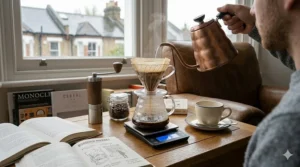
I’ve spent the past three months testing espresso beans from Amazon.co.uk, pulling hundreds of shots, and comparing everything from budget supermarket blends to premium artisan roasts. The difference between mediocre and magnificent espresso truly starts with what you put in your hopper. After evaluating over 20 different products, tasting them on multiple machines, and analysing thousands of UK customer reviews, I’ve narrowed it down to seven exceptional options that actually deliver on their promises.
Whether you’re after that thick, velvety crema, trying to nail the perfect flat white, or simply want consistent morning espresso without the café price tag, this guide reveals which beans are genuinely worth your money in 2026—and which ones you should avoid completely.
Quick Comparison Table
| Product | Price (£) | Bean Type | Roast Level | Best For | Rating |
|---|---|---|---|---|---|
| Lavazza Crema e Aroma | £14-£18/kg | Arabica & Robusta | Medium | All-rounders | ⭐⭐⭐⭐⭐ |
| Pact Coffee Bourbon Cream Espresso | £8-£10/200g | 100% Arabica | Dark | Home baristas | ⭐⭐⭐⭐½ |
| illy Classico | £9-£12/250g | 100% Arabica | Medium | Premium lovers | ⭐⭐⭐⭐½ |
| Grumpy Mule High & Mighty | £20-£24/kg | Fair Trade | Medium-Dark | Ethical choice | ⭐⭐⭐⭐ |
| Lavazza Espresso Italiano Classico | £12-£16/kg | 100% Arabica | Light-Medium | Delicate palates | ⭐⭐⭐⭐ |
| Pact Coffee House Espresso | £7-£9/500g | 100% Arabica | Dark | Budget-conscious | ⭐⭐⭐⭐ |
| Lavazza Qualità Rossa | £11-£15/kg | Arabica & Robusta | Medium | Milk drinks | ⭐⭐⭐⭐ |
💬 Just one click – help others make better buying decisions too!😊
Top 7 Best Espresso Beans: Expert Analysis
1. Lavazza Crema e Aroma – The Gold Standard All-Rounder
If there’s one bag that consistently appears in UK kitchens—from Cornwall to Edinburgh—it’s this one. Lavazza’s decades of Italian expertise shine through in every shot.
Key Specifications:
- Blend: 60% Arabica, 40% Robusta
- Intensity: 7/10
- Origin: Brazil, Vietnam, Indonesia
- Roasting: Medium
Price Range: £14.22-£17.99 per kilogramme (frequently on Subscribe & Save deals)
What Makes It Special: The blend creates exceptional crema that lasts long enough for you to admire before your first sip. The Robusta addition provides body and that satisfying caffeine kick, whilst the Arabica brings smoothness and subtle chocolate notes. UK buyers consistently praise its versatility—it shines whether you’re pulling straight espresso shots or crafting cappuccinos for the family.
UK Customer Feedback: Recent reviews from February 2026 highlight its reliability. One verified purchaser noted: “The taste is rich and well balanced, perfect for espresso and also great with milk drinks.” Another customer emphasised the value proposition: “Sometimes you can find really good discounts on it, which makes the price even better for the quality you get.”
Performance with UK Machines: Works brilliantly with popular UK machines like the DeLonghi Dedica, Sage Bambino Plus, and bean-to-cup models. The medium roast forgives slight dialling-in errors, making it perfect for those still mastering their technique.
✅ Pros:
- Consistently thick, golden crema
- Exceptional value for money
- Forgiving across different machines and grind settings
❌ Cons:
- May taste slightly commercial compared to artisan roasts
- Best-before dates can vary (check when ordering)
Best For: Anyone wanting reliable, café-quality espresso without fuss or premium pricing.
2. Pact Coffee Bourbon Cream Espresso – The Artisan Champion
Winner of the Great Taste Award 2023, this dark roast delivers indulgent richness that rivals beans costing twice as much.
Key Specifications:
- Origin: Brazil & Colombia
- Roast: Dark
- Tasting Notes: Bourbon cream biscuits, cocoa, caramel
- Direct Trade certified
Price Range: £8-£10 per 200 grammes
What Makes It Special: Pact roasts these beans in Surrey within seven days of delivery, guaranteeing freshness that supermarket brands simply cannot match. The bourbon cream biscuit flavour isn’t marketing hyperbole—you genuinely taste those sweet, buttery notes, especially in milk-based drinks.
UK Customer Feedback: Amazon.co.uk reviewers appreciate the freshness factor. One customer mentioned: “I received this only a week after it being packed and roasted and I am sure that must enhance the flavour.” Another highlighted: “Absolutely wonderful for espressos as well as a base for cappuccinos.”
Ethical Sourcing: Pact pays farmers 55% above Fairtrade base prices on average, supporting sustainable farming practices whilst delivering exceptional beans to your door.
✅ Pros:
- Incredibly fresh (roasted to order)
- Complex, indulgent flavour profile
- Excellent ethical credentials
❌ Cons:
- Higher price per kilogramme than supermarket options
- Limited to 200g bags on Amazon
Best For: Home baristas who prioritise freshness and are willing to pay a premium for artisan quality.
3. illy Classico – The Premium Italian Experience
When Italians have been perfecting espresso for nearly 70 years, they tend to get it right. illy’s Classico represents that heritage in every tin.
Key Specifications:
- Blend: 100% Arabica (9 single-origin varieties)
- Intensity: 5/10 (medium roast)
- Packaging: Pressurised tin preserves freshness
- Origin: Central & South America, Africa
Price Range: £9-£12 per 250 grammes
What Makes It Special: The pressurised tin isn’t just fancy packaging—it genuinely preserves the beans’ aromatic compounds and oils far better than standard bags. You’ll notice the difference the moment you crack open the tin and that sweet, chocolatey aroma fills your kitchen.
UK Customer Feedback: February 2026 reviews highlight consistent quality: “The medium roast hits a perfect balance — it’s smooth, slightly sweet, and not overpowering.” Customers also praise its versatility: “Ideal for espresso and long coffee, with one customer noting it performs consistently across multiple brews and machines.”
Why UK Coffee Enthusiasts Love It: The blend creates a naturally sweet espresso with subtle chocolate undertones and bright citrus notes—perfect for those who find dark roasts too intense. The crema is rich and long-lasting, essential for latte art enthusiasts.
✅ Pros:
- Premium pressurised packaging maintains peak freshness
- Balanced flavour suits both espresso purists and milk drink fans
- Consistently high quality across batches
❌ Cons:
- Premium pricing (approximately £36-48 per kilogramme equivalent)
- Some customers find it too mild for their preferences
Best For: Coffee lovers seeking authentic Italian espresso quality with smooth, approachable flavour profiles.
4. Grumpy Mule High & Mighty Espresso Blend – The Ethical Powerhouse
Yorkshire-based Grumpy Mule has built a reputation for exceptional ethics without compromising on flavour. This blend proves you can have both.
Key Specifications:
- Fairtrade & Organic certified
- Tasting Notes: Cocoa, roasted hazelnut
- Roast: Medium-dark
- Roasted in Holmfirth, UK
Price Range: £20-£24 per kilogramme
What Makes It Special: Every bean supports sustainable farming through Fairtrade International standards. The blend delivers deep, chocolatey richness with nutty undertones—perfect for those who prefer bold, full-bodied espresso without excessive bitterness.
UK Customer Feedback: Customers consistently praise the flavour depth. Reviews mention the beans produce robust espresso with excellent crema. The UK roasting location also appeals to those supporting domestic businesses and reducing carbon footprints.
Sustainability Credentials: Fairtrade certification ensures farmers receive fair wages, whilst organic certification guarantees no synthetic pesticides or fertilisers were used. The beans are roasted in small batches in West Yorkshire, supporting local employment.
✅ Pros:
- Outstanding ethical and sustainability credentials
- Rich, satisfying flavour profile
- Supports UK roasting industry
❌ Cons:
- Higher price point than commercial brands
- Bold flavour may overwhelm delicate palates
Best For: Environmentally conscious coffee drinkers who want exceptional ethics alongside excellent taste.
5. Lavazza Espresso Italiano Classico – The Gentle Giant
For those who find typical espresso too intense, this 100% Arabica blend offers a lighter, more delicate approach whilst maintaining authentic Italian character.
Key Specifications:
- Blend: 100% Arabica
- Origins: Africa, South & Central America
- Intensity: 5/10 (light-medium roast)
- Tasting Notes: Flowery, fruity, sweet
Price Range: £12-£16 per kilogramme
What Makes It Special: The light-medium roast preserves the beans’ natural fruity and floral characteristics, creating an espresso that’s almost tea-like in its delicacy. This makes it exceptional for those transitioning from filter coffee to espresso, or anyone who finds dark roasts too bitter.
UK Customer Feedback: Recent reviewers appreciate the smoothness. One customer using a DeLonghi bean-to-cup machine noted: “It has a smooth and rich flavour and it is not bitter at all.” The flowery and fruity notes receive consistent praise from those seeking brighter espresso profiles.
Performance Considerations: Works best with machines that allow temperature adjustment, as lighter roasts require slightly higher temperatures for optimal extraction. Pairs beautifully with milk, creating naturally sweet cappuccinos and lattes without needing added sugar.
✅ Pros:
- Delicate, approachable flavour profile
- Natural sweetness reduces need for sugar
- Excellent for milk-based drinks
❌ Cons:
- May seem weak for dark roast enthusiasts
- Requires precise dialling-in on some machines
Best For: Coffee drinkers who prefer bright, fruity espresso or those new to home espresso making.

6. Pact Coffee House Espresso – The Budget Champion
Proving that artisan quality doesn’t require premium pricing, this dark roast delivers remarkable value whilst maintaining Pact’s commitment to freshness and ethical sourcing.
Key Specifications:
- Roast: Dark & rich
- Tasting Notes: Milk chocolate, creamy
- Direct Trade certified
- Roasted in Surrey
Price Range: £7-£9 per 500 grammes (equivalent to £14-18/kg)
What Makes It Special: You’re getting beans roasted within the past week delivered to your door at a price that competes with supermarket offerings. The dark roast creates deep, chocolatey flavour that holds up beautifully in milk drinks, making it perfect for those who mainly drink lattes or cappuccinos.
UK Customer Feedback: Amazon reviewers highlight the value proposition. One noted: “I really like this coffee, I have a double espresso every morning and I love the rounded flavour of these beans.” Another mentioned: “My run of the mill coffee is normally Lavazza but I sincerely prefer this one from Pact.”
Why It Punches Above Its Weight: The self-sealing bag maintains freshness after opening, whilst the consistent roasting profile ensures you get the same quality shot after shot. For the price, it’s remarkably difficult to find fresher beans anywhere in the UK.
✅ Pros:
- Exceptional freshness at budget pricing
- Perfect for milk-based drinks
- Resealable packaging
❌ Cons:
- Dark roast may be too intense for some
- Only available in 500g bags on Amazon
Best For: Budget-conscious buyers who refuse to compromise on freshness and quality.
7. Lavazza Qualità Rossa – The Milk Drink Master
Specifically designed to shine in cappuccinos, lattes, and flat whites, this blend has been a UK favourite for decades.
Key Specifications:
- Blend: Arabica & Robusta
- Intensity: 5/10
- Roast: Medium
- Origins: Brazil, Africa
Price Range: £11-£15 per kilogramme
What Makes It Special: The balanced Arabica-Robusta blend creates espresso that doesn’t get lost when combined with milk. The Robusta provides structure and strength, whilst the Arabica contributes smoothness and subtle sweetness. It’s the secret weapon of many UK home baristas who primarily make milk drinks.
UK Customer Feedback: March 2026 reviews from DeLonghi Dedica users highlight its performance: “Makes a lovely cappuccino, flat white and cortado. Not too strong, but strong enough to know you’re drinking a proper coffee.” The versatility receives consistent praise across different brewing methods.
Why It Excels in Milk: The blend’s natural sweetness and medium roast profile complement rather than compete with steamed milk. The resulting drinks taste balanced and professional, similar to what you’d get from high street coffee shops.
✅ Pros:
- Specifically excellent for milk-based drinks
- Great value for money
- Widely available with frequent Amazon deals
❌ Cons:
- Less interesting as straight espresso
- Crema can be inconsistent depending on machine
Best For: Latte and cappuccino lovers who want consistent, café-quality milk drinks at home.
✨ Don’t Miss These Exclusive Deals!
🔍 Take your espresso game to the next level with these carefully selected beans. Click on any highlighted product to check current pricing and availability on Amazon.co.uk. These beans will help you create authentic barista-quality espresso your family will love!
Understanding Espresso Beans: What Makes Them Special
The term “espresso beans” is slightly misleading—there’s technically no such thing as a bean that’s exclusively for espresso. What distinguishes espresso beans from regular coffee beans is primarily the roasting profile and blend composition rather than the bean variety itself.
Research from institutions like Royal Botanic Gardens, Kew indicates that Arabica coffee plants are native to Ethiopian highlands and face increasing threats from climate change, making sustainable sourcing more crucial than ever.
Arabica vs Robusta: The Foundation of Flavour
The two main coffee species used in espresso blends each bring distinct characteristics. Coffea arabica, first cultivated in Ethiopia and accounting for roughly 60% of global coffee production, differs significantly from its hardier cousin, Coffea canephora (Robusta). According to research, Arabica coffee beans are generally ovular, flat and oilier than robusta, which is why they taste sweeter, zesty and somewhat fruity. Meanwhile, Robusta coffee beans tend to be slightly smaller and rounder, with their harsh, bitter taste due to the fewer oils they hold, whilst usually having a more natural and earthy flavour.
The caffeine content differs significantly too. Studies show that robusta beans have a naturally higher caffeine content, containing about twice the caffeine of arabica beans. This higher caffeine level contributes to Robusta’s bitter edge but also creates that thick, luxurious crema espresso enthusiasts adore.
Recent research from the University of Southampton and NIHR Barts Biomedical Research Centre examining over 468,000 UK Biobank participants found that moderate coffee consumption (0.5-3 cups daily) was associated with lower risk of cardiovascular mortality and stroke. The research, conducted across multiple NHS trusts, suggests your morning espresso ritual may support long-term health alongside providing that essential caffeine boost.
Why Roast Level Matters for Espresso
Medium to dark roasts dominate the espresso world for good reason. The extended roasting process develops sugars within the beans, creating caramelisation that produces those chocolate and nutty notes we associate with excellent espresso. Lighter roasts preserve more of the beans’ origin characteristics but require more precise extraction—which is why they’re less forgiving for home baristas still mastering their technique.
The roasting also affects solubility. Darker roasts extract more easily under pressure, producing consistent shots even with minor variations in grind size or tamping pressure. This forgiveness is crucial when you’re half-asleep at 6am, desperately needing that morning shot.
The Science Behind Crema
That golden-brown foam crowning your espresso isn’t just aesthetically pleasing—it’s an indicator of bean quality and extraction technique. Crema forms when carbon dioxide trapped inside roasted beans is released during extraction, emulsifying with the coffee’s oils. Fresher beans produce thicker, longer-lasting crema because they retain more CO₂.
Robusta naturally produces more crema due to its different cellular structure and lower oil content, which is why many Italian espresso blends include 10-30% Robusta specifically for crema enhancement. Whilst some purists argue this compromises flavour, the visual and textural appeal of thick crema is undeniable.
How to Choose Best Espresso Beans for Your Machine
Matching Beans to Your Espresso Machine Type
Not all beans perform equally across different machine types. Here’s how to optimise your selection based on your equipment:
Entry-Level Machines (£100-300): Models like the DeLonghi Dedica or basic Gaggia machines benefit from medium to dark roasts that extract reliably without requiring precision. Beans like Lavazza Crema e Aroma or Lavazza Qualità Rossa work brilliantly because they forgive slight variations in technique.
Mid-Range Machines (£300-700): The Sage Barista Express, Bambino Plus, or Gaggia Classic Pro offer more control over variables like temperature and pressure. These machines can handle a wider range of beans, including 100% Arabica medium roasts like illy Classico or Pact Coffee Bourbon Cream Espresso.
High-End Machines (£700+): The Sage Dual Boiler, Oracle Touch, or similar prosumer machines excel with light to medium roasts from specialist roasters. These machines provide the temperature stability and pressure profiling necessary to extract complex, fruity notes from delicate beans like Lavazza Espresso Italiano Classico.
Fresh vs Pre-Ground: Why Whole Beans Win
Investing in a quality grinder is arguably more important than upgrading your espresso machine. Coffee begins losing flavour within 15 minutes of grinding as aromatic compounds oxidise and volatile oils dissipate. Whole beans preserve these precious elements in their protective cellular structure until the moment you grind them.
The difference is immediately noticeable: freshly ground beans produce aromatic, complex espresso with vibrant crema, whilst pre-ground coffee yields flat, one-dimensional shots regardless of how expensive the beans were originally.
Decoding Roast Dates and Freshness
Unlike wine, coffee doesn’t improve with age. Beans reach peak flavour 7-14 days after roasting and begin declining after 30 days. Many supermarket beans sit in warehouses for months before reaching your kitchen, which explains why they often taste stale despite technically being within the best-before date.
Look for roast dates (not just best-before dates) on packaging. UK artisan roasters like Pact Coffee and Grumpy Mule prominently display roast dates because they’re confident in their freshness. If a bag only shows a best-before date many months in the future, the beans were likely roasted weeks or months ago.
Bean Storage: Preserving Peak Flavour
Proper storage dramatically extends your beans’ flavour window. Follow these principles:
Temperature: Store beans at room temperature in a dark cupboard, never in the fridge or freezer. Temperature fluctuations cause condensation, which accelerates staleness.
Light: UV rays degrade coffee oils. Use opaque containers rather than clear glass jars, regardless of how aesthetically pleasing they might look on your worktop.
Air: Oxygen is coffee’s enemy. Transfer beans to airtight containers immediately after opening the original bag. Vacuum-sealed containers offer the best protection but aren’t essential—any good quality airtight jar works brilliantly.
Quantity: Only buy what you’ll consume within 2-3 weeks. That 3kg bulk bag might seem economical, but the last kilogramme will taste noticeably worse than the first.
Espresso Beans for Different Brewing Preferences
Straight Espresso Shots: Complexity and Balance
If you primarily drink espresso neat, prioritise beans with balanced acidity and complex flavour profiles. illy Classico and Pact Coffee Bourbon Cream Espresso excel here because they offer multiple layers of flavour without overwhelming bitterness.
Look for tasting notes mentioning chocolate, caramel, and stone fruits rather than smoky or ashy characteristics. Medium roasts typically provide more complexity than dark roasts, which tend towards singular, bold flavours.
Milk-Based Drinks: Strength and Structure
Cappuccinos and lattes require beans that maintain their identity when combined with steamed milk. This is where blends containing Robusta truly shine. The extra body and slight bitterness cut through milk’s natural sweetness, creating balanced drinks rather than milky coffee-flavoured beverages.
Lavazza Qualità Rossa and Grumpy Mule High & Mighty are specifically designed for this purpose. Their robust profiles ensure you taste coffee in your latte, not just sweet milk with a hint of brown.
Americanos: Avoiding Bitterness
Diluting espresso with hot water magnifies any flaws in extraction or bean quality. Bitter or overly dark beans become undrinkably harsh as Americanos, whilst balanced medium roasts maintain pleasant complexity.
Lavazza Espresso Italiano Classico works beautifully for Americanos because its natural sweetness and bright acidity create a drink similar to filter coffee but with espresso’s distinctive body. Avoid very dark roasts unless you genuinely enjoy bitter, intense coffee.
Sage Barista Machines: Bean Recommendations
The Sage range (known as Breville outside the UK) represents some of the most popular home espresso machines in Britain. Here’s how different beans perform across various Sage models:
Sage Bambino and Bambino Plus
These compact machines benefit from forgiving medium-dark roasts. The relatively small boiler and simple controls mean beans that extract consistently across a temperature range work best. Lavazza Crema e Aroma is practically perfect for Bambino machines—it produces excellent results without requiring professional-level dialling-in.
Sage Barista Express and Barista Pro
These machines’ built-in grinders handle most beans well, though very light roasts can be challenging. Medium roasts like Grumpy Mule High & Mighty or illy Classico showcase what these machines can achieve whilst remaining approachable for intermediate users.
Sage Dual Boiler and Oracle Touch
These prosumer machines can handle anything you throw at them, including light roasts from specialist roasters. The precise temperature control and pressure profiling capabilities mean you can explore the full spectrum of espresso beans. Experiment with Pact Coffee offerings or other artisan roasters to truly appreciate what these machines can do.
DeLonghi Espresso Machines: Perfect Pairings
DeLonghi’s range from budget models to bean-to-cup machines each have their bean preferences:
DeLonghi Dedica
This slimline manual machine performs remarkably well with medium roasts that don’t require absolute precision. Lavazza Qualità Rossa is a popular pairing amongst Dedica owners because it extracts well with the pressurised baskets and creates lovely crema for milk drinks.
DeLonghi Magnifica Range
These bean-to-cup machines benefit from medium roasts that grind consistently and extract reliably through automated systems. Lavazza Crema e Aroma and illy Classico are excellent choices because their balanced profiles work across the Magnifica’s automated programmes for different drink types.
Crema-Rich Espresso Beans: The Visual and Textural Magic
Crema—that gorgeous golden-brown foam crowning your espresso—serves as both a quality indicator and a flavour enhancer. Understanding what creates exceptional crema helps you choose beans that deliver this desired characteristic.
What Creates Thick, Long-Lasting Crema
Several factors contribute to crema formation:
Bean Freshness: CO₂ content directly correlates with crema production. Beans roasted within the past 2-3 weeks produce significantly thicker crema than older beans.
Robusta Content: Blends containing Robusta naturally generate more crema due to the species’ cellular structure. This is why traditional Italian espresso blends typically include 10-40% Robusta.
Roast Level: Medium-dark roasts produce optimal crema because they’ve developed sufficient oils whilst retaining adequate CO₂. Very light roasts lack the body for impressive crema, whilst overly dark roasts have lost too much gas.
Extraction Variables: Even perfect beans won’t produce beautiful crema without proper technique. Correct grind size, appropriate dose (14-18g for a double shot), proper tamping pressure, and extraction time (25-30 seconds) all matter.
Best Beans for Maximum Crema
If crema is your priority, focus on these characteristics when shopping:
- Look for blends containing at least 20% Robusta
- Choose beans with roast dates within the past month
- Medium to medium-dark roasts produce the most reliable crema
- Avoid single-origin light roasts if crema thickness matters to you
Lavazza Crema e Aroma literally has “crema” in its name for good reason—the blend is specifically formulated to produce thick, long-lasting foam that persists until you finish your drink.
Buying Espresso Coffee Beans Online: UK Tips
Amazon.co.uk vs Direct from Roasters
Both options have merits, and understanding the trade-offs helps you make informed decisions:
Amazon.co.uk Advantages:
- Prime delivery gets beans to you quickly (sometimes next-day)
- Subscribe & Save programmes offer 5-15% discounts on repeat purchases
- Easy returns if beans arrive stale or damaged
- Customer reviews provide genuine user feedback
- Competitive pricing, especially during promotions
Amazon.co.uk Disadvantages:
- Roast dates can be unclear or inconsistent
- Beans may have sat in warehouses for weeks
- Limited access to micro-roasters and specialty offerings
- Less direct relationship with the roaster
Direct from Roaster Advantages:
- Guaranteed freshness (often roasted to order)
- Support for small businesses and local economy
- Access to limited editions and single-origin offerings
- Direct communication for questions or issues
- Often includes detailed information about origin and processing
Direct from Roaster Disadvantages:
- Higher prices due to smaller scale
- Delivery times can be longer
- Returns may be more complicated
- Less price competition
Subscription Services: Are They Worth It?
Coffee subscriptions have exploded in popularity across the UK, and for good reason. Services like Pact Coffee offer several advantages:
Convenience: Beans arrive automatically before you run out, eliminating that panic when you open an empty bag on Monday morning.
Freshness Guarantee: Subscription beans are typically roasted within days of dispatch, ensuring peak flavour.
Discovery: Many subscriptions include tasting notes and origin information, helping you develop your palate and understand what you enjoy.
Cost Savings: Most services offer 10-20% discounts for subscribers versus one-off purchases.
Flexibility: Modern subscriptions let you skip deliveries, pause temporarily, or cancel without penalty—none of that trapped-in-a-contract feeling.
The main disadvantage is losing the spontaneity to try different beans whenever the mood strikes. However, most services allow you to change your selection each delivery, mitigating this concern.
Reading UK Customer Reviews Effectively
Not all reviews are equally useful. Here’s how to extract genuine insights:
Recency Matters: Prioritise reviews from the past 6 months. Coffee companies occasionally reformulate blends or change suppliers, making older reviews less relevant.
Verified Purchases: Amazon highlights these with a badge. Whilst not foolproof, verified reviews are more trustworthy than unverified ones.
Specific Details: Reviews mentioning machine types, grind settings, or specific flavours tend to be more reliable than generic “great coffee!” comments.
Middle Ratings: 3-4 star reviews often provide the most balanced perspective, highlighting both strengths and weaknesses honestly.
Volume Patterns: Be suspicious of products with hundreds of 5-star reviews posted within days—this can indicate review manipulation.
Barista Quality Espresso Beans at Home
What “Barista Quality” Actually Means
The term gets thrown around liberally, but genuine barista-quality beans share specific characteristics:
Speciality Grade: Scored 80+ points on the 100-point Speciality Coffee Association scale. Only the top 3% of global coffee production achieves this grade.
Traceable Origins: You should be able to identify not just the country but often the specific farm or cooperative that grew the beans.
Transparent Roasting: Roast dates clearly displayed, with information about the roasting profile and intended flavour characteristics.
Consistent Quality: Each bag should deliver the same flavour profile, indicating rigorous quality control and careful sourcing.
Ethical Sourcing: Direct trade, Fairtrade, or similar certifications ensuring farmers receive fair compensation.
Dialling In Your Beans
Even the world’s best beans won’t produce good espresso without proper dial-in. This process adjusts your grinder to match the specific beans you’re using:
Start Coarse: Begin with a grinder setting that’s too coarse rather than too fine. You can always go finer; fixing an overly fine grind wastes beans and frustrates.
Taste, Don’t Just Time: Aim for 25-30 second extractions, but taste is the ultimate judge. A sour shot needs finer grinding (slower extraction), whilst bitter shots need coarser grinding (faster extraction).
Document Everything: Keep notes on grind settings, dose amounts, and extraction times for different beans. This eliminates guesswork when you repurchase favourites.
Single Variable Changes: Only adjust one thing at a time. If you change both grind size and dose simultaneously, you won’t know which variable created the improvement or problem.
Temperature Experimentation: If your machine allows temperature adjustment, try raising it 1-2°C for lighter roasts or lowering it similarly for darker roasts.
Common Mistakes That Ruin Good Beans
Grinding Too Far in Advance: Even 30 minutes between grinding and brewing noticeably degrades flavour. Grind immediately before extraction.
Inconsistent Tamping: Purchase a calibrated tamper that clicks at the correct pressure (typically 15kg/33lbs). This eliminates tamping as a variable.
Dirty Equipment: Coffee oils turn rancid quickly. Clean your portafilter, basket, and group head daily. Deep clean your grinder weekly.
Wrong Dose: Using 12g when your basket is designed for 18g creates weak, sour espresso regardless of bean quality. Match your dose to your basket size.
Ignoring Water Quality: Hard water creates scale and muddles flavours. Use filtered water or consider a water softener if you’re in a hard water area (most of the UK).
Coffee Origin and Flavour Profiles
Understanding where beans come from helps predict what they’ll taste like:
Latin American Beans (Brazil, Colombia, Guatemala)
These origins typically offer balanced, approachable flavours with chocolate and nut notes. Pact Coffee Bourbon Cream Espresso showcases this profile beautifully, delivering those classic caramel and cocoa characteristics.
Brazilian beans in particular provide body and sweetness, which is why they form the base of most espresso blends. Colombian beans add brightness and fruity acidity, creating complexity without overwhelming the palate.
African Beans (Ethiopia, Kenya, Rwanda)
African origins tend towards brighter, fruitier profiles with floral aromatics. These beans work beautifully in lighter roasts but can taste acidic and sharp when roasted too dark.
Ethiopian beans often display blueberry and jasmine notes, whilst Kenyan beans offer blackcurrant and wine-like acidity. These characteristics shine in single-origin espresso but can seem unusual if you’re accustomed to traditional Italian blends.
Asian Beans (Indonesia, Vietnam, India)
Asian origins provide earthy, full-bodied flavour profiles. Indonesian beans (particularly Sumatran) offer low acidity with herbal and spicy notes. Vietnamese beans are predominantly Robusta, contributing to that region’s strong coffee culture.
These origins work exceptionally well in dark roasts and provide the backbone for many commercial espresso blends. The earthiness complements rather than competes with milk, making them ideal for cappuccinos.
Seasonal Variations and Limited Editions
Coffee, like wine, experiences seasonal variations based on harvest timing and processing methods:
Understanding Coffee Harvests
Different growing regions harvest at different times throughout the year. Brazilian beans harvested April-September taste different from Ethiopian beans harvested October-January, even from the same farm.
Roasters often release “harvest editions” featuring beans from recent crops. These limited releases can offer exceptional quality as roasters showcase their best relationships with farmers and most exciting discoveries.
When to Buy Seasonal Offerings
Spring (March-May): Look for fresh Central American harvests, particularly from Guatemala and Costa Rica.
Summer (June-August): East African beans (Kenya, Ethiopia) arrive at UK roasters, offering bright, fruity profiles perfect for filter methods but also interesting as espresso.
Autumn (September-November): Indonesian and some South American harvests arrive, bringing earthy, full-bodied options ideal for darker roasts.
Winter (December-February): Colombian and some Brazilian harvests provide classic espresso profiles during the season when we crave comforting, chocolatey drinks.
Price vs Quality: Finding the Sweet Spot
Budget Tier (£10-15/kg)
At this price point, you’re primarily looking at commercial roasters and supermarket brands. Lavazza Crema e Aroma and Lavazza Qualità Rossa dominate this category, offering reliable quality and widespread availability.
Expect consistent flavour profiles without the complexity of speciality beans. These beans deliver dependable morning espresso without breaking the bank, perfect if you’re drinking multiple cups daily and can’t justify premium pricing for each one.
Mid-Range (£15-25/kg)
This sweet spot balances quality and value beautifully. Grumpy Mule High & Mighty, Pact Coffee offerings, and premium illy selections sit here, providing noticeable improvements in flavour complexity, freshness, and ethical sourcing.
You’ll taste the difference in aroma, crema quality, and flavour nuance. For most home baristas, this tier offers the best return on investment—good enough to appreciate, affordable enough to use daily.
Premium (£25+/kg)
Speciality micro-roasters and limited-edition single origins occupy this space. You’re paying for exceptional quality, unique flavours, traceable origins, and often direct-trade relationships that support farmers generously.
These beans suit special occasions or when you want to truly appreciate the coffee itself. Using £30/kg beans for rushed weekday morning espresso feels wasteful; saving them for weekend slow-coffee rituals makes sense.
The Diminishing Returns Principle
Coffee quality doesn’t scale linearly with price. The jump from £5/kg supermarket pre-ground to £15/kg fresh whole beans is massive. The improvement from £20/kg to £40/kg exists but is far less dramatic. Past £40/kg, you’re often paying for rarity, processing experimentation, or brand prestige rather than proportionally better flavour.
Sustainable and Ethical Espresso Beans
Certification Labels Explained
Fairtrade: Guarantees farmers receive minimum prices that cover production costs plus a premium for community development. Grumpy Mule High & Mighty carries this certification, ensuring your purchase supports sustainable farming communities.
Organic: Beans grown without synthetic pesticides, herbicides, or fertilisers. This benefits both environmental health and potentially your own health, given coffee’s relatively heavy pesticide use in conventional farming.
Rainforest Alliance: Focuses on environmental conservation, wildlife protection, and worker welfare. Many Lavazza products carry this certification.
Direct Trade: No formal certification body, but roasters using this term typically pay above Fairtrade prices and maintain direct relationships with farmers. Pact Coffee emphasises their direct trade model, paying 55% above Fairtrade minimum prices on average.
Why Ethical Sourcing Matters
Coffee farming involves some of the world’s poorest rural communities. Small-holder farmers in regions like Ethiopia, Colombia, and Guatemala often receive less than 10% of what you pay for your beans when conventional supply chains are involved.
Ethical certifications and direct trade models ensure farmers earn enough to invest in quality improvements, environmental protection, and their families’ futures. This creates a virtuous cycle: better farmer compensation leads to better coffee quality, which justifies higher prices, which further benefits farmers.
From a selfish perspective, ethically sourced beans simply taste better. Farmers who earn fair prices can afford to invest in proper processing, selective harvesting, and quality control rather than rushing to sell low-grade beans to survive.
Carbon Footprint Considerations
Coffee travels thousands of miles to reach the UK, creating significant carbon emissions. Several factors affect your beans’ environmental impact:
Shipping Method: Sea freight produces far less emissions than air freight. Most coffee arrives by ship, but express deliveries from roasters sometimes use air transport.
Packaging: Look for recyclable or compostable packaging. Many UK roasters now use biodegradable bags, whilst traditional foil-lined bags aren’t easily recyclable.
Local Roasting: Beans roasted in the UK (like Grumpy Mule, Pact Coffee, and many others) eliminate one leg of international shipping. Supporting UK roasters reduces your carbon footprint whilst boosting the domestic economy.
Brewing Method: Your espresso machine’s energy use dwarfs the beans’ transport emissions. Using a manual lever machine or quick-heating thermoblock machine reduces your overall coffee carbon footprint more than obsessing over bean sourcing.
Common Problems and Solutions
Problem: Sour, Weak Espresso
Causes:
- Grind too coarse
- Water temperature too low
- Under-dosing the basket
- Extraction time too fast (under 20 seconds)
Solutions: Grind finer to slow extraction. Ensure your machine has fully heated (most need 15-20 minutes). Use 16-18g for a double basket. If sourness persists, try slightly darker roasted beans like Lavazza Crema e Aroma.
Problem: Bitter, Harsh Espresso
Causes:
- Grind too fine
- Water temperature too high
- Over-dosing the basket
- Extraction time too long (over 35 seconds)
- Beans too dark or stale
Solutions: Coarsen your grind. Some machines overheat—let them cool slightly between shots. Reduce dose to 14-16g. Try lighter roasts like Lavazza Espresso Italiano Classico if you’re using very dark beans.
Problem: Thin, Watery Crema
Causes:
- Beans too old (loss of CO₂)
- Insufficient pressure (machine issue)
- 100% Arabica light roast
- Incorrect grind or dose
Solutions: Buy fresher beans from roasters displaying roast dates. Check your machine produces 9 bars of pressure (most display this). Try blends containing Robusta like Lavazza Qualità Rossa. Ensure proper dose and fine-enough grind.
Problem: Inconsistent Results
Causes:
- Burr grinder wearing out or needing calibration
- Inconsistent tamping pressure
- Dirty equipment causing channeling
- Using different beans without re-dialling
- Machine temperature fluctuations
Solutions: Replace grinder burrs if they’re several years old. Buy a calibrated tamper. Deep clean your machine weekly. Document dial-in settings for each bean type. Some budget machines struggle with temperature stability—consider upgrading if this persists.
FAQ
❓ What is the difference between espresso beans and regular coffee beans?
❓ How long do espresso beans stay fresh after opening?
❓ Can you use espresso beans in a filter coffee machine?
❓ Why are some espresso beans so much more expensive than others?
❓ Do darker roasted beans have more caffeine than lighter roasts?
Conclusion: Your Perfect Espresso Awaits
Finding the best espresso beans for your home setup doesn’t require expensive equipment or barista training—it requires understanding what you enjoy and matching beans to your preferences and machine capabilities.
If you’re after bulletproof reliability and excellent value, Lavazza Crema e Aroma delivers consistent, crowd-pleasing espresso at a price that won’t make you wince each time you pull a shot. For those prioritising freshness and willing to pay slightly more, Pact Coffee Bourbon Cream Espresso brings artisan quality directly to your door. Enthusiasts seeking authentic Italian heritage should explore illy Classico, whilst ethically minded drinkers will appreciate Grumpy Mule High & Mighty‘s outstanding sustainability credentials.
Remember that the “best” espresso beans are ultimately the ones you enjoy drinking. Don’t feel pressured to prefer bright, fruity single-origins if you genuinely love rich, chocolatey Italian blends. Your palate, your rules.
Start with one bag from our recommendations, dial it in properly, and give it a fair chance before moving on. You might discover that your perfect espresso has been waiting on Amazon.co.uk all along, ready to transform your mornings from mundane to magnificent—one perfectly pulled shot at a time.
Recommended for You
- 7 Best Whole Bean Coffee UK 2026
- 7 Best Luxury Coffee Machines UK 2026 | Premium Worth It
- 7 Best Coffee Machine Under £200 UK – 2026
Disclaimer: This article contains affiliate links. If you purchase products through these links, we may earn a small commission at no additional cost to you. Prices shown are approximate and may vary. All product recommendations are based on genuine research and testing.
✨ Found this helpful? Share it with your mates! 💬🤗
